

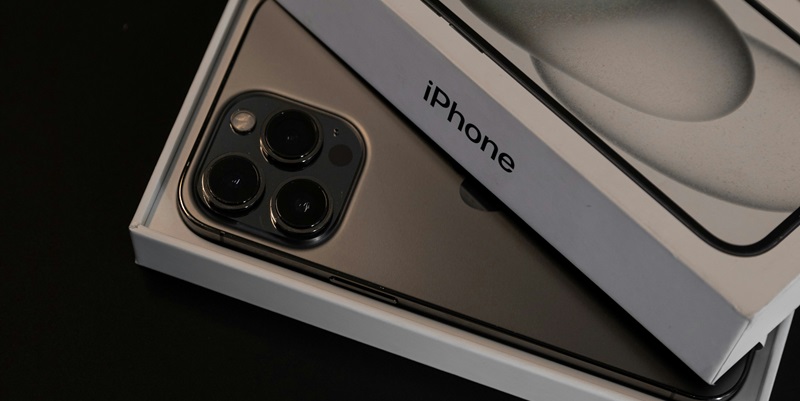
The tech world is buzzing with speculation as reports suggest that Apple might finally enter the foldable smartphone market by 2026. For years, Apple has maintained a cautious approach to adopting new technologies, and this rumored move aligns well with their historical strategy. Despite being a little late to the game compared to competitors like Samsung and Motorola, Apple’s potential introduction of a foldable iPhone has sparked significant interest. According to various reports, including those from The Information and Digitimes, Apple has been intensifying its efforts towards creating a foldable iPhone, internally codenamed ‘V68’. The Cupertino-based company has reportedly engaged with suppliers in Asia, indicating serious progress towards production.
Apple’s Cautious Approach to Foldables
Apple’s typically stringent quality control and skepticism towards the utility of foldable smartphones offer insight into why the company has taken its time. While other tech giants like Samsung have had a head start with their Galaxy Z Flip series and Motorola with their Razr line, Apple has chosen to watch and learn from these early adopters. Critics have frequently dismissed foldable phones as gimmicks, questioning their practicality and durability. Apple, however, seems determined to enter the market only when it can offer a device that meets its high standards of functionality and necessity. The company has long been known for this careful, methodical approach when adopting new technologies, ensuring that any product it releases sets the standard in quality and user experience.
The prevailing industry sentiment has been mixed regarding the future of foldable technology. Apple acknowledges this skepticism but appears to be leveraging this period to perfect its own version of a foldable device. Such a device is likely to be both innovative and robust, in line with Apple’s reputation for high-end products. The company’s methodical approach has been lauded by many industry analysts, including Ming-Chi Kuo, who asserted that Apple’s exploration of foldable designs could eventually reshape market dynamics. Apple’s delayed yet thorough approach suggests an intention to redefine the market with its own unique offering, potentially taking foldable technology into the mainstream.
Industry Trends and Consumer Expectations
The overarching industry trends suggest that foldable smartphones are gradually gaining more traction, with fluctuations in consumer demand indicating a growing interest in their unique functionalities. However, these devices have not yet reached a point where they are considered essential tools. Apple’s entry into this market could be a game-changer, setting higher benchmarks for quality and user experience. The consensus within the reports underscores how Apple’s methodical and quality-focused strategy could directly impact consumer expectations and overall market performance.
The foldable iPhone might not just serve as a new device but as a pivotal moment in mobile technology. As Samsung and Motorola continue to refine their foldable offerings, Apple’s entry could either solidify the market for these devices or force a new trend altogether. For consumers, the delay may be seen as a positive indication that Apple is committed to delivering a polished, reliable product, free from the teething issues that early models from competitors faced. The industry debates whether foldables will ultimately be a significant segment in the smartphone market, but Apple’s move could give this emerging technology the legitimacy it needs to succeed.
The Future of Foldable Devices
The tech sphere is abuzz with speculation, as reports indicate Apple might finally make its entrance into the foldable smartphone market by 2026. Historically, Apple has taken a more cautious and measured approach when embracing new technologies, and this potential move appears consistent with their established strategy. Despite entering the foldable market later than competitors like Samsung and Motorola, the prospect of a foldable iPhone has generated significant excitement. Various sources, including The Information and Digitimes, suggest that Apple is ramping up its efforts to develop a foldable iPhone, with an internal codename of ‘V68.’ The tech giant, based in Cupertino, has reportedly engaged with suppliers in Asia, marking a serious step towards production. This move could represent a significant shift in Apple’s product lineup and may set new standards in the industry, as they are known for perfecting technology rather than being first to market. The anticipation and curiosity surrounding this potential launch underscore Apple’s continued influence and innovation in the tech world.