

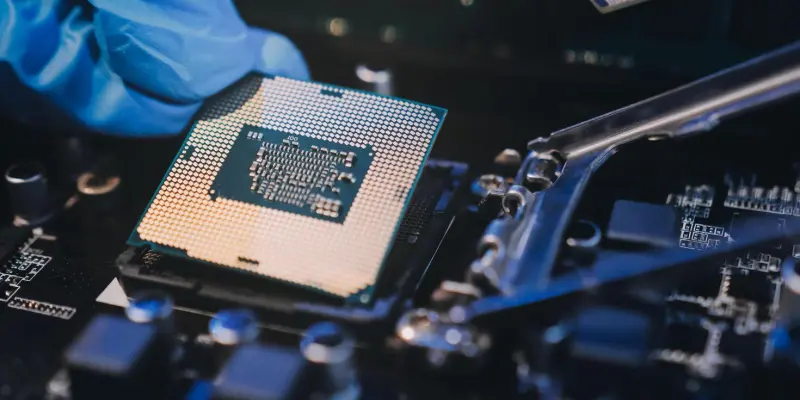
The high-end desktop (HEDT) market is poised for a shift with AMD’s imminent release of the Threadripper 9000 series CPUs, a move that may solidify its lead in performance computing. The series, anticipated to feature a Zen 5 design, will boast up to 96 cores and handle 192 threads, potentially transforming how desktop power users and professionals manage computational workloads. AMD aims to bridge the territory between the mainstream Ryzen and Epyc server-grade processors, offering a versatile solution for users requiring beyond-average technological prowess. Historically, AMD has outpaced its main competitor, Intel, particularly in the HEDT sector, and the new series looks to maintain this dominance with its unprecedented core count and architectural improvements.
The Advancements of the Threadripper 9000 Series
One of the standout features of the upcoming Threadripper 9000 series is the promised integration of the Zen 5 architecture. Expected to showcase a drastic increase in core count and thread handling capability, this series could redefine expectations for desktop computing. The Asus Pro WS TRX50 SAGE motherboard will support these CPUs, driving compatibility with advanced features such as up to a terabyte of R-DIMM DDR5 memory and three PCIe 5 x16 slots, designed to cater to the diverse needs of high-performing professionals and creators. Anticipated models, potentially including the 96-core/192-thread 995WX Pro, the 64-core/128-thread 9985WX Pro, and a 32-core 9975WX, underline AMD’s commitment to offering a range of options suited to varying performance requirements. Even with the confirmed current shipping manifests showing only 32 and 24-core models initially, AMD’s stance in terms of HEDT capability and processor variety remains formidable.
Market Impact and Future Considerations
AMD’s strides in the HEDT market with the Threadripper 9000 series represent not just a technical leap but also a strategic placement against the backdrop of a competitive field. Improving on previous generations without escalating thermal design power (TDP), these new CPUs are set to offer improved clock speeds, hinting at significant power efficiency and performance gains. This marks not only a milestone for AMD but also sets the tone for future processor developments. By officially unveiling this innovative lineup at Computex 2025, AMD has positioned itself as an undeniable leader within the high-performance computing world. Meanwhile, anticipation builds around how this release will influence other tech giants and spark further advancements in desktop processing technology. For now, AMD’s progression continues to attract attention, and as technological demands grow, the ability and versatility of the Threadripper 9000 series are poised to shape future industry standards.