

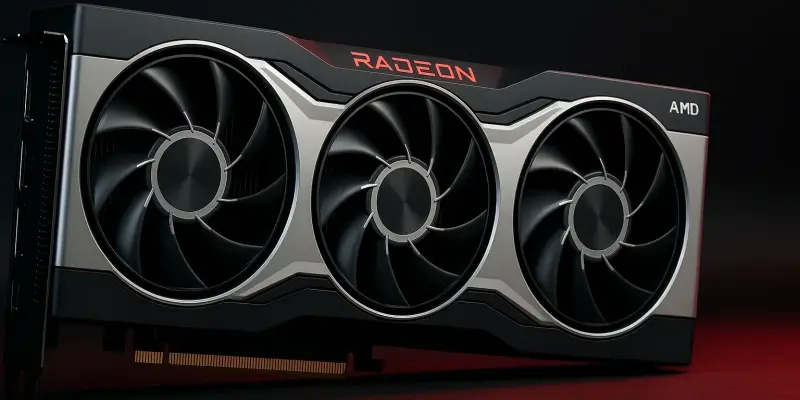
Graphics cards from AMD had enthusiasts abuzz with anticipation as the upcoming launch of the Radeon RX 9060 XT series approached, unveiling potential pricing concerns. A recent sign of these worries emerged when a retailer in California, Central Computers, disclosed prices for the ASRock models before the official announcement, significantly shaking predicted launch expectations. The listing included a variety of options: the 8 GB RX 9060 XT at $319 and two 16 GB versions priced between $369 and $389. These figures stand in contrast to AMD’s suggested retail prices of $299 and $349 for the base models, raising questions about what customers might ultimately pay. The Challenger series models carry dual-fan designs, while the Steel Legend features a triple-fan setup with RGB lighting, adding to the overall appeal and possibly justifying a price premium. Factory-overclocked specifications may contribute to the increased costs, suggesting that prices might exceed official recommendations.
Emerging Price Trends
Market volatility and consumer demand often affect hardware pricing, making it difficult to predict final figures at launch. Graphics cards like the RX 9060 XT series seldom stay at their MSRP due to these market conditions. Despite official pricing being announced, street prices can be subject to significant fluctuations, turning what was once an anticipated purchase into a hefty financial commitment. These adjustments are common in the industry, with past releases from both AMD and NVIDIA exhibiting similar trends. As customers prepare for the release, there’s a growing concern that actual prices might be higher than expected, especially for the pricier 16 GB version. Retailers may capitalize on early enthusiast interest by setting initial prices that exceed anticipated values, further complicating the purchasing decisions for tech aficionados eager to upgrade their systems.
Considerations for Enthusiasts
When considering the history of graphics card pricing, it’s clear that prices often exceed manufacturers’ suggested retail prices. Buyers looking to purchase a graphics card should be prepared for potential cost increases. Features like factory-overclocking and upgraded cooling systems, while desirable, contribute to these higher prices. If confronted with a financial shock due to unexpectedly steep prices, consumers might have to reassess their purchase plans based on their budget and the performance they aim to achieve. It’s crucial to evaluate whether advanced features justify the investment. Looking forward, buyers should stay informed about pricing from authorized dealers to make wise acquisitions without compromising on desired specs. With the AMD Radeon RX 9060 XT entering the market, obtaining these GPUs at anticipated prices could prove difficult. This situation calls for a broader assessment of launch tactics and pricing strategies within the industry. Navigating potential price disparities showcases the need for strategic planning, patience, and thoughtful purchasing to acquire the right hardware at a fair price amid rapid tech advancements.