

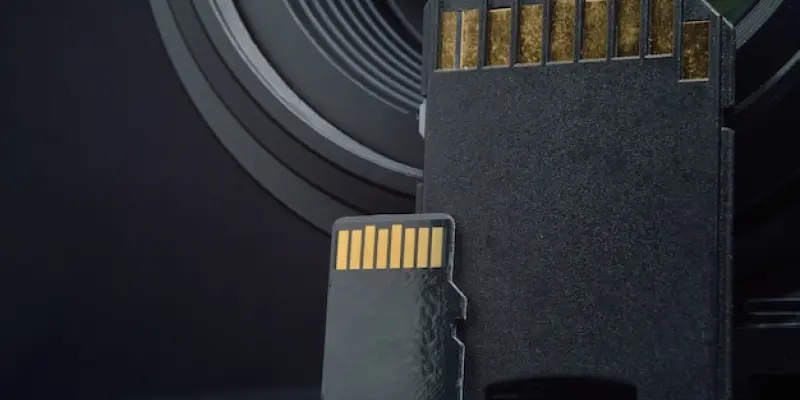
In an era where the gaming industry continuously strives for advanced technology and faster performance, Adata has made significant strides with its latest innovation – the SD Express 8.0 cards. Adata’s new memory cards represent a massive leap in data transfer speeds, doubling the performance of existing microSD cards. With read speeds of up to 1.6 GB/s and write speeds of up to 1.2 GB/s, these SD Express cards provide impressive performance that could potentially redefine the gaming experience. This introduction comes at a time when the demand for faster memory cards is at an all-time high, largely driven by the highly anticipated release of the Nintendo Switch 2.
Enhancing Gaming Performance
The significance of this enhanced speed cannot be overstated in the gaming world. Faster read and write speeds directly translate to reduced load times and improved game performance, which are critical factors for gamers. The upcoming Nintendo Switch 2, featuring faster load times for games, is anticipated to utilize these new microSD Express cards to their full potential. Demonstrations have shown that titles like The Legend of Zelda can load new areas twice as fast, making gameplay smoother and more immersive. Additionally, the potential for quicker updates and downloads further enhances the user experience, providing gamers with more time to engage in gameplay rather than waiting for content to load. Currently, other manufacturers like SanDisk and Lexar offer microSD Express cards with read speeds around 900 MB/s, but Adata’s new offerings set a new standard under the SD 8.0 technology. As the gaming landscape evolves, the increased performance these cards provide could shift consumer expectations and industry standards. While specific release dates and pricing for Adata’s new SD Express cards remain undisclosed, the next-gen memory cards are expected to carry a higher price tag due to their advanced capabilities. Existing 256 GB and 512 GB SD 7.0 cards are priced at $60 and $100, respectively, indicating a premium pricing model for the new SD 8.0 versions.
Broader Implications for Memory Technology
Beyond gaming, the advancements represented by Adata’s new SD Express cards have broader implications for the entire memory technology sector. The SD Express technology was first introduced in 2018 with version 7.0, offering read speeds of up to 1 GB/s using NVMe SSD technology. At that time, the high transfer rates did not find widespread application in portable devices due to a lack of demand. However, the gaming industry’s push for faster performance could propel the mainstream adoption of these advanced memory cards, with other sectors possibly following suit.
In conjunction with the new SD cards, Adata has also launched other innovations, including the UE720 USB 3.2 Gen2 flash drive and the EC680 M.2 SSD enclosure. These devices offer impressive read/write speeds of 500 MB/s and 450 MB/s for the flash drive, and 1,050/1,000 MB/s for the SSD enclosure. Such high-speed memory solutions reflect an overarching trend towards enhanced performance, driven by technological advancements and rising consumer expectations. As users demand quicker access to data and smoother operations, the entire industry may pivot towards embracing these advanced memory technologies, influencing the design and functionality of future devices. The continued development and adoption of faster memory solutions are driven by the increasing complexity and size of modern applications, particularly in gaming. For gamers, the transition to these high-speed SD Express cards promises a more efficient and enjoyable gaming experience, paving the way for the development of even more advanced gaming technologies. As the demand for faster and more reliable storage solutions grows, Adata’s new SD Express cards could lead the charge in setting new performance benchmarks for the industry.
Future Considerations
In a time when the gaming industry is relentlessly pushing for cutting-edge technology and enhanced performance, Adata has made impressive progress with its latest creation – the SD Express 8.0 cards. These new memory cards from Adata signify a substantial advancement in data transfer speeds, effectively doubling the capabilities of current microSD cards. Boasting read speeds of up to 1.6 GB/s and write speeds reaching 1.2 GB/s, the SD Express cards offer remarkable performance that might revolutionize the gaming experience. This launch is particularly timely, coinciding with an unprecedented demand for faster memory cards. This surge in demand is largely attributed to the much-awaited release of the Nintendo Switch 2, a gaming console that is expected to benefit greatly from such high-speed memory solutions. As the industry anticipates more sophisticated gaming experiences, Adata’s SD Express 8.0 cards are poised to meet the needs of both gamers and tech enthusiasts seeking the pinnacle of performance and speed.