

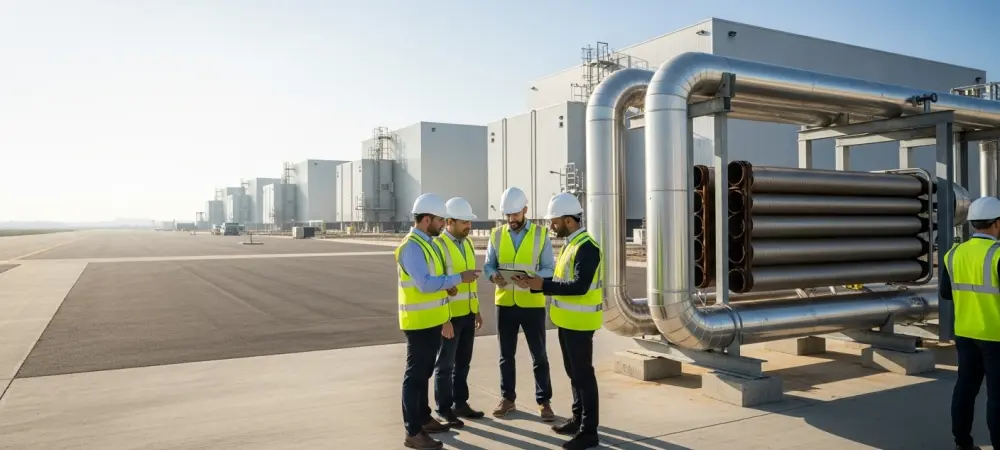
A Monumental Shift in the UK’s Digital Landscape
The approval of the Elsham Tech Park represents a monumental shift for North Lincolnshire, signaling its transition from a quiet rural expanse into a primary anchor for the digital infrastructure of the United Kingdom. With an estimated investment reaching up to $9.37 billion, this 1-gigawatt (GW) data center campus is not merely a local construction project; it is a massive industrial undertaking of national significance. By reclaiming the site of the former RAF Elsham Wolds air base, the development aims to bridge the gap between historical heritage and futuristic technology. This analysis explores the multifaceted impact of this venture, examining how it promises to reshape the local economy, drive sustainable innovation, and solidify the region’s role in the global tech ecosystem.
From Air Base to Data Hub: The Context of Elsham Wolds
To understand the gravity of the Elsham Tech Park, one must look at the historical and strategic evolution of the site. Formerly a vital RAF air base during the Second World War, the grounds at Elsham Wolds have long stood as a symbol of regional resilience and utility. However, as the national economy shifts toward a data-driven future, the repurposing of such large-scale sites has become essential. The decision to house 15 data halls across 1.5 million square meters reflects a broader industrial trend where space, power access, and connectivity are the new gold standards. This project follows on the heels of other massive local approvals, such as the $3.8 billion Humber Tech Park, indicating a coordinated effort to turn the Humber region into a technology corridor.
The Socioeconomic Blueprint of a High-Tech Campus
Economic Revitalization and the High-Skill Job Market
The most immediate benefit of the Elsham Tech Park lies in its potential to act as an economic catalyst for North Lincolnshire. Beyond the influx of thousands of temporary construction workers, the project is slated to create between 900 and 1,200 permanent, high-skilled positions. This is a critical development for a region looking to diversify its employment opportunities and retain local talent. By offering roles in cybersecurity, hardware engineering, and facility management, the tech park could effectively reverse “brain drain,” providing lucrative career paths for the next generation of residents. The presence of such a high-value employer also tends to stimulate the local supply chain, benefiting everything from logistics firms to hospitality businesses.
Innovative Sustainability: Beyond Just Data Storage
What sets the Elsham Tech Park apart from traditional data centers is its commitment to a circular economy and community integration. A standout feature of the proposal is the use of a district heating system designed to capture waste heat—a byproduct of massive server arrays—and repurpose it for agricultural and domestic use. The project includes plans for a massive on-site greenhouse capable of producing over 4,700 tonnes of tomatoes annually. This integration of tech and horticulture demonstrates a sophisticated approach to environmental goals, proving that massive energy consumers can also contribute to local food security and thermal efficiency.
Community Integration and Infrastructure Complexities
Despite the excitement, the transition to a data-heavy economy brings unique regional challenges and complexities. The site includes public-facing amenities like a cafe, creche, and retail shops, which are intended to serve both the facility staff and workers from the neighboring industrial estate. However, the project is currently in the outline stage, meaning that while the concept is approved, the granular details of traffic management and the specific undisclosed energy sources for the 49.9-megawatt on-site power center are still being ironed out. Misconceptions often arise regarding the noise and environmental footprint of such large facilities, requiring the developers to maintain transparent communication with the local community to ensure long-term social license.
The Future of Infrastructure: Trends and Predictions
Looking ahead, the Elsham Tech Park is a harbinger of a new era in British infrastructure where data centers are treated as essential utilities, much like power plants or water treatment facilities. As artificial intelligence and cloud computing continue to expand, the demand for hyper-scale facilities will only increase. We can expect to see tighter integration between data centers and the national grid, with projects increasingly required to provide their own renewable or low-carbon energy solutions. Regulatory shifts may also favor developments that offer tangible community benefits, such as the heat-reuse systems seen in North Lincolnshire, making this project a potential blueprint for future global developments through the end of the decade.
Navigating the Transformation: Key Takeaways for Stakeholders
For local businesses and professionals, the arrival of a $9B tech giant presents a unique window of opportunity. To capitalize on this shift, local educational institutions should look toward aligning their curricula with digital infrastructure management and sustainable engineering. Businesses in the region should prepare for increased demand in maintenance, security, and specialized logistical services. For the community at large, the takeaway is one of cautious optimism: while the physical landscape will change, the promise of a modernized economy and sustainable innovation offers a path toward long-term regional prosperity. Leaders should focus on developing a local supply chain that can service high-tech requirements.
A New Identity for North Lincolnshire
The Elsham Tech Park represented more than just a collection of servers; it was a bold statement about the future of North Lincolnshire. By transforming a historic airfield into a multi-billion dollar engine of the digital age, the region positioned itself at the forefront of the technological sovereignty of the country. While challenges regarding final blueprints and energy sourcing remained, the core vision of high-tech employment and innovative sustainability proved powerful. As this project moved from outline to reality, it served as the cornerstone of a regional renaissance, proving that with the right investment, traditional heartlands led the charge into a modernized future. Stakeholders successfully prioritized long-term digital growth over short-term industrial gains.