

The Looming Fiscal Shadow Over Google’s “Made by Google” Event
The upcoming August 12 reveal of the Pixel 11 lineup is currently facing a significant economic threat that may overshadow any hardware innovation presented at the “Made by Google” event. For years, the hardware division has marketed flagship devices as high-value alternatives to more expensive competitors, but a perfect storm in the semiconductor supply chain is forcing a fundamental shift.
Understanding the intersection of memory scarcity and manufacturing costs is now essential for any consumer looking to upgrade a mobile experience. This exploration dives into specific market forces driving a price correction within the Pixel family and what it means for the future of the brand’s position in the global market.
The Economic Anatomy of a Smartphone Price Hike
The core of the upcoming price adjustment involves a complex interplay between semiconductor availability and regional economic factors. Analyzing the bill of materials reveals how thin margins have become in the current manufacturing climate where every dollar spent on components impacts the final retail sticker. Consequently, the shift in pricing is not merely an arbitrary decision but a calculated response to the soaring costs of essential silicon components. This economic reality is reshaping how hardware divisions across the industry approach their product launches and long-term financial sustainability.
The $12 Per Gigabyte Problem: Deconstructing the Morgan Stanley Memory Forecast
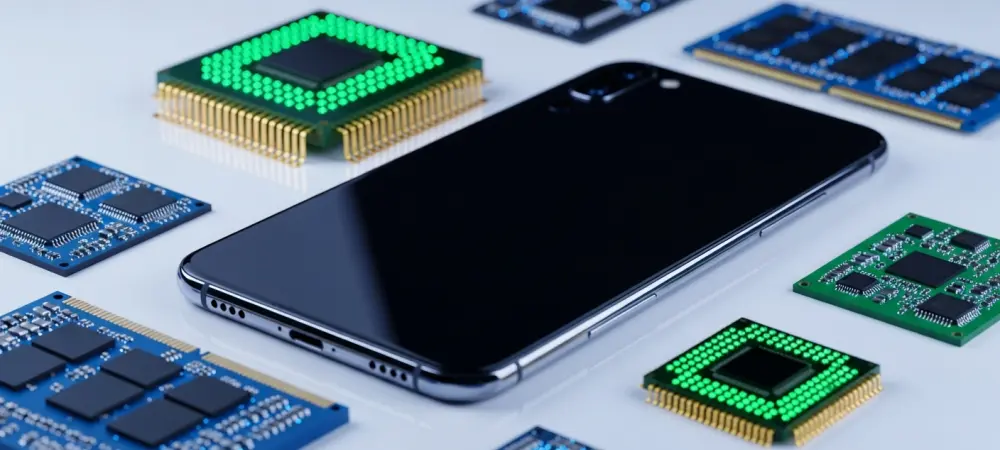
The current pricing crisis stems from a staggering jump in component procurement costs that has caught the industry off guard. According to data from Morgan Stanley, the cost of 1GB of RAM is projected to skyrocket from $2.80 to $12.00, representing a quadrupling of expense for a single part.
While enthusiasts might hope for a software optimization fix to mitigate hardware needs, the physical reality of manufacturing means these costs must be absorbed. This supplier-driven shortage is a tectonic shift in the assembly of high-end electronics that directly impacts the bottom line.
Navigating the Supplier-Driven Crisis: Why Google Is Vulnerable to Market Volatility
Unlike manufacturers who own their entire supply chain, Google remains heavily dependent on third-party memory suppliers. Shakil Barkat has openly acknowledged that the hardware division is grappling with a memory crisis that spans the entire industry, leaving the Pixel 11 series particularly exposed.
If prices reach EUR 999 for a base model, the company risks losing the reputation that helped previous generations gain significant traction. The reliance on external vendors creates a rigid pricing floor that internal efficiencies cannot easily bypass, forcing a systemic revaluation of the entire line.
From the Standard 11 to the Pro Fold: Evaluating the Impact Across the Entire Hardware Portfolio
Leaked pricing for European markets suggests a tiered escalation, with the Pro XL and Pro Fold reaching points of EUR 1,399 and beyond. This regional data hints at a global strategy where even older models may see dynamic price increases to reflect current replacement costs in a volatile environment. This disruptive trend challenges the assumption that tech becomes cheaper as it ages, suggesting a permanent premium-only tier. Market observers noted that such adjustments are necessary to prevent the hardware division from operating at a loss while scaling market share during a period of scarcity.
The AI Performance Tax: Why Modern Handsets Require More Expensive Architecture
The move toward on-device artificial intelligence is exacerbating the need for high-capacity, high-speed RAM. To run sophisticated Large Language Models, the Pixel 11 requires a massive memory overhead that older configurations cannot handle, making the most expensive components absolutely non-negotiable for future functionality.
This hardware-software symbiosis suggests the price hike is a necessary investment in the architecture required for next-generation computing. As AI becomes more integrated into the operating system, the demand for memory bandwidth acts as a new tax that premium smartphone buyers must eventually pay.
Strategic Consumer Planning in a High-Cost Tech Era
To navigate this landscape, consumers should prioritize longevity and trade-in value. Utilizing promotional trade-in windows and carrier subsidies is the only viable way to maintain a reasonable budget if base prices start at EUR 999 for the latest standard model.
Securing a previous-generation device before the full price correction takes effect might be a savvy financial move for many users. The most effective strategy is to view a smartphone purchase as a long-term investment, opting for models with guaranteed software support to offset the higher upfront cost.
Final Verdict: Assessing the Longevity of Google’s Price Correction
The anticipated price hike for the latest series marked a pivotal moment in the evolution of hardware strategy, signaling the end of the budget flagship era. As the global RAM shortage continued to squeeze margins, the price correction became the new industry standard rather than a temporary spike.
Consumers realized that the value of a device would now be measured by how well its hardware sustained the heavy demands of future AI innovations. This shift underscored the importance of supply chain resilience in an increasingly volatile global economy where performance and longevity outweighed the initial sticker shock.