

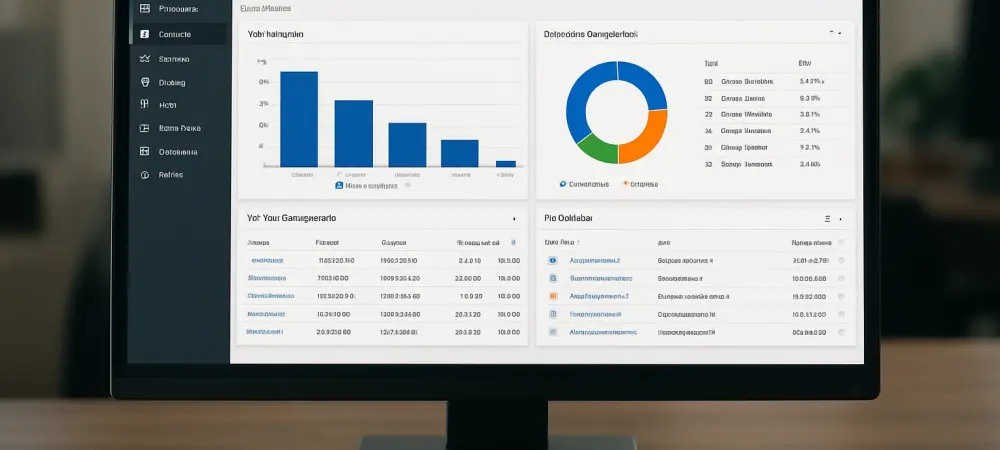
Many small and mid-sized businesses are increasingly recognizing the need to transition from traditional customer relationship management systems to more robust and comprehensive solutions like Microsoft Dynamics 365. This shift arises from the mounting inadequacies of conventional CRMs in meeting the layered requirements of modern business environments. Dynamics 365 positions itself as a substantial upgrade, integrating both CRM and enterprise resource planning (ERP) capabilities within a unified platform. The evolving landscape of cloud-based solutions reflects an industry trend toward addressing the multifaceted needs of contemporary businesses that strive for efficiency and innovation.
Dynamics 365 as a Unified Solution
Advantages of an Integrated Platform
Traditional CRMs primarily offer fundamental functionalities geared toward managing contacts, tracking leads, and compiling basic reports. These elementary features suffice for budding startups or businesses in their nascent stages. However, such limitations quickly surface as businesses scale and require integration with finance, operations, or service platforms. Real-time analytics and automation become indispensable for scaling operations, while customer journeys demand an extra layer of personalization. Dynamics 365 emerges as a game changer with its modular architecture that effortlessly marries CRM and ERP aspects into a single framework. By sharing information and workflows among sales, marketing, customer service, finance, the supply chain, and human resources, the platform ensures increased efficiency, reduces errors, and illuminates visibility across various sectors of the organization.
Benefits of Seamless Integration
A significant edge offered by Dynamics 365 is its seamless integration within the Microsoft 365 ecosystem. As numerous businesses already depend on tools such as Outlook, Excel, Word, and Teams, Dynamics 365 enhances productivity by enabling cross-platform operations with maintained context. For instance, sales representatives can record customer engagements directly from Outlook, marketing teams can develop real-time reports utilizing Dynamics 365 data within Excel, and further, Teams chats or calls can be initiated from CRM dashboards. Microsoft SharePoint integration also enhances dynamics by facilitating document storage related to contact or deal data. These elements bolster seamless operations and foster an integrated workplace ecosystem, reducing complexity and time expenditure traditionally associated with disparate software applications.
The Role of AI and Automation
Harnessing Intelligent Features
In stark contrast to traditional CRMs that often necessitate additional software for advanced analytics, Dynamics 365 comes with preeminent AI and automation functionalities. These embedded AI features include predictive lead scoring, sales forecasting, customer insights, and flow automation using Microsoft Power Automate. Such intelligent capabilities provide businesses with unprecedented agility in decision-making, facilitate personalized customer experiences, and liberate resources from mundane, time-consuming tasks, thereby enhancing productivity and maximizing return on investment. As customer demands grow intricately intertwined with personalization, Dynamics 365’s AI capabilities will continue to play a pivotal role in enhancing customer satisfaction and business growth.
Supporting Flexibility and Scalability
Flexibility and scalability stand as crucial attributes that Dynamics 365 offers to SMBs as they embark on growth trajectories. Whether expanding teams, opening new locations, or venturing into diverse service areas, Dynamics 365’s platform evolves alongside business demands. With modular apps, cloud deployment facilitates scalable growth without investing in substantial hardware. It also offers extensive customization and API support for integration with third-party applications and services. By collaborating with knowledgeable implementation partners, companies ensure that their Dynamics 365 setup aligns precisely with their specific needs and long-term goals. This adaptability acts as a robust enabler for businesses to navigate and thrive amid evolving market conditions.
Securing Data and Delivering Insights
Ensuring Security and Compliance
For businesses operating within regulated sectors like finance, healthcare, and legal services, security and compliance represent significant concerns. Dynamics 365 addresses these concerns by offering comprehensive security features, including role-based access control, multi-factor authentication, and data loss prevention measures. Furthermore, it upholds compliance protocols with internationally recognized standards like GDPR, HIPAA, and ISO, ensuring the protection of sensitive business and customer data from unauthorized access across various locations and devices. This secure infrastructure positions Dynamics 365 as a peerless solution for SMBs that wish to safeguard their operational integrity while adhering to stringent industry regulations.
Delivering Real-Time Analytics
Another indispensable feature distinguishing Dynamics 365 from its traditional counterparts revolves around its capability to furnish real-time analytics and reporting. Built-in Power BI integration negates the need for external tools or extensive custom development. SMBs can create real-time dashboards and interactive reports to visualize sales pipelines, assess campaign performance, monitor customer satisfaction trends, and track key performance indicators spanning departments. By delivering timely insights, Dynamics 365 enables decision-makers to proactively adjust strategies, optimize performance, and address emerging challenges, thus paving the way for informed decision-making and better business outcomes.
Enhancing Customer Experience and Cost Efficiency
Delivering Exceptional Customer Experiences
A central focus for SMBs lies in delivering exceptional customer experiences. Dynamics 365 makes it feasible by granting businesses a comprehensive view of their customers, supporting multi-channel interactions, and logging past engagements to enable contextual support. Follow-ups and service reminders can be automated, enhancing service quality and boosting customer retention, a vital aspect of sustained success in today’s fast-paced market. The advanced CRM functionalities of Dynamics 365 foster loyalty by empowering businesses to meet and exceed evolving customer expectations. By ensuring the fulfillment of service demands and maintaining personalized engagement, SMBs can build enduring relationships, leading to repeat business and favorable referrals.
Driving Cost Efficiency and ROI
Recently, a growing number of small and medium-sized businesses have recognized the need to upgrade from traditional customer relationship management (CRM) systems to more sophisticated solutions like Microsoft Dynamics 365. This transition is driven by the increasing inadequacies of conventional CRMs in fulfilling the complex demands of today’s business world. Microsoft Dynamics 365 stands out as a significant enhancement, offering a seamless integration of CRM and enterprise resource planning (ERP) functionalities within a single platform. This shift is emblematic of a broader industry trend, as the landscape for cloud-based solutions evolves to meet the diverse needs of modern businesses focusing on efficiency and innovation. Companies are not only seeking tools that help build stronger customer relationships but are also looking for systems that can streamline operations, improve decision-making, and foster growth in increasingly competitive markets. Embracing such technology is becoming essential for staying relevant and achieving long-term success.