

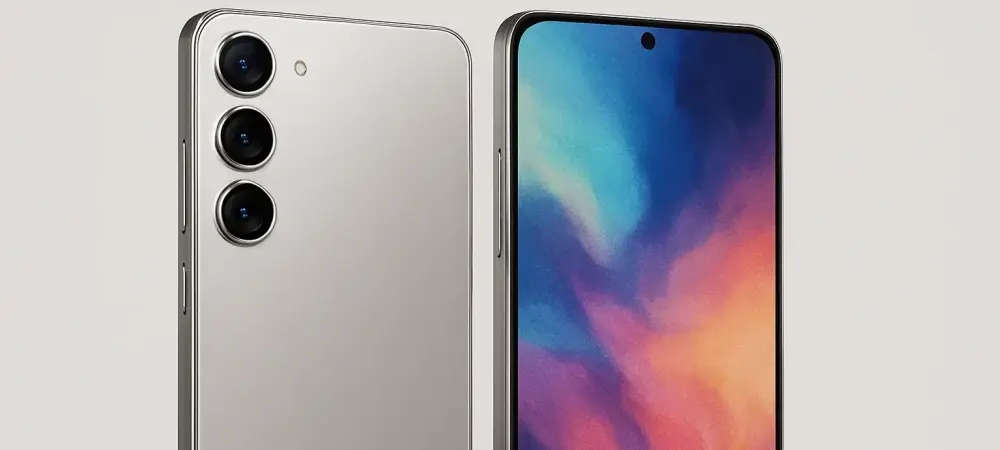
Setting the Stage for a Premium Shift
In the ever-evolving smartphone market, Samsung stands as a titan, consistently pushing boundaries with its flagship Galaxy S series, and as of 2025, the spotlight is firmly on the recently unveiled Galaxy S26 lineup, comprising the S26, S26+, and S26 Ultra, which debuted at the Galaxy Unpacked event on February 25 in San Francisco, California. What has captured the attention of industry watchers and consumers alike is not just the cutting-edge technology but the noticeable price increase over its predecessor, the Galaxy S25 series. This surge raises critical questions about market trends, consumer behavior, and the broader implications for the premium smartphone segment. How does Samsung justify this shift, and what does it mean for its competitive positioning?
This analysis aims to dissect the factors driving the elevated pricing of the Galaxy S26 series, delving into component cost escalations, technological advancements, and strategic market maneuvers. With starting prices rumored to exceed the Galaxy S25’s base figures of $1,000 for the standard model, $1,230 for the Plus, and $1,600 for the Ultra in key markets like India, understanding these dynamics is essential. The focus here is to provide a comprehensive market perspective on how Samsung navigates the delicate balance between innovation and affordability in a highly competitive landscape.
The significance of this price adjustment extends beyond a single product launch. It reflects broader industry challenges, including supply chain constraints and inflationary pressures, while signaling potential shifts in consumer expectations. As Samsung cements its place in the premium tier, this examination seeks to uncover whether the higher cost aligns with perceived value and how it might reshape market trends in the coming years.
Market Trends and DatDecoding the Price Escalation
Component Costs: A Rising Tide in the Supply Chain
A pivotal driver behind the Galaxy S26 series’ higher price point lies in the escalating costs of essential components. Industry reports from South Korea highlight a sharp increase in the prices of chipsets and memory modules, attributed to persistent global supply chain disruptions and inflation. These components form the core of smartphone performance, dictating speed, efficiency, and user experience. For Samsung, absorbing these costs without passing them on to consumers would erode profit margins, a risk the company appears unwilling to take. This trend is not unique to Samsung; it mirrors a broader challenge across the tech sector where manufacturers grapple with sourcing high-quality materials at sustainable costs.
Data suggests that the cost of semiconductor production has risen significantly over the past year, with advanced manufacturing processes adding to the expense. While exact figures for the S26 series’ retail prices remain under wraps post-launch, market speculation points to a noticeable uptick from the previous lineup. This shift raises a critical concern: will consumers perceive the added cost as justifiable, especially in markets where budget alternatives are gaining ground? The answer may hinge on Samsung’s ability to communicate the tangible benefits tied to these pricier components.
Transitioning from raw costs to innovation, it’s evident that component pricing is only part of the equation. The market’s response to these increases will likely depend on how Samsung positions its value proposition against competitors who may opt for more aggressive pricing strategies to capture cost-sensitive segments.
Technological Advancements: The Cost of Cutting-Edge Performance
Diving deeper into the Galaxy S26 series, the integration of next-generation chipsets stands out as a significant factor in the price hike. Samsung has adopted a dual-chip approach, equipping devices with either the proprietary Exynos 2600, built on a 2nm process, or Qualcomm’s 3nm octa-core Snapdragon 8 Elite Gen 5, depending on regional markets. These advancements promise superior performance and energy efficiency, setting a new benchmark for flagship devices. However, the sophisticated manufacturing processes behind these chips come with a steep production cost, directly impacting the retail price.
Market analysis indicates that such technological leaps are becoming a defining characteristic of premium smartphones, where performance gains are often incremental yet carry substantial price tags. For instance, compared to earlier models, the S26 series’ chipsets represent a notable upgrade in processing power, potentially appealing to power users and tech enthusiasts. Yet, the question remains whether the average consumer will value these enhancements enough to justify the cost, particularly in regions with varying economic conditions.
This focus on high-end technology also positions Samsung in direct competition with other premium brands, intensifying the race to deliver unmatched specs. As the market for flagship devices becomes increasingly saturated, the challenge for Samsung will be to differentiate its offerings through innovation while managing consumer expectations around pricing, a balancing act that could define its trajectory in the near term.
Design and Regional Strategies: Tailoring to Diverse Markets
Beyond internal components, the Galaxy S26 Ultra’s rumored design overhaul adds another layer to the pricing narrative. While specific details of the redesign remain undisclosed, industry whispers suggest a focus on aesthetics, durability, or enhanced functionality, all of which could elevate manufacturing expenses. Such upgrades are often targeted at reinforcing the Ultra model’s status as the pinnacle of Samsung’s lineup, appealing to consumers willing to pay a premium for exclusivity and innovation.
Regional variations further complicate the cost structure, as Samsung navigates supply chain disparities and market-specific demands. For example, sourcing components for different regions can lead to fluctuating production costs, influencing final retail prices. This strategic tailoring, while necessary to meet diverse consumer needs, underscores the complexity of maintaining a unified global pricing model. Market data reveals that in some regions, higher import tariffs or logistical challenges could amplify the price disparity, potentially affecting Samsung’s penetration in price-sensitive markets.
Looking at the broader trend, design and regional customization reflect an industry shift toward hyper-personalized products, even at the flagship level. Samsung’s ability to manage these variations without alienating segments of its customer base will be crucial. This aspect of the market analysis points to a growing need for transparency in communicating how such factors contribute to the final cost, ensuring consumer trust amidst rising prices.
Strategic Insights: Implications for the Premium Smartphone Segment
Reflecting on the market analysis, it is clear that the Galaxy S26 series’ price surge stems from a confluence of rising component costs, advanced technological integrations, and strategic design enhancements. These factors, unveiled during the launch event in San Francisco on February 25, underscore Samsung’s commitment to maintaining its foothold in the premium smartphone arena, even as economic pressures mount. The data points to a broader industry trend where innovation often demands a higher financial commitment from both manufacturers and consumers.
The implications of this pricing strategy are multifaceted. On one hand, Samsung’s focus on cutting-edge chipsets and design upgrades solidifies its position as a leader in technology, potentially attracting loyalists and tech-savvy buyers. On the other hand, the elevated costs risk alienating price-conscious consumers, particularly in emerging markets where affordability remains a key decision factor. This tension highlights a critical challenge for the brand in balancing aspiration with accessibility.
Moving forward, Samsung could consider several strategic steps to mitigate potential backlash. Offering tiered financing options or enhanced trade-in programs might soften the impact of the price hike for budget-conscious buyers. Additionally, emphasizing the long-term value of the S26 series through robust marketing campaigns could shift consumer focus from cost to durability and performance. Exploring partnerships with carriers for bundled deals is another avenue to enhance affordability. Ultimately, Samsung’s ability to adapt its approach based on regional market feedback and competitive dynamics will be pivotal in sustaining its dominance in the premium segment while addressing the evolving needs of a diverse global audience.