

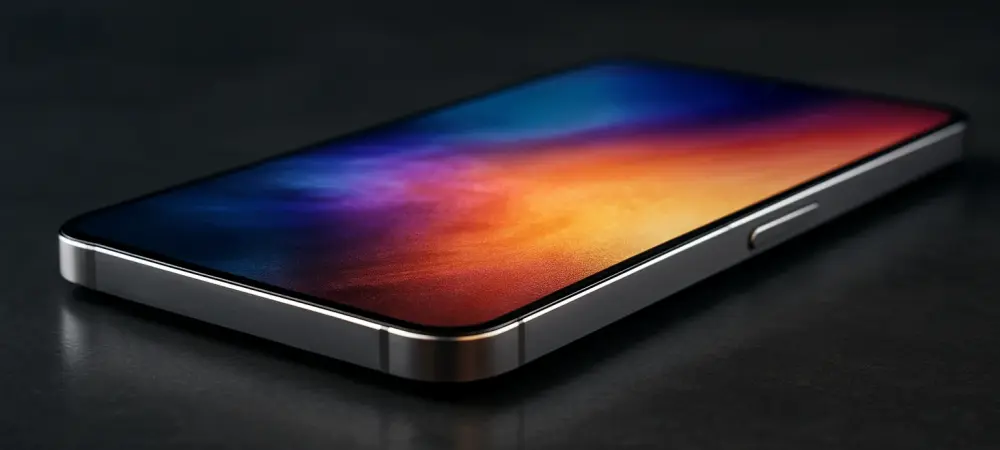
In a surprising move that has captured the attention of the tech world this Black Friday, Samsung’s six-month-old flagship, the Galaxy S25 Edge, is already the subject of a massive and unexpected discount. Typically, a premium device this new holds its value firmly, with significant price drops reserved for when its successor is on the horizon. However, a limited-time deal at Best Buy has slashed a substantial $400 from its price, bringing the 256 GB model down to a more accessible $699.99 and the 512 GB version to $819.99. This aggressive pricing strategy is particularly noteworthy given that the next iteration in the series is not anticipated until early 2026. Such a steep reduction invites speculation: Is this simply an unbeatable holiday offer, or does it signal a strategic positioning by the manufacturer that acknowledges the phone’s specific blend of high-end features and calculated compromises? The answer likely lies in a detailed look at what the S25 Edge offers, and just as importantly, what it omits.
A Masterclass in Design with a Few Caveats
The immediate appeal of the Galaxy S25 Edge lies in its remarkable physical design and vibrant display, which together create a powerful first impression. The device is an exercise in elegant engineering, boasting an exceptionally thin profile at just 5.8 mm and a feather-light weight of 163 grams. This is achieved through the use of a sophisticated titanium chassis that provides both rigidity and a premium feel. Complementing its svelte construction is a stunning 6.7-inch display that features a fluid 120 Hz refresh rate for smooth scrolling and animations. Protected by the durable Gorilla Glass Ceramic 2, the screen is also praised for its outstanding brightness, ensuring excellent visibility even in direct sunlight. Powering the experience is the formidable Snapdragon 8 Elite processor, a chipset capable of handling demanding applications and gaming with ease. Furthermore, the phone is equipped with future-proof connectivity options, including WiFi 7 and a USB 3.2 Type-C port, and supports productivity features like Samsung DeX and the audio-sharing standard Auracast. Capping off its list of strengths is an impressive commitment to long-term software support, with updates promised until 2031, offering users years of security and feature enhancements.
The Compromises behind the Price Drop
Despite its impressive design and forward-looking features, the Galaxy S25 Edge is a device defined by clear trade-offs, which likely explain the rationale behind its early and significant discount. The most notable compromise is its battery life. While sufficient for a full day of light to moderate usage, the power cell struggles to keep up with the demands of heavy users, who may find themselves searching for a charger before the day is over. This places it a step behind many of its flagship competitors that prioritize endurance. Another major concession was made in the camera department. The device features a high-resolution 200 MP primary sensor capable of capturing detailed images in good lighting. However, it critically lacks a telephoto lens, a staple of modern high-end smartphones. This omission severely limits its photographic versatility, as any attempt to zoom in on distant subjects relies on digital cropping from the main sensor, resulting in a significant loss of quality. In a market where robust optical zoom is a key differentiator, this decision positions the S25 Edge as less of an all-around camera powerhouse and more of a specialized tool. These two compromises—battery and camera zoom—are likely the primary drivers behind the $400 price reduction, making the phone a compelling option for consumers who prioritize aesthetics and display quality over all-day power and photographic flexibility.