

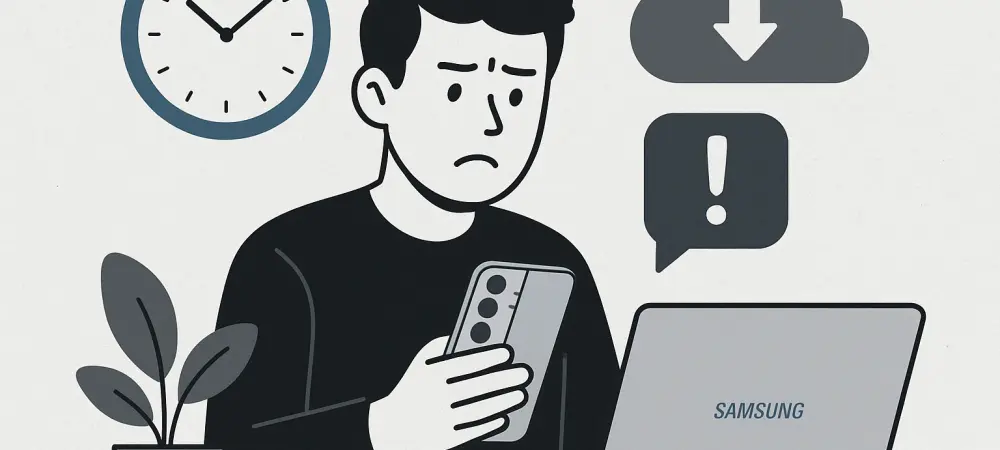
Imagine being a proud owner of the cutting-edge Galaxy S25, eagerly awaiting the transformative One UI 8 update based on Android 16, only to find out that a substantial software patch in September doesn’t deliver the anticipated features, sparking widespread discussion and frustration among Samsung enthusiasts. The purpose of this roundup is to gather diverse opinions, tips, and perspectives from various industry sources and community voices to shed light on why Samsung is delaying One UI 8 for Galaxy S25 users. By exploring multiple viewpoints, this piece aims to provide a comprehensive understanding of the situation and its implications for Samsung’s flagship device owners.
Diving into the Hype and Disappointment Surrounding Galaxy S25 Updates
The Galaxy S25 series has generated immense excitement, with users expecting top-tier performance and the latest software innovations. One UI 8, built on Android 16, promises enhanced security, privacy features, and a refined user experience, making it a highly anticipated update. However, the delay in its rollout has left many feeling let down, especially as other Android devices gain access to similar advancements sooner.
Sources across tech communities emphasize the importance of timely updates for flagship devices like the S25. Industry observers note that delays can impact user trust, particularly when security patches and new functionalities are postponed. This situation has fueled debates about Samsung’s priorities and how they align with consumer expectations.
A recurring theme in forums and tech blogs is the gap between anticipation and reality. While Samsung has rolled out a significant update in September, weighing over 1GB, it lacks the game-changing features of One UI 8. This has led to a collective sense of impatience, with many wondering how long they must wait for the full Android 16 experience.
What’s Causing the Holdup of One UI 8? A Multi-Source Perspective
September Patch: Heavy in Size, Light on Impact
Reports from multiple tech outlets highlight the frustration brewing among Galaxy S25 owners over the September update. Despite its hefty size, which suggests a major overhaul, the patch fails to introduce One UI 8 or Android 16 features. This has been a significant letdown for users who expected more than just routine fixes.
Commentators on social media platforms and tech news sites point out that while the update addresses some stability issues, it lacks the transformative elements promised by One UI 8. Many users express disappointment, feeling that Samsung missed an opportunity to deliver a standout experience with this release.
A segment of the community debates whether Samsung is deliberately focusing on stability over speed. Some argue that ensuring a bug-free update is worth the wait, while others believe the company should prioritize quicker access to new features, especially for a flagship device like the S25.
Samsung’s Staggered Updates vs. Google’s Swift Rollouts
Samsung’s gradual update model stands in stark contrast to Google’s near-instant rollouts for Pixel devices, a disparity widely discussed in tech circles. Pixel owners often enjoy Android 16 features immediately after release, while Galaxy S25 users face weeks or even months of delay, creating a noticeable difference in user experience.
Industry analysts suggest that this gap puts Samsung at a competitive disadvantage. With Google controlling both hardware and software for Pixel devices, the speed of updates becomes a selling point that Samsung struggles to match. This has led to discussions about how Samsung can close this divide without compromising quality.
User feedback on various platforms reveals growing impatience with Samsung’s slower pace. Many question why a leading manufacturer cannot keep up with Google’s efficiency, with some even considering switching brands if delays persist. This sentiment underscores the urgency for Samsung to rethink its deployment strategy.
Android Ecosystem Dynamics: Is There a Level Playing Field?
Concerns about Google’s dual role as a competitor and Android platform steward are gaining traction among tech commentators. Some argue that Google’s control over the operating system gives Pixel devices an unfair edge, leaving manufacturers like Samsung grappling with delayed firmware patches and update certifications.
Different perspectives emerge on how this dynamic impacts Samsung. While some industry voices believe Google should ensure equal access to updates across all Android devices, others contend that Samsung must adapt by streamlining its internal processes. This debate highlights systemic challenges within the Android ecosystem.
Community discussions also touch on market-specific disparities. Users in certain regions often wait longer for updates due to Samsung’s staggered rollout, amplifying frustration. This uneven distribution raises questions about whether future Android policies might address these inequities or if the gap will continue to widen.
Timeline Uncertainty: When Can Users Expect One UI 8?
Speculation about the release of One UI 8 remains rife, with many sources pointing to a possible late September or October rollout. This prolonged wait for Android 16 enhancements has left Galaxy S25 owners in limbo, unsure of when they’ll access critical updates that competitors already enjoy.
Insights from tipsters and tech enthusiasts on social media reflect a blend of anticipation and irritation. While some remain optimistic about a near-term release, others express skepticism, citing Samsung’s history of delayed major updates. This uncertainty fuels ongoing discussions about the brand’s reliability in delivering timely software.
A unique angle from user communities suggests that this unpredictability might influence long-term brand loyalty. Some Galaxy owners are exploring alternative Android devices with faster update cycles, indicating that Samsung risks losing a portion of its user base if clearer timelines aren’t provided soon.
Key Takeaways from the One UI 8 Delay Debate
Synthesizing opinions from various corners of the tech world, it’s evident that Galaxy S25 owners are grappling with frustration over the September patch’s shortcomings and the broader delay of One UI 8. The competitive edge Google maintains with Pixel devices further intensifies this discontent, highlighting disparities in update speed and access to new features.
Several sources agree that Samsung could mitigate backlash by enhancing transparency. Suggestions include publishing detailed update roadmaps or rolling out interim features to keep users engaged. Such steps might help rebuild trust and demonstrate a commitment to meeting user needs promptly.
For those eager to stay updated, community recommendations include following credible tech blogs and joining Samsung-focused forums. These platforms often provide real-time insights and unofficial leaks about One UI 8 developments, helping users stay informed while awaiting official announcements.
Reflecting on Samsung’s Update Strategy and Android’s Future
Looking back, the discourse surrounding Samsung’s delay of One UI 8 for Galaxy S25 users revealed deep-seated frustrations and systemic challenges within the Android ecosystem. The contrast between Samsung’s staggered rollouts and Google’s swift updates for Pixel devices stood out as a pivotal issue, prompting widespread debate about fairness and competition.
Moving forward, Samsung could consider adopting more agile update mechanisms or partnering with Google to streamline Android certifications. Exploring user feedback channels to address concerns directly might also prove beneficial in restoring confidence among Galaxy owners.
For users and enthusiasts, staying proactive by engaging with tech communities and tracking reliable sources remains a practical step. As the Android landscape evolves, advocating for more equitable update policies could shape how manufacturers like Samsung prioritize software delivery in the years ahead.