

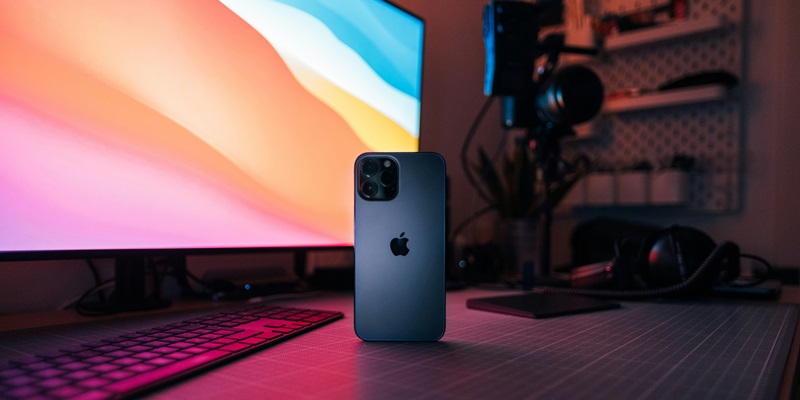
The iPhone 12 Pro Max, a sophisticated and highly-regarded smartphone, has been plagued by certain persistent issues that have troubled a number of its users. Among the most prevalent concerns are the device’s tendency to overheat and issues with not charging to full capacity. These problems are not only a source of frustration but also pose a risk of causing lasting damage to what is considered a premium piece of technology. For those who own the iPhone 12 Pro Max, these glitches raise significant worries about the reliability and longevity of their investment. Overheating can lead to degraded battery life and impact the phone’s overall performance, while charging troubles can be particularly vexing for users who rely on their phones throughout the day. As sophisticated as the iPhone 12 Pro Max may be, these issues highlight the importance of quality control and post-purchase support for high-end electronics. Addressing these problems is crucial for maintaining customer trust and ensuring that users can fully enjoy their devices without interruption.
Diagnosing Overheating Issues
One of the main catalysts for an iPhone overheating is the processing of energy-intensive tasks. Whether it’s high-end gaming, streaming 4K videos, or using augmented reality applications, these activities demand significant processing power from the A14 Bionic chip, which can generate heat. Additionally, environmental factors such as direct sunlight or high ambient temperatures can contribute to the phone becoming unusually warm.
Moreover, the iPhone design prioritizes a slim form factor over cooling, which means that under strain, the heat generated within cannot dissipate as rapidly as it might in a larger device with a more extensive cooling system. Long periods of use, particularly when involving power-hungry features like GPS navigation or video streaming, tend to exacerbate this heat build-up. It’s crucial to recognize that while a certain degree of warmth is expected during heavy use, excessive heat indicates a problem.
Uncovering Charging Challenges
On the flip side, charging problems are perplexing in their own right. It’s easy to suspect the battery when the iPhone doesn’t charge fully, but there are numerous players in this scenario. The charging port itself might be faulty, or there could be issues with the charging cable or adapter. Dust or debris inside the port can also prevent proper contact between the cable and the connectors, leading to an interrupted charging cycle.
Some users might experience cases where the iPhone 12 Pro Max stops charging at a certain percentage, or the battery health appears to deteriorate quicker than expected. In such cases, battery calibration errors or software glitches can be the hidden culprits. These can often be fixed with a system software update or a full battery cycle, which recalibrates the battery’s charge management system. However, if a hardware failure is at the root of the charging issue, professional technical support would be the prudent course of action.