

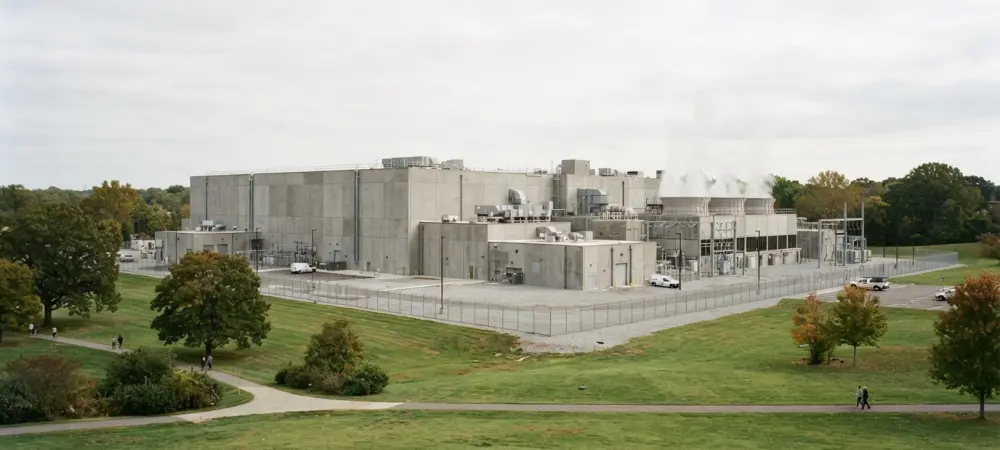
Local residents have voiced significant concerns regarding noise pollution and land use as data centers continue to expand into areas once reserved for community space. This growing friction culminated in a decisive move by the Loudoun County Board of Supervisors, which recently enacted a 12-month moratorium on new data center and substation applications. The resolution, passed with a strong 7-1 majority, was backdated to become effective as of September 15, 2024. By hitting the pause button, local officials are attempting to halt the influx of new proposals while they overhaul the zoning ordinances that have historically governed these massive industrial projects. This strategic interval is intended to prevent developers from filing under the existing, more permissive rules during the transitional period. As the highest-density hub for digital infrastructure globally, Loudoun County serves as a bellwether for how local governments navigate the pressures of technological expansion.
Moving Beyond the By-Right Development Model
The decision to pause new applications reflects a fundamental shift in how the county views large-scale digital infrastructure. For years, the “by-right” zoning model allowed developers to construct data centers with minimal public oversight, as these facilities were classified similarly to traditional low-impact office buildings. However, as the scale of these campuses grew to encompass millions of square feet and required massive cooling towers and electrical substations, the old regulatory framework became woefully insufficient. Modern facilities now dominate the landscape, prompting supervisors to reconsider the aesthetic and acoustic impacts on neighboring residential districts. The current pause allows staff to craft specific performance standards that address the unique industrial footprint of these buildings. This effort includes drafting requirements for mandatory sound walls, architectural screening, and stricter setbacks from public parks. Officials are now prioritizing a more deliberate approval process that favors quality over speed.
While the social costs of expansion are high, the financial contributions of the industry are nearly impossible to ignore in local fiscal planning. Projections for the 2027 fiscal year indicate that data centers will contribute approximately $1.3 billion to the county coffers, accounting for nearly 40% of the total budget. This revenue stream supports schools, public safety, and road improvements, creating a complex dependency that complicates regulatory tightening. The moratorium is not intended to be a permanent ban—a move county lawyers noted would be legally indefensible—but rather a cooling-off period to ensure that the gold rush does not permanently degrade the region’s character. By establishing a 12-month window, the board aims to find a sustainable equilibrium where high-tech tax dollars do not come at the expense of quiet neighborhoods. The challenge remains in creating a code that is rigorous enough to satisfy the public without driving away the vital investment that funds the community’s essential services.
Regional Context: Industry Impacts and Strategic Solutions
The sudden implementation of the moratorium has created significant ripples throughout the tech sector and investment circles. Advocacy groups, including the Data Center Coalition, have voiced deep concerns that such abrupt policy changes introduce unnecessary uncertainty into the regional market. These organizations argue that a lack of predictability could lead developers to shift their capital to competing markets where the regulatory climate is more stable. Despite the pause on new filings, the county is still processing a substantial backlog of 33 active applications that were submitted before the cutoff date. This workload ensures that construction activity will likely remain visible even as no new projects enter the pipeline. To manage the eventual reopening of the application process in September 2025, the county plans to implement stricter caps on how many projects can appear on public hearing agendas each month. This phased approach is designed to prevent a secondary surge from overwhelming local administrative capacity.
Loudoun’s legislative action was part of a much larger narrative unfolding across the Commonwealth of Virginia following the recent midterm elections. Stakeholders learned that maintaining the status quo was no longer a viable path forward as the industry matured into a heavy industrial powerhouse. Moving beyond the pause, the county focused on incentivizing developers to integrate renewable energy sources and advanced liquid cooling technologies that significantly reduced noise and power demands. These adjustments offered a roadmap for other municipalities facing similar infrastructure bottlenecks, emphasizing the importance of proactive zoning rather than reactive mitigation. Future developments were encouraged to adopt subterranean designs or vertical configurations to minimize their surface footprint and preserve green corridors. By the time the application window reopened, the county had successfully established a set of rigorous standards that turned data centers into better neighbors while securing long-term revenue.