

The moment a cryptographic master key is leaked from a secure facility, the thin line between a high-tech fortress and a hollow plastic shell evaporates instantly, forcing a complete reconsideration of how digital assets are protected. The cryptocurrency industry has transformed from a niche experiment into a foundational pillar of the global economy, making robust cold-storage solutions more essential than ever. As institutional and retail adoption accelerates, hardware wallets have emerged as the primary defense against the increasing sophistication of cyber threats. This market is defined by a race toward zero-trust architectures where every component of a device must be verifiable. However, the current landscape proves that the most secure firmware is irrelevant if the supply chain that delivers the device to the consumer remains susceptible to administrative compromise.
Moreover, the integrity of these security devices relies heavily on the ability of a user to verify that a hardware unit is genuine before entrusting it with their life savings. The recent breach at Keystone serves as a warning that attackers are no longer just looking for software bugs but are instead targeting the very mechanisms used to establish trust. This shift suggests that the future of the industry will be dictated by those who can secure the entire lifecycle of a product, from the assembly line to the customer doorstep.
The Critical Role of Hardware Wallets in the Evolving Crypto Landscape
Hardware wallets function as the ultimate gatekeeper for private keys, isolating sensitive data from the inherent vulnerabilities of internet-connected environments. In a period where decentralized finance and digital sovereignty are paramount, the hardware wallet sector has seen intense competition among manufacturers who prioritize open-source transparency. The value proposition of these devices is built on the promise that the private key never leaves the secure element. Consequently, any event that casts doubt on this isolation or the authenticity of the physical hardware itself triggers a systemic crisis for the brand involved.
Furthermore, the complexity of managing digital assets in 2026 requires that hardware vendors move beyond simple key storage. They must now navigate a landscape of diverse blockchain protocols and evolving attack vectors. This necessity for constant updates and connectivity creates new surfaces for potential exploitation. As the market matures, the focus has shifted from the internal logic of the chips to the security of the peripheral infrastructure that supports device authentication and customer management.
Security Breach Dynamics: The Keystone Verification Crisis
Vulnerabilities in Device Authentication and Third-Party Tools
A significant trend in modern cybersecurity is the exploitation of third-party tools to bypass the hardened defenses of a primary target. In the case of Keystone, the breach originated not from a failure in the hardware design, but through a vulnerability in a data monitoring utility used on their website. This flaw allowed an external actor to escalate privileges and successfully extract a unique device verification key. This key is the centerpiece of the genuine check process, where a hardware unit decrypts a QR code to prove it was manufactured by the legitimate company. The compromise of this specific key effectively neutralized the technological barrier intended to prevent the distribution of malicious, counterfeit clones. Without a secure and exclusive verification key, the system cannot differentiate between a legitimate Keystone unit and a sophisticated replica designed to siphon funds. This incident highlights how a single point of failure in a web-based monitoring tool can undermine years of hardware security engineering, emphasizing the need for comprehensive security audits that cover every digital touchpoint.
Quantifying the Impact on Manufacturing and Market Trust
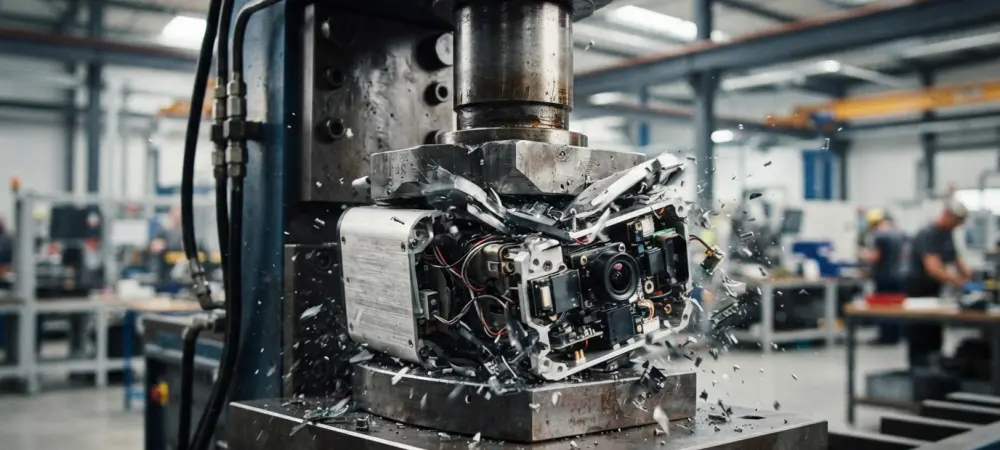
The logistical fallout of this breach is substantial, as Keystone identified 18,835 unsold devices that have essentially become liabilities. These units were manufactured with a Write-Once-Read-Many memory architecture, which ensures that the internal key cannot be altered or overwritten once it is set. While this feature is typically a security benefit that prevents unauthorized firmware tampering, it now prevents the company from simply updating the compromised keys. As a result, the manufacturer made the difficult decision to pause all shipping and physically destroy the affected inventory.
This massive destruction of stock reflects a proactive attempt to protect the long-term reputation of the brand over short-term financial gain. Market projections indicate that supply chain integrity will remain a primary performance indicator for all hardware vendors moving forward. By removing these devices from the market, the company aims to prevent a potential surge in man-in-the-middle attacks where intercepted or counterfeit devices could be sold to unsuspecting investors through secondary channels.
Navigating Supply Chain Risks: Physical Security Obstacles
The most daunting challenge facing the hardware wallet industry is the intercept and swap threat, where legitimate devices are replaced with compromised ones during transit. If an attacker possesses the master verification key, they can manufacture a device that perfectly mimics the behavior of a genuine unit while containing a hidden backdoor. This backdoor could easily record recovery phrases and transmit them back to the attacker, leading to the total loss of assets. The fact that the compromised key was hard-coded during the assembly phase turned a digital breach into a permanent physical vulnerability for nearly 19,000 units. This incident exposes the fragility of relying on a centralized cryptographic secret for hardware attestation. It forces the industry to seek more resilient, multi-layered verification strategies that do not collapse if a single server is compromised. Moving toward a model where hardware verification is decentralized or involves multiple independent signatures could mitigate the impact of such leaks. The current crisis demonstrates that the perimeter of a hardware company now extends deep into the infrastructure of their e-commerce partners and monitoring services.
Regulatory Standards: The Burden of Data Privacy Compliance
Beyond the technical risks to the hardware, the breach touched upon the increasingly rigorous landscape of global data protection regulations. Alongside the cryptographic key theft, approximately 25,964 buyer records were exposed, including sensitive personal details like names and shipping addresses. This aspect of the breach was significantly worsened by the failure of automated data-deletion tools. These tools were intended to erase customer information after 180 days to maintain compliance with privacy standards, yet they failed to operate reliably, leaving data exposed that should have been long gone. This failure underscores the necessity for companies to adopt Privacy by Design principles, where data minimization is not just a policy but a functional reality. The hardware wallet industry is now under heightened pressure to audit its entire e-commerce stack, including third-party platforms like Shopify. Moving forward, the retention period for customer data is being shortened, and more frequent manual checks of automated systems are becoming the standard to ensure that a hardware security breach does not also result in a massive identity theft event.
The Future of Cold Storage: Innovation and Resilience
The trajectory of the hardware wallet industry is shifting toward a model of decentralized manufacturing audits and enhanced transparency. Future innovations will likely focus on devices that allow for field-updatable security elements or attestation protocols that do not rely on a single master key stored on a company server. As consumer preferences pivot toward absolute self-sovereignty, the brands that survive will be those that can prove their supply chain is as immutable as the blockchains they interact with. We can expect to see a surge in the development of anti-tamper packaging that uses unique physical identifiers linked to a blockchain.
Furthermore, the integration of multi-signature verification at the hardware level will likely become the next frontier for growth. This would require multiple keys from different geographical locations to authorize the creation of a device, making it nearly impossible for a single data breach to compromise the entire manufacturing line. The focus is no longer just on keeping the private key in the device, but on ensuring that the device itself is a trusted participant in the digital ecosystem from the moment of its creation.
Protecting Assets: An Era of Sophisticated Counterfeits
The Keystone incident provided a sobering lesson in the limitations of traditional hardware authentication. It demonstrated that a robust security posture required an unwavering commitment to transparency even when it involved significant financial loss. The decision to destroy nearly 19,000 devices reflected a strategic move to prioritize the safety of the user over the preservation of the balance sheet. This action established a new benchmark for how companies handled supply chain compromises in an era where trust was the most valuable currency.
Investors and users learned that the security of a wallet was as much about the provenance of the hardware as it was about the strength of the encryption. The situation necessitated a shift toward more vigilant verification practices and a deeper understanding of the risks associated with third-party data handlers. Ultimately, the industry moved toward more resilient authentication frameworks that relied on distributed trust rather than a single point of failure. This shift ensured that while individual components remained vulnerable, the overall system for protecting digital wealth grew stronger and more adaptable to the evolving landscape of cyber warfare.