

The seamless digital fabric that once connected the entire planet has begun to fray under the weight of geopolitical aggression and physical vulnerabilities. In early 2026, the digital world crossed a threshold where a stable connection is no longer a given, but a luxury increasingly dictated by physical and political forces. While users once blamed the spinning wheel on minor server errors or local provider hiccups, the global network is now grappling with deliberate state-led blackouts and physical drone strikes on cloud infrastructure. The era of the internet as an intangible, invincible cloud has ended, replaced by a reality where digital life is as fragile as the physical ground it rests upon.
This shift represents a fundamental change in how we perceive connectivity. The invisible protocols that govern our data are being superseded by the hard realities of geography and power. As the boundary between the virtual and the physical dissolves, the stability of our online lives is becoming tethered to the stability of the nations that host the hardware. We are witnessing a transition from a world of accidental glitches to a world of intentional disruptions, where the flicker of a screen may indicate a conflict occurring thousands of miles away.
From Utility to Target: Why Modern Connectivity Is Under Siege
The internet has evolved into the central nervous system of global commerce, governance, and social interaction, making it a high-value target for interference. According to recent findings, the first quarter of 2026 saw a dramatic escalation in government-ordered shutdowns compared to previous years, signaling a shift in how nations view connectivity. It is no longer just a tool for communication; it is a lever of political control and a casualty of kinetic warfare. This instability impacts everything from international supply chains to the safety of individuals in conflict zones, proving that digital resilience is now inseparable from national security.
When a government decides to sever its ties with the global network, the ripple effects extend far beyond its borders. In an interconnected economy, a blackout in one region can halt logistics in another, proving that no nation is a digital island. The weaponization of the internet as a tool for domestic suppression has become a standard tactic in the geopolitical playbook. Consequently, the reliability of a digital connection is no longer just a matter of bandwidth but a reflection of the political climate in which that infrastructure resides.
A Multi-Front Threat: Analyzing Geopolitical, Environmental, and Kinetic Disruptions
The current landscape of internet instability is defined by three distinct yet overlapping categories of risk. First, state-led interference has become more sophisticated, moving beyond total blackouts to whitelisting and white SIM cards in regions like Iran to create tiered access for approved users. Second, the direct targeting of physical infrastructure has emerged as a critical threat, evidenced by drone strikes on data centers in the Middle East and the destruction of energy grids in Ukraine. These actions demonstrate that the servers powering our apps are just as vulnerable to conventional weapons as any other industrial site.
Finally, the climate-utility nexus highlights the extreme vulnerability of the network to meteorological events. Storm Kristin in Portugal and power grid collapses in Cuba demonstrate that even the most advanced software cannot function without a stable physical environment and a resilient electrical grid. The reliance on aging utility networks creates a precarious foundation for modern digital life. As extreme weather events become more frequent, the overlap between environmental degradation and digital isolation continues to grow, leaving many regions in a state of perpetual technological uncertainty.
Data-Driven Insights: Synthesizing the Cloudflare Q1 2026 Resilience Report
Cloudflare’s analysis highlights a disturbing trend: internet outages are transitioning from isolated technical errors to systemic, multifaceted disruptions. Experts note that a single fault in physical hardware, such as the West Africa Cable System, can now isolate an entire nation’s digital economy in seconds. The report confirms that the traditional focus on software redundancy is no longer sufficient when physical assets—like subsea cables and data center fire suppression systems—are the primary points of failure. This synthesis suggests that global connectivity is facing a period of unprecedented volatility where geopolitical stability is just as important as technical architecture.
The data reveals that the frequency of these outages is rising alongside the complexity of their causes. In previous years, a technician might have looked for a bug in the code; today, they must also look for a break in the cable or a failure at the power plant. This multifaceted risk profile forces a reassessment of what it means to be online. The systemic nature of these threats implies that the old models of connectivity were built for a more stable world that simply no longer exists, necessitating a total overhaul of digital defense strategies.
Navigating the New Normal: Strategic Frameworks for Modern Digital Resilience
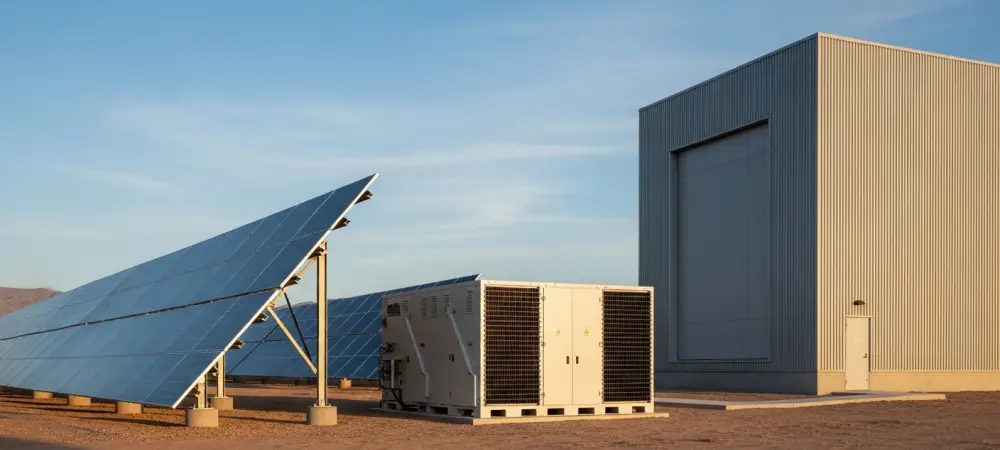
To safeguard operations in this volatile climate, organizations had to move toward a strategy of decentralized infrastructure and regional autonomy. This included diversifying data transit routes to avoid reliance on single subsea cables and investing in localized power solutions, such as microgrids or industrial-scale battery storage, to mitigate the impact of national utility failures. Furthermore, businesses began to adopt a geopolitical risk framework for data placement, evaluating the stability of host nations as rigorously as they evaluated their cybersecurity protocols.
By prioritizing physical security and environmental resilience alongside traditional IT measures, entities prepared themselves to withstand the unpredictable shocks of the modern digital era. The focus shifted toward building systems that could operate independently of a central grid or a single international gateway. Ultimately, the most successful actors were those who recognized that digital stability was a result of physical preparedness. They learned that in an age of volatility, the only way to ensure a connection was to own the power and the path that made it possible.