

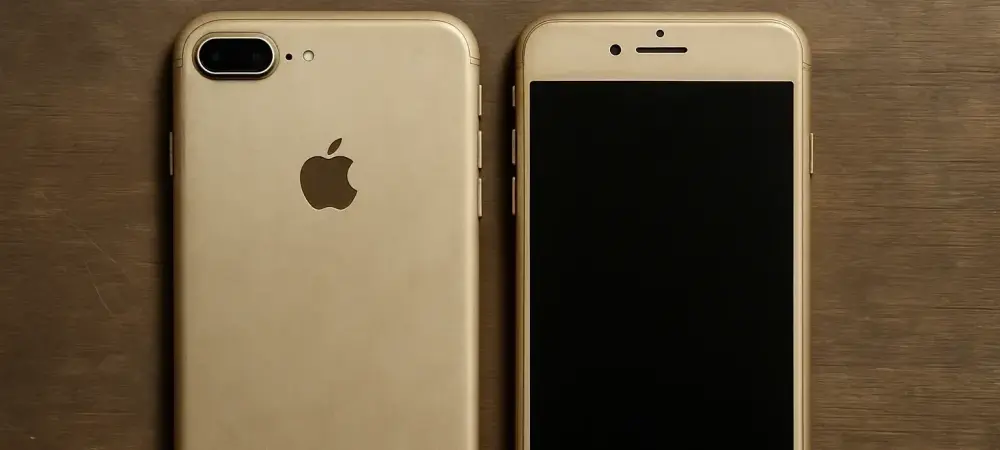
In a world where technology evolves at a breakneck pace, it’s not uncommon for once-cutting-edge devices to fade into the background, making way for newer innovations that promise enhanced features and performance. Apple, a pioneer in the tech industry, has recently updated its product classifications, marking the iPhone 8 Plus as vintage, a move that has sparked curiosity among users and tech enthusiasts alike. This decision comes just ahead of major product unveilings, highlighting the company’s strategic focus on future-forward hardware. The classification of a device as vintage isn’t merely a label; it carries significant implications for repair and support availability, affecting how long users can feasibly maintain their beloved gadgets. As Apple continues to push the boundaries with new releases, understanding the reasoning behind this shift offers valuable insight into the lifecycle of tech products and the balance between innovation and obsolescence.
Understanding Apple’s Vintage and Obsolete Policies
Apple’s approach to managing its product lifecycle is both methodical and transparent, ensuring that consumers are aware of the support timelines for their devices. The iPhone 8 Plus, first introduced in 2017, has now been added to the vintage list in its 64GB and 256GB variants, alongside the previously categorized Product RED edition. According to Apple’s policy, a product is deemed vintage when it hasn’t been sold for more than five but less than seven years. During this period, hardware support becomes limited, often dependent on the availability of parts. This classification reflects a gradual phasing out, as seen with the iPhone 8 and iPhone X from the same launch year, which were already marked as vintage earlier. Notably, the 128GB variant of the iPhone 8 Plus remains unlisted for now, suggesting a staggered approach to these updates. For many users, this shift signals a critical juncture where maintaining older devices might become increasingly challenging, pushing them toward newer models.
Impact on Users and Future Innovations
The broader implications of labeling devices like the iPhone 8 Plus as vintage extend beyond mere classification, directly influencing user experience and repair options. Alongside this smartphone, several MacBook models from 2015 to 2017, including the 11-inch MacBook Air and various MacBook Pro editions, have been marked as obsolete, meaning they’ve been out of sale for over seven years with no hardware support available. An exception exists for MacBook battery repairs, which may be offered for up to 10 years post-discontinuation, contingent on parts availability. This structured obsolescence, timed closely with major product launch events, underscores Apple’s focus on channeling resources into groundbreaking technologies. As newer devices are introduced, the company subtly nudges users to upgrade, ensuring they benefit from the latest advancements. Looking back, these updates serve as a reminder of the inevitable aging of technology, prompting consumers to consider timely transitions to maintain access to full support and cutting-edge features.