

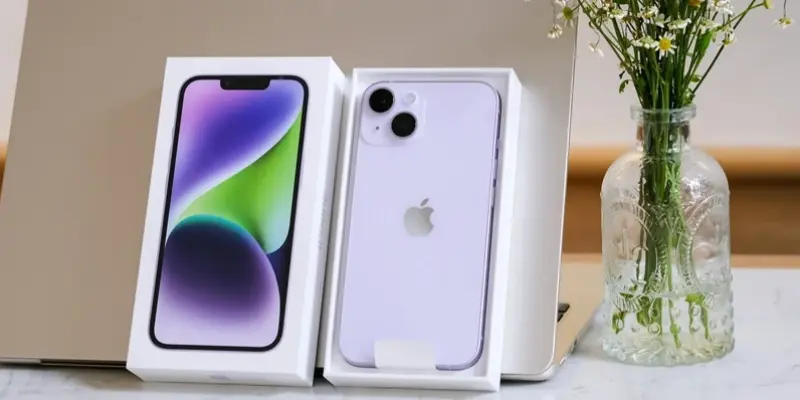
In an unexpected yet strategic move, Apple has announced the discontinuation of sales for certain iPhone models in the European Union and select other regions, responding to new regulations mandating the use of a common charger. This regulation, slated to take effect on December 28, propels Apple to phase out its iPhone 14, iPhone 14 Plus, and third-generation iPhone SE models that are still equipped with the proprietary Lightning port in favor of devices featuring the more universally adopted USB Type-C port.
Apple’s proactive steps towards compliance have already been initiated, as evidenced by the halt in listing these iPhone models on its website in Switzerland, a non-EU country. This broad adoption of the new regulation’s standards indicates Apple’s intent to align with the broader European common market, extending to non-EU nations such as Iceland, Liechtenstein, and Norway. This strategic move simplifies Apple’s operations while ensuring adherence to forthcoming regulatory standards across a wider geographic area.
This move epitomizes Apple’s transition toward standardizing its product line to comply with the EU’s common charger regulations. The shift from the Lightning port to the USB Type-C port is already reflected in newer models such as the iPhone 15 and iPhone 16, along with updated accessories like the AirPods Pro (2nd Gen) and AirPods Max. This transition is not just a response to regulatory pressure but also aligns with broader industry trends favoring standardization and increased interoperability between electronic devices and their accessories.
Interestingly, while Apple’s official sales channels in the EU will cease offering the older iPhone models equipped with the Lightning port after the December 28 deadline, resellers within the EU may continue selling their existing stock. Current reports also highlight Apple’s efforts in developing a new generation iPhone SE, which may feature advanced technologies like Face ID and an in-house modem chip, reflecting Apple’s commitment to innovation even amidst regulatory changes.
In conclusion, Apple’s adherence to the EU regulation marks a pivotal shift in its hardware ecosystem, ultimately leading to the phase-out of the Lightning port in favor of USB Type-C. Although necessitated by regulatory demands, this shift also resonates with industry-wide trends toward standardization. Apple’s proactive adjustments in its product lineup showcase its dedication to regulatory compliance while ensuring continuous innovation to meet consumer needs and global market demands.