

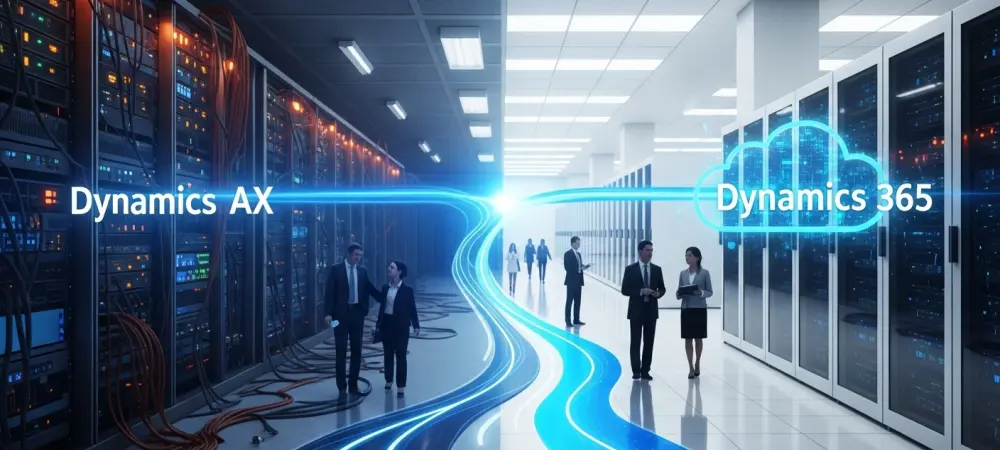
As organizations scale, the legacy systems that once fueled their rise can quietly transform into roadblocks. Dominic Jainy, an IT professional with deep expertise in artificial intelligence and modernization, has spent years helping enterprises navigate the transition from rigid legacy environments to agile, cloud-based architectures. In this conversation, we explore the subtle signs of “ERP tax,” the dangers of shadow systems, and how a phased approach to modernization can turn a stagnant infrastructure into a competitive advantage.
When month-end close relies on overtime and manual reconciliations, it creates an “ERP tax.” How does this administrative burden impact a leadership team’s ability to focus on strategy, and what specific metrics should executives track to determine if these workarounds have become a genuine threat to growth?
The “ERP tax” is a heavy drain on an organization’s most valuable resource: its intellectual capital. When a leadership team is buried in the granular details of ensuring the month-end close is accurate, they are effectively looking through the rearview mirror rather than steering the ship toward new opportunities. This burden manifests as a loss of agility, where decisions are delayed because the data isn’t ready or trusted. To measure this threat, executives should track the number of manual reconciliations performed outside the system and the total “human hours” required to finalize the close. If your team is consistently working late nights and weekends just to keep the lights on, your system has transitioned from an accelerator to a constraint.
Critical data often moves through manual exports and spreadsheets, leading to internal debates over which numbers are accurate. How do these “shadow systems” compromise institutional knowledge, and what steps are necessary to migrate those fragmented processes back into a single, governed operational backbone?
Shadow systems are incredibly dangerous because they trap institutional knowledge in the hands of a few individuals rather than embedding it within the organization’s infrastructure. When a key process lives in a specific person’s spreadsheet, that knowledge walks out the door if they leave the company. This fragmentation forces teams into circular debates about whose version of the truth is correct, stalling progress. To fix this, leadership must prioritize moving warehouse execution, pricing, and compliance workflows back into a governed environment like Dynamics 365. This involves auditing every spreadsheet-based workaround and systematically integrating those functions into a single cloud-based core that serves as the definitive source of truth.
Legacy systems often feature heavy customizations that make upgrades feel risky or prohibitively slow. When transitioning to a cloud-based core, how do you determine which unique processes provide real value versus those that should be standardized, and how does this shift improve long-term security?
The fear of breaking a highly customized environment often leads companies to defer upgrades for years, which creates a massive technical debt and heightens security risks. When modernizing, we differentiate between “competitive advantage” processes and “standard administrative” processes. If a customization is unique to your secret sauce—perhaps a specific proprietary pricing model—it’s worth preserving; however, standard financial or inventory functions should always be shifted to out-of-the-box workflows. Standardizing on a cloud-based core removes the “upgradability” bottleneck and ensures that security patches are rolled out automatically by the provider. This shift eliminates the vulnerability of running on outdated infrastructure and allows IT to focus on innovation rather than maintenance.
Modernizing a foundational enterprise system is often more successful when handled in phases rather than a single “big bang” implementation. Which high-impact areas, such as inventory accuracy or M&A readiness, typically provide the fastest return on investment, and how do these early wins help build organizational buy-in?
A “big bang” approach can be paralyzing, so we often recommend starting with the “friction points” that keep the CFO or COO awake at night. Inventory accuracy and M&A readiness are classic high-impact areas because they directly affect the bottom line and the company’s ability to scale. For example, by fixing inventory visibility first, you realize immediate cash flow improvements by reducing overstock and stockouts. These early wins provide the tangible evidence needed to convince skeptical departments that the new system works. When people see that a process that used to take days now takes minutes, the momentum for the rest of the rollout builds naturally, turning potential resistance into active support.
Shifting from historical reporting to real-time visibility allows teams to address what is changing now rather than what happened last month. How does integrating modern analytics and AI tools change daily decision-making for operations managers, and what specific workflows benefit most from this proactive automation?
Real-time visibility fundamentally changes the conversation from “What happened?” to “What should we do right now?” When operations managers use tools like Power BI and Copilot, they aren’t just reading reports; they are interacting with live data that predicts trends. Intercompany transactions, warehouse execution, and automated approvals benefit immensely from this proactive shift because the system handles the routine “firefighting” automatically. Instead of analyzing a mistake that happened three weeks ago, managers can adjust pricing or supply chain routes on the fly. This automation removes the guesswork and allows the team to operate with a level of precision that legacy systems simply cannot match.
What is your forecast for ERP modernization?
I believe we are entering an era where the ERP will no longer be viewed as a static database, but as a living, autonomous partner in business growth. Over the next few years, we will see the total disappearance of the “manual close” as AI-driven agents handle reconciliations in real-time, 24/7. Modernization will shift away from massive IT projects toward a model of continuous evolution, where new features and security layers are integrated seamlessly every month. Organizations that embrace this cloud-first, AI-integrated reality will be able to absorb new acquisitions and navigate market shifts with a level of speed that will leave their legacy-bound competitors struggling to catch up.