

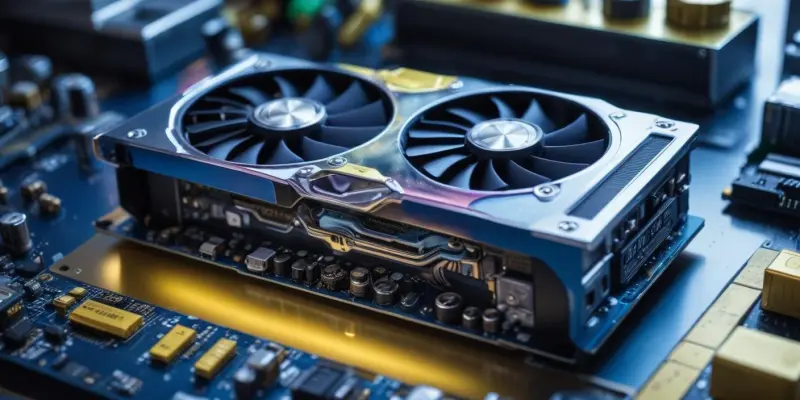
Nvidia’s RTX 5060 Ti graphics card experienced an astonishingly rapid sellout shortly after its release. This immediate disappearance from major retailers such as Amazon, Best Buy, Nvidia’s own store, and Adorama has raised numerous questions within the tech community. Intriguingly, even the 8GB version, which didn’t receive much review attention or significant marketing, quickly evaporated from the shelves. This phenomenon has sparked curiosity regarding whether consumers precisely knew what they were purchasing or if bots and scalpers played a significant role in driving the demand.
Various Factors Behind Its Initial Sellout
While Nvidia’s 50-series GPUs have historically faced issues like driver problems and hardware defects, the interest in these models remains strong. One of the major factors contributing to the swift sellout could be the card’s placement as a modest yet effective upgrade over its predecessor, the RTX 4060 Ti. According to tests conducted by PCMag, the 5060 Ti performs competitively, which might have swayed potential buyers looking for an efficient mid-range option without breaking the bank. The demand outstripped supply so vastly that it left many empty-handed within minutes of release.
Another aspect that might have influenced the rapid sellout is the typical behavior of bots and scalpers in the tech market. These automated systems and opportunists often scoop up new product releases in bulk to create artificial scarcity and resell them at inflated prices. The potential involvement of such entities suggests that not all buyers were regular consumers, further contributing to the quick depletion of stock. Additionally, given the variance in reviews and marketing efforts, it’s plausible that hyped anticipation combined with strategic purchasing may have accelerated the sellout process.
Regional Market Variances
Interestingly, the reception and subsequent availability of the RTX 5060 Ti have displayed regional differences that highlight divergent buying patterns. For instance, while it sold out rapidly in the United States, the situation in the UK’s market tells a different story. Several retailers in the UK continue to have the 5060 Ti in stock, indicating a more selective or reserved purchasing behavior among UK consumers. Similarly, reports from Germany reveal that Mindfactory, a major retailer, still had unsold 8GB versions of the card, further underscoring the disparate market responses. These regional differences suggest that the frenzy surrounding the RTX 5060 Ti might not be as global as initially perceived. It also brings to light the varied criteria consumers in different regions prioritize when making purchasing decisions. It is conceivable that factors like local economic conditions, cultural tendencies towards tech upgrades, and the presence of alternative solutions play a role in shaping these outcomes. For consumers managing to secure the 5060 Ti, it remains a solid mid-range option, though its MSRP stability remains uncertain, given the intense demand and rapid sellouts. In addition, the dynamics of product availability and consumer behavior point to broader trends within the tech industry. The fact that some regions have surplus stock while others face immediate sellouts could influence Nvidia’s future strategies in terms of regional allocation and marketing focus. By understanding these patterns, tech companies can better cater to distinct markets, and consumers can gain insights into the possible future availability and pricing of sought-after components.
Future Implications and Alternatives
Nvidia’s RTX 5060 Ti graphics card sold out at an unbelievably rapid pace right after it was released. This swift sellout from major retailers, including Amazon, Best Buy, Nvidia’s own online store, and Adorama, has stirred up numerous questions within the tech community. It’s particularly intriguing because even the 8GB version, which didn’t get much review attention or heavy marketing, also vanished nearly instantly from the shelves. This sudden demand has led to speculation about whether consumers actually knew in detail what they were buying or if the surge was primarily driven by bots and scalpers snapping up the inventory. There’s a growing curiosity about whether genuine tech enthusiasts were able to get their hands on the product or if automated purchasing methods overwhelmingly affected the supply. Moreover, this situation mirrors past instances with high-demand tech products, raising concerns about fair access and the ability of retailers to manage and prevent mass purchases by scalpers.