

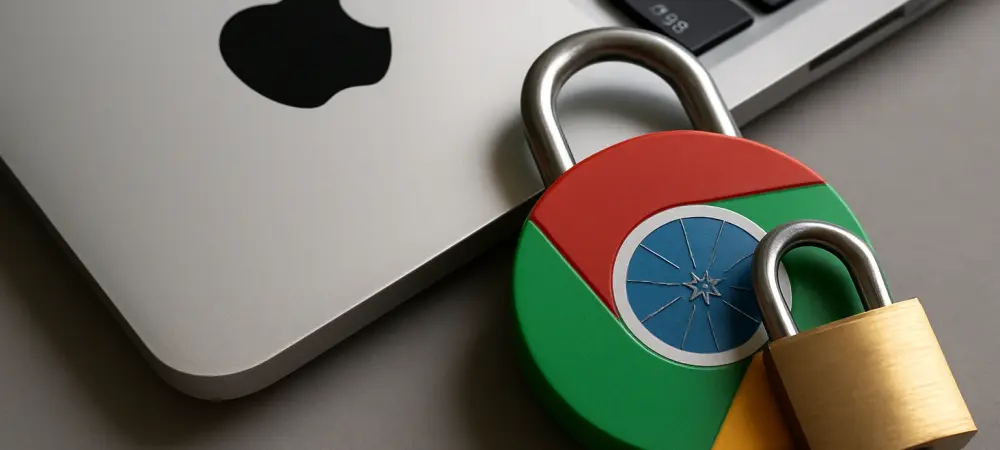
Imagine opening a seemingly harmless web page on your iPhone or Mac, only to unknowingly expose your device to a severe security breach. This scenario became a stark reality with the discovery of CVE-2025-6558, a zero-day vulnerability actively exploited in Google Chrome, which also threatened Apple’s ecosystem due to shared components. This critical flaw, carrying a CVSS score of 8.8, prompted an urgent response from Apple across its platforms. This roundup gathers perspectives from industry experts, security analysts, and tech commentators to explore why Apple acted so swiftly, the implications of cross-platform vulnerabilities, and actionable tips for users to stay protected in an interconnected digital landscape.
Unpacking the Urgency of the Security Update
What Makes CVE-2025-6558 So Dangerous?
Security analysts across the board have highlighted the alarming nature of CVE-2025-6558, stemming from improper input validation in the ANGLE and GPU components. This flaw allows attackers to execute a sandbox escape through malicious HTML content, potentially compromising entire systems. Many experts point out that the active exploitation in Chrome, as confirmed by Google, raises the stakes significantly, even if Apple users haven’t been directly targeted yet.
Another angle discussed is the high CVSS score of 8.8, which underscores the vulnerability’s severity. Commentators note that such a rating signals a clear and present danger, pushing companies like Apple to prioritize immediate action. The consensus is that delaying patches for such flaws could lead to catastrophic breaches, especially given the widespread use of web browsers in daily activities.
A third perspective focuses on the shared WebKit engine, which powers Safari and connects it to Chrome’s ecosystem. Industry observers emphasize that this shared codebase amplifies the risk, as a single flaw can ripple across multiple platforms. This interconnectedness, they argue, is a double-edged sword, offering efficiency but also demanding rapid, coordinated responses.
Why Did Apple Act So Fast?
Tech commentators commend Apple’s swift rollout of updates across iOS 18.6, iPadOS, macOS Sequoia 15.6, and other operating systems, covering devices from iPhone XS to Apple Vision Pro. Many see this as a reflection of a proactive stance, prioritizing user safety over waiting for confirmed attacks on their platforms. This approach, they suggest, sets a benchmark for responsible tech leadership.
Differing views emerge on the challenges of such a broad deployment. Some analysts highlight the logistical hurdles of ensuring updates reach diverse hardware and software environments, from Apple Watch to Macs. They argue that while the intent is commendable, execution can falter if users delay installing patches, leaving gaps in protection.
Another opinion centers on Apple’s reputation for security. Experts in cybersecurity forums note that acting quickly, even without direct evidence of exploitation on Apple devices, reinforces trust among users. This preemptive strategy, they believe, contrasts with more reactive approaches seen in other sectors, positioning Apple as a frontrunner in user-centric security measures.
Cross-Platform Vulnerabilities: A Growing Concern
How Shared Code Amplifies Risks
A recurring theme among security professionals is the role of open-source components like WebKit in creating interconnected risks. Many point out that while these shared codebases streamline development, they also mean a vulnerability in one browser can threaten others. This incident with CVE-2025-6558 serves as a prime example, linking Chrome and Safari in unexpected ways.
Some industry voices stress the global nature of software dependencies. They argue that variations in update adoption rates across regions can exacerbate risks, as unpatched systems remain vulnerable longer in certain areas. This disparity, according to their analysis, calls for more standardized approaches to patch distribution and user education.
A contrasting perspective warns against assuming isolated systems are safe. Several tech bloggers note that the domino effect of shared code means no platform is truly independent. They urge both companies and users to rethink security in terms of ecosystems rather than individual devices, advocating for a mindset shift toward collective defense.
Collaboration Between Tech Giants
Insights on Apple and Google’s partnership reveal a shared commitment to transparency and speed in addressing zero-day exploits. Many cybersecurity experts praise the joint effort to patch CVE-2025-6558, despite limited public details on the specifics of attacks. This collaboration, they argue, demonstrates a maturing industry response to complex threats.
Others compare this incident to previous zero-day responses, suggesting that while progress is evident, challenges remain. Some analysts express concern that as cyber threats grow more sophisticated, current strategies might struggle to keep pace. They call for deeper information-sharing protocols to enhance future defenses.
A third viewpoint looks at the potential for evolving frameworks. Commentators speculate that incidents like this could inspire more formalized alliances among tech leaders, fostering quicker threat identification and mitigation. Such partnerships, they believe, could redefine how the industry tackles vulnerabilities spanning multiple platforms.
Tips and Strategies for Staying Protected
Security blogs and forums offer a wealth of advice for users in light of this vulnerability. A common recommendation is to install updates like iOS 18.6 or macOS Sequoia 15.6 immediately, as delays could leave devices exposed. This urgency is echoed across sources, emphasizing that proactive updates are a user’s first line of defense.
Another tip gaining traction is enabling automatic updates on Apple devices. Tech advisors argue that this simple setting can bridge the gap between patch release and installation, reducing the window of vulnerability. They stress that many users overlook this feature, unaware of its critical role in maintaining security.
A final piece of guidance focuses on staying informed. Multiple sources suggest regularly checking Apple’s security advisories for the latest threat information and patch notes. Some also advocate for organizations to bolster security awareness training, ensuring employees understand the importance of timely updates in protecting both personal and corporate data.
Reflecting on a Unified Defense Against Digital Threats
Looking back, the collaborative response to CVE-2025-6558 by Apple and Google marked a significant moment in cybersecurity, showcasing how interconnected ecosystems demand unified action. The insights gathered from various experts and commentators underscored the urgency of rapid patches and the risks posed by shared code. Moving forward, users should prioritize immediate software updates and explore settings like automatic updates to minimize exposure. Additionally, keeping an eye on official security channels can provide early warnings of emerging threats. As digital landscapes continue to evolve, fostering a habit of vigilance and leveraging industry collaborations will be key to staying one step ahead of unseen dangers.