

Introduction
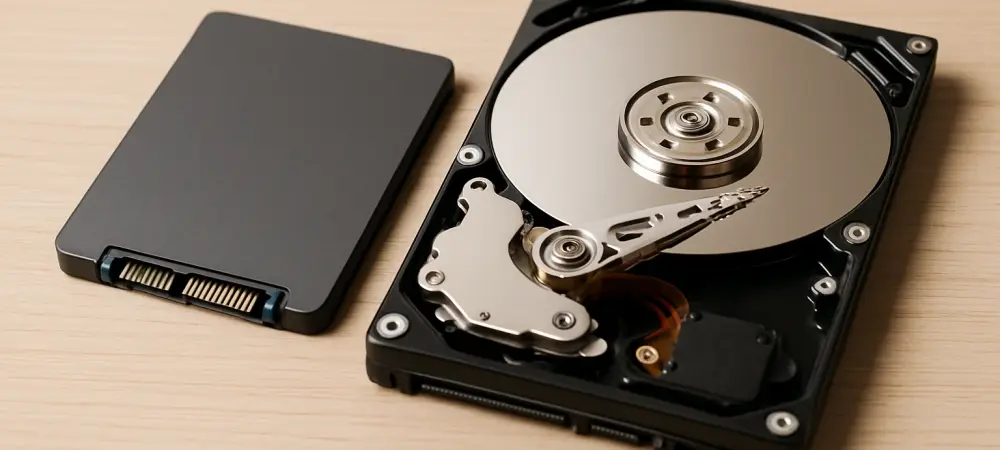
Imagine a world where the storage devices essential for gaming, creative work, and everyday computing suddenly become significantly more expensive, leaving consumers scrambling to secure upgrades before prices soar beyond reach. This scenario is unfolding in 2025 as the tech industry grapples with unprecedented demand for SSDs (Solid State Drives) and HDDs (Hard Disk Drives), driven by the explosive growth of AI data centers. The ripple effects of this demand are hitting gamers and professionals hardest, as they rely on high-capacity, high-speed storage for optimal performance.
The purpose of this FAQ is to address the pressing questions surrounding these price surges, offering clarity on the causes, impacts, and potential solutions. Readers can expect to gain a comprehensive understanding of the market dynamics at play, the role of AI in driving demand, and actionable advice on navigating the current landscape of storage solutions.
This article delves into the specifics of why prices are climbing, which consumer groups are most affected, and whether shortages are imminent. By exploring these topics, the goal is to equip readers with the knowledge needed to make informed decisions in a rapidly evolving tech environment.
Key Questions or Key Topics Section
What Is Causing the Surge in SSD and HDD Prices?
The primary driver behind the escalating prices of SSDs and HDDs is the soaring demand for NAND flash memory, a critical component in these storage devices, fueled by the needs of AI data centers. These centers require vast amounts of storage to handle training datasets and complex algorithms, putting immense pressure on manufacturers to ramp up production. Unlike previous price hikes caused by supply shortages, the current situation stems from an overwhelming increase in demand that is reshaping market dynamics.
Reports indicate that major manufacturers have already responded with price adjustments. For instance, Western Digital has issued notices of immediate price increases for HDDs, while companies like SanDisk have implemented a 10% hike on NAND components, and Micron is anticipated to raise prices by as much as 30%. This trend reflects a broader industry shift as companies struggle to balance supply with the unprecedented needs of AI infrastructure.
The significance of this issue lies in its widespread impact on various sectors, from enterprise solutions to individual consumers. As AI continues to expand into every facet of technology, the strain on storage resources is likely to persist, potentially leading to even steeper costs if demand outpaces production capacity in the coming years.
How Are Gamers and Creative Professionals Affected by These Price Increases?
For gamers and creative professionals, the rising costs of storage devices pose a significant challenge to maintaining peak performance in their respective fields. Gamers depend on SSDs for faster loading times and seamless file transfers, which are crucial for an immersive experience, especially with modern titles that often require high-speed storage to function properly. Similarly, creative professionals handling large files, such as video editors and graphic designers, rely on high-capacity drives to manage their workflows efficiently. The financial burden of these price surges, which could reach up to 30% in some cases, means that upgrading or expanding storage might soon become a luxury rather than a necessity. This situation could force many to delay essential purchases, potentially compromising productivity or gaming quality. The urgency to act before prices climb further is evident, as delays could result in even higher expenses down the line.
Beyond immediate costs, there is also the risk of limited availability if demand continues unabated. While SSDs have not yet gone completely out of stock during past market fluctuations, the volatility of the current environment suggests that proactive purchasing decisions could save significant hassle and expense for those most reliant on these technologies.
Are SSD and HDD Shortages Imminent Due to AI Demand?
While outright shortages of SSDs and HDDs are not widespread in 2025, the risk looms large if the current trajectory of AI-driven demand persists. The intense requirements of data centers for storage solutions are consuming a substantial portion of available NAND flash memory, which could eventually strain supply chains. Industry analyses suggest that prolonged high demand might lead to stock constraints, particularly if manufacturers cannot scale production quickly enough.
Historical patterns provide some reassurance, as even during previous NAND shortages, SSDs remained available, albeit at elevated prices. However, the unique nature of this demand spike—rooted in technological advancements like AI rather than mere supply disruptions—introduces a level of unpredictability that consumers and businesses alike must monitor closely. Staying informed about market trends could be key to anticipating potential disruptions.
For now, the focus remains on price increases rather than immediate scarcity. Yet, the possibility of future shortages underscores the importance of strategic planning, especially for those who depend on consistent access to storage solutions for their professional or personal needs.
Should Consumers Buy Storage Now to Avoid Future Price Hikes?
Given the current market indicators, purchasing storage devices sooner rather than later appears to be a prudent decision for many consumers. With manufacturers already implementing price increases and industry forecasts pointing toward further hikes, securing SSDs or HDDs at today’s rates could result in substantial savings. This advice is particularly relevant for gamers and professionals who cannot afford delays in upgrading their systems.
The benefits of early action extend beyond cost savings. Securing storage now also mitigates the risk of potential supply constraints that might emerge if AI demand continues to outstrip production capabilities. Whether considering portable SSDs, SATA drives, or specialized options for handheld gaming PCs, acting promptly ensures access to necessary tools without the added stress of inflated costs or limited availability.
Supporting this recommendation are industry reports highlighting the cyclical nature of storage price fluctuations, often influenced by external technological demands. By taking advantage of current stock levels and pricing, consumers position themselves to navigate the evolving market with greater confidence and financial ease.
Summary or Recap
This FAQ addresses the critical factors behind the rising prices of SSDs and HDDs, emphasizing the pivotal role of AI data center demand in driving these changes. Key insights include the immediate price adjustments by major manufacturers, the significant impact on gamers and creative professionals, and the looming risk of shortages if current trends persist. Each section provides a clear picture of how these market dynamics affect various consumer groups and what steps can be taken to mitigate the challenges. The main takeaway is the urgency for consumers to consider purchasing storage solutions now to avoid the brunt of anticipated price hikes. The discussion also highlights the superiority of SSDs for specific uses like gaming, where performance demands necessitate high-speed storage, reinforcing the need for timely upgrades. These points collectively underscore the importance of staying ahead of market shifts.
For those seeking deeper exploration, additional resources such as industry reports from reputable tech analysis platforms or manufacturer updates can offer further details on pricing trends and supply forecasts. Keeping abreast of these developments ensures a well-informed approach to managing storage needs in a rapidly changing landscape.
Conclusion or Final Thoughts
Reflecting on the insights shared, it becomes evident that the surge in SSD and HDD prices, driven by AI demand, has created a pivotal moment for consumers in 2025. The discussions around manufacturer actions, consumer impacts, and potential shortages paint a clear picture of a market under strain, urging immediate attention to storage needs. Looking ahead, a practical next step involves evaluating current storage capacities and prioritizing upgrades based on urgency and budget constraints. Exploring alternative solutions, such as cloud storage for non-critical data, also emerges as a viable strategy to complement physical drives during this period of uncertainty.
Ultimately, the situation prompts a broader consideration of how technological advancements like AI can reshape everyday tech accessibility. Consumers are encouraged to assess their reliance on high-performance storage and plan strategically, ensuring they remain equipped to handle both present demands and future innovations.