

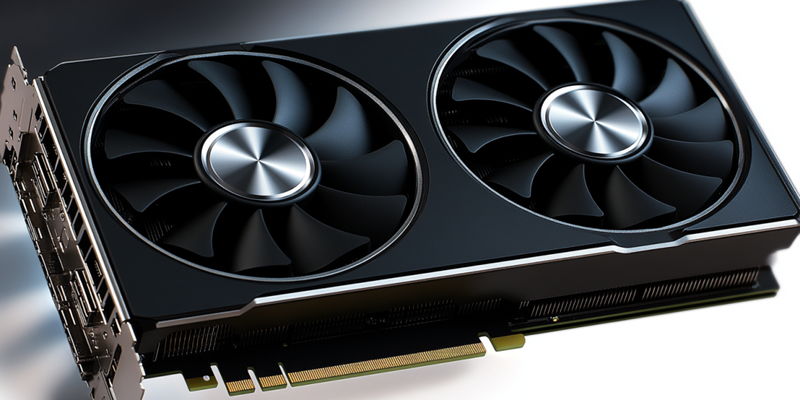
In a surprising turn of events, European retailers are listing NVIDIA’s new GeForce RTX 4070 GPUs with GDDR6 memory at higher prices than the older models featuring GDDR6X memory. This peculiar pricing trend has left many consumers scratching their heads, given that the performance differences between the two are minimal. Let’s delve into the various facets of this intriguing market behavior. Despite the minimal technical differences, these pricing discrepancies are quite marked in countries like Germany and Austria, catching the eye of tech enthusiasts and everyday consumers alike.
Market Price Discrepancies
NVIDIA’s GeForce RTX 4070 GDDR6 GPUs, while a newer release, are being sold at higher prices compared to their GDDR6X counterparts in certain European markets. This is particularly noticeable in regions like Germany and Austria, where discerning consumers have picked up on this anomaly. Typically, one would expect newer hardware versions, especially when they’re minimally different in terms of performance, to be priced similarly or lower.
The difference in pricing is quite stark. In Germany, for example, the prices for various editions of the RTX 4070 GDDR6 range between €562 and €614. In contrast, GDDR6X models, which are technically superior in memory speeds, are available for as low as €536.73. This discrepancy suggests a potential inefficiency in current pricing strategies employed by retailers. It raises questions about the rationale behind such decisions and whether they are driven by supply chain factors, marketing strategies, or a combination of both.
Performance Comparisons
To understand this pricing oddity, one must consider the technical differences between the GDDR6 and GDDR6X models. The most noteworthy distinction is the memory speed configuration. The GDDR6 variant clocks in at 20 Gbps, compared to 21 Gbps for the GDDR6X. Despite this difference, the performance disparity between the two is negligible at common gaming resolutions such as 1080p and 1440p.
Even at higher 4K resolutions, the performance gap is minimal. With such marginal differences in performance, it becomes challenging to justify the higher price tag for the newer GDDR6 models. Consumers paying a premium for these new models may not experience significantly enhanced gameplay or productivity benefits. Therefore, the perceived novelty of the GDDR6 models appears to be driving this price premium rather than any substantive improvement in user experience. This phenomenon indicates that consumers might be swayed more by the allure of “newness” rather than tangible advancements in technology.
Consumer Advice
For consumers pondering their next GPU purchase, the current pricing landscape might seem daunting. Given the minimal performance difference, the most sensible course of action would be to hold off on buying the newer GDDR6 models at their current higher prices. Historical trends suggest that as more GDDR6 units enter the market, and as retailers adjust to consumer demand, prices will likely decrease to more conventional levels.
Additionally, consumers should pay close attention to performance benchmarks and reviews rather than making purchasing decisions solely based on the novelty of a model. Given the competitive GPU market, prices are subject to fluctuation, and patience might yield a more cost-effective purchase in the near future. Savvy consumers should also consider that previous models like the RTX 4070 with GDDR6X memory can provide comparable performance at a lower cost, making such older models potentially more attractive bargains in the ever-evolving tech landscape.
Specific Pricing Data
If we delve into specifics, the price discrepancies become all the more glaring. For instance, the cheapest RTX 4070 GDDR6 model is the Palit GeForce RTX 4070 White OC 12GB GDDR6, priced at €562.07. Meanwhile, several GDDR6X models, which offer marginally better performance, can be found for less. This clearly highlights the inefficiencies in the current pricing strategies across these European markets. It’s evident that retailers might be banking on the fact that uninformed consumers may choose the newer model purely based on its release date, despite the lack of significant performance upgrades.
This situation poses a unique challenge for retailers, who must balance inventory levels with consumer demand while navigating the intricacies of GPU performance metrics. As consumers become more informed, the expectation is that these inefficiencies will correct themselves over time, aligning prices more closely with performance capabilities. Indeed, astute consumers can often force market shifts by exercising purchasing power judiciously, thereby prompting retailers to adjust their strategies.
Market Volatility and Expected Normalization
Several factors could be at play here. Supply chain dynamics may be influencing the higher prices, as logistical challenges and production costs fluctuate. Additionally, marketing strategies could be aimed at positioning the new models as premium products, even if their performance gains are not substantial. Retailers may also be capitalizing on the buzz surrounding new releases, knowing that early adopters are often willing to pay a premium. Regardless, this trend highlights the complexities of tech pricing and consumer perceptions.