

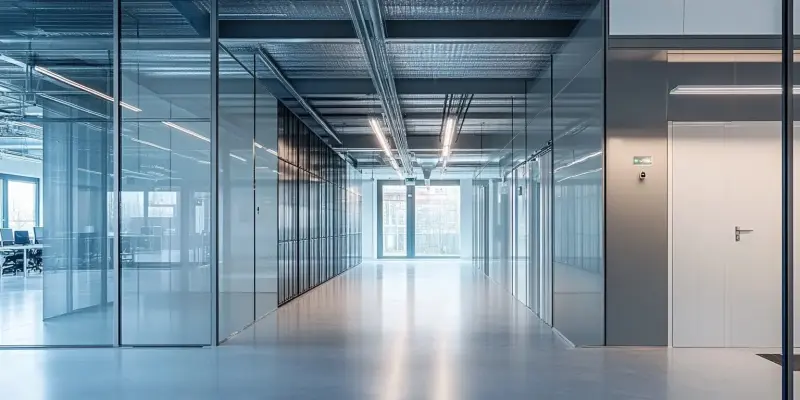
The digital age, driven by artificial intelligence (AI), has sparked a modern gold rush centered around the development and expansion of data centers. These critical infrastructures form the backbone of the AI industry, and their success hinges on being resilient, scalable, and energy-efficient to meet future demands. As the demand for AI grows, so does the necessity for robust data centers capable of supporting the increasing computational requirements. This has led to a significant surge in investment as stakeholders recognize the immense potential and importance of sustainable data centers in the evolving technological landscape.
The AI Boom and Its Impact on Data Centers
The surge in AI and related technologies has elevated data centers to high-value investment targets. Investors recognize the lucrative potential in energy-efficient solutions that promise substantial returns despite the significant initial investment. With AI applications becoming more pervasive across industries, the need for efficient and powerful data processing has driven the demand for advanced data center infrastructure. Moreover, the evolution of AI technologies demands rapid adaptability and upgrading of data centers, ensuring they remain at the cutting edge of performance and efficiency.
In the early 2000s, the main criteria for data center placement were high-speed optical connections and community proximity. Today, the focus has shifted to energy availability, driven by the power demands of AI technologies and power-hungry chips. The shift highlights the importance of not just connectivity but also the sustainable and reliable energy sources needed to run these data-heavy operations. This evolution is a testament to how technological advancements directly impact infrastructure requirements and investment strategies, making the integration of energy-efficient solutions essential for future-ready data centers.
Projected Growth and Energy Demands
Forecasts highlight the exponential growth in data center demand. Goldman Sachs projects a 165% increase to 122 gigawatts (GW) by 2030, while McKinsey predicts a bolder 300% rise to 219 GW. The consensus is clear: data center demand and energy needs will surge. This projected growth underscores the necessity for scalable and sustainable infrastructure to meet burgeoning energy requirements. The increasing reliance on data-driven decision-making and automation across sectors only amplifies this demand, making data centers the linchpin of the digital economy.
In the U.S., data centers could account for 6.7% to 12% of total electricity consumption by 2028, up from 4.4% in 2023. This expected growth could more than double carbon dioxide emissions from U.S. data centers, raising significant environmental concerns. As data centers expand, the pressure to adopt green practices and reduce carbon footprints becomes paramount. This is where the role of investors becomes crucial in supporting sustainable technologies that can mitigate environmental impact while catering to the ever-growing power needs of next-generation data centers.
Emergence of New Technologies
Innovations from companies like DeepSeek, which offer efficient AI products requiring less training and fewer chips, introduce variables in predicting data center growth and energy needs. The impact of these efficiencies remains to be seen, but they present both opportunities and challenges. On one hand, enhanced efficiency can reduce energy consumption; on the other, it may drive higher demand as AI applications become more accessible and widespread. These developments emphasize the dynamic nature of the data center industry and the continuous need for innovation to balance growth with sustainability.
Investment in data centers is on the rise, with annual capital expenditures at approximately $300 billion. The Stargate project in the U.S. plans $500 billion in AI infrastructure investments over four years, and Europe’s AI Champions Initiative will allocate €50 billion towards AI development. These substantial financial commitments reflect the confidence in the sector’s potential and the recognition of its critical role in powering the AI revolution. As investment streams in, the focus on integrating pioneering technologies and sustainable practices will determine the long-term viability and success of these massive infrastructures.
The Push for Clean Energy Solutions
Given the escalating power requirements, the development of innovative and clean energy solutions for data centers is urgent. Supporting clean-tech start-ups and entrepreneurs is crucial for the long-term viability of digital infrastructure. The commitment to clean energy initiatives not only addresses environmental concerns but also ensures a sustainable supply chain for the burgeoning data demands. By fostering innovation in clean energy technologies, the data center industry can achieve critical sustainability goals while maintaining operational excellence.
Emerging technologies, such as energy storage, heat recovery systems, microgrids, alternative generation methods, and AI-driven energy optimization, are key to sustainable data centers. Supercapacitors, offering ultra-fast charging and discharging cycles, have become transformative. These technologies collectively ensure a more sustainable and energy-efficient operation, addressing the critical need for uninterrupted and reliable power sources. The implementation of these solutions reflects a proactive approach to mitigating the environmental impact of data centers while enhancing their performance and reliability.
Enhancing Energy Management
The integration of backup battery systems with renewable energy sources is vital for balancing fluctuations in renewable production and ensuring a stable supply. Heat recovery systems, which recycle and redistribute excess heat, can improve internal efficiency or provide heating for nearby districts. These systems exemplify the innovative strategies being employed to maximize energy utilization and efficiency. By leveraging cutting-edge technologies, data centers can achieve substantial energy savings while contributing positively to environmental sustainability efforts.
Off-grid power solutions, like ocean energy, offer renewable options for continuous base load generation. Data centers are entering direct Power Purchase Agreements with renewable energy producers to secure sustainable energy supplies. These agreements signify a strategic shift towards green energy solutions, ensuring a consistent and eco-friendly power supply. By adopting renewable energy sources and integrating advanced energy management systems, data centers can significantly reduce their carbon footprint and contribute to global sustainability goals.
The Role of AI in Energy Optimization
The digital era, fueled by artificial intelligence (AI), has incited a contemporary gold rush focused on the creation and expansion of data centers. These essential infrastructures serve as the backbone of the AI sector. The successful operation of data centers depends on their ability to be resilient, scalable, and energy-efficient in order to meet future demands. As the demand for AI continues to grow, the necessity for sturdy data centers capable of handling increasing computational demands also rises. This escalating demand has prompted a substantial spike in investments as stakeholders recognize the tremendous potential and critical significance of developing sustainable data centers in the rapidly advancing technological landscape. Investing in data center infrastructure is seen as crucial for supporting the continuous growth and innovation within the AI industry, highlighting their pivotal role in shaping the future of technology. As technology evolves, ensuring these centers are robust and efficient remains a top priority for supporting future needs.