

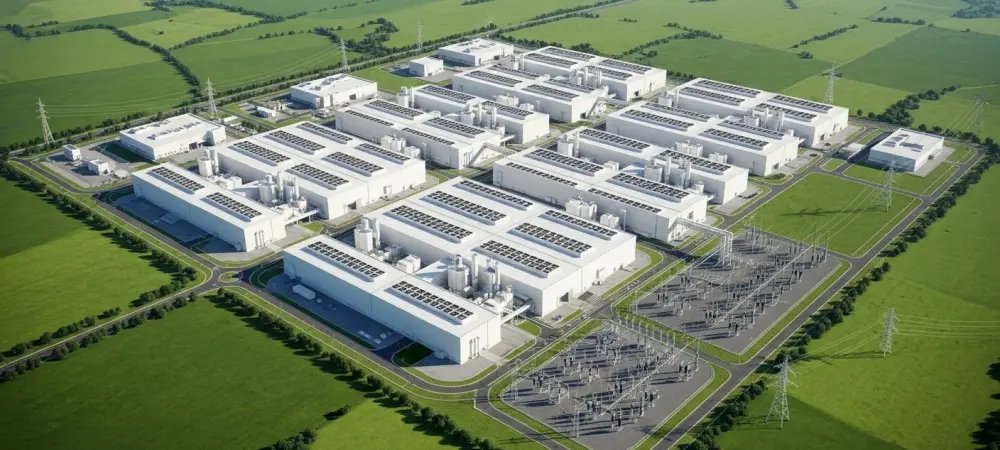
Massive surges in global data consumption have forced the invisible architecture of the web to transform from disparate servers into sprawling, multi-billion-dollar industrial complexes. Hyperscale data centers are no longer just storage facilities; they are the critical engines powering everything from remote work to artificial intelligence. This analysis explores the rapid expansion of cloud infrastructure, using Microsoft’s recent developments in Virginia as a primary case study to illustrate broader industry shifts, expert perspectives, and the future of digital scalability.
Analyzing the Momentum of Global Cloud Infrastructure
Driving Factors and the Surge in Capacity Demand
Current data capacity within regional networks is reaching exhaustion at a staggering speed due to shifting consumer behaviors. This deficit stems from teleworking and high-fidelity online gaming becoming permanent lifestyle fixtures that require massive, uninterrupted bandwidth. The transition toward massive cloud storage necessitates a shift toward hyperscale facilities that provide significant compute power. These centers ensure the next generation of digital services can function without the latency issues that previously plagued smaller, decentralized server rooms.
Strategic Implementation: Microsoft’s Southern Virginia Expansion
A prominent example of this strategy is the development of a 490-acre site in Mecklenburg County, featuring three new single-story data center buildings. This expansion integrates with the existing AVC17 campus to create a specialized node for Azure and government cloud zones. The project utilizes a phased construction timeline from 2026 to 2031 to ensure capacity stays ahead of demand curves. By building in stages, the infrastructure remains adaptable to the rapid technological advancements that emerge during the lengthy development cycle.
Industry Perspectives on Large-Scale Digital Scaling
Infrastructure leaders emphasize that regional hubs are essential for maintaining low latency and high operational efficiency. Without these localized concentrations of power, the delay in data transmission would hinder the performance of modern, real-time industrial applications.
Experts highlight that long-term regional commitments, such as the investments in Boydton, are vital for securing resource stability. Specialized cloud zones also meet the rigorous security needs of global government entities, providing a blueprint for public-private technological integration.
The Evolution and Long-Term Impact of Cloud Scaling
Potential developments suggest a move toward self-sustaining data center campuses equipped with dedicated water storage and independent power grids. These innovations aim to reduce the strain on public utilities while ensuring that critical data services remain online.
This concentration of infrastructure transforms local regions into critical nodes of the global digital economy. While this brings investment and technological literacy to rural areas, it necessitates careful land use and resource management to mitigate the environmental impact of physical expansion.
Synthesizing the Future of Hyperscale Connectivity
The primary drivers of this cloud era—from behavioral shifts to strategic regional expansion—defined a new standard for connectivity. Stakeholders recognized that hyperscale infrastructure was the only viable backbone for modern industrial operations, reinforcing that the digital lifestyle depended on physical scale.
Regional leaders prioritized technological literacy as a direct response to these infrastructure shifts. The integration of data centers into rural landscapes provided a roadmap for future industrial transitions, ensuring that sustainable investment met the world’s burgeoning data appetite.