

In the ever-evolving landscape of digital infrastructure, Virginia stands as a titan, hosting the world’s largest concentration of data centers, yet a seismic shift is underway as developers pivot from the saturated hubs of Northern Virginia to emerging regions like King George County. With Oasis Digital Properties securing approval for a massive 1.2-gigawatt campus spanning 485 acres in Dahlgren, the question arises: what drives this migration, and what does it signal for the broader market? This analysis delves into the trends, economic forces, and competitive dynamics reshaping Virginia’s data center industry. By examining current patterns and projecting future growth, the goal is to uncover strategic insights for stakeholders navigating this transformative era of digital expansion.
Market Trends: Decentralization Takes Center Stage
Virginia’s data center market, long anchored in Northern Virginia’s “Data Center Alley,” is witnessing a notable decentralization trend. Loudoun County, a powerhouse in this sector, continues to generate hundreds of millions in tax revenue annually, with equipment taxes alone projected to reach $795 million by 2026. However, the density of facilities in this region has sparked significant challenges, including environmental concerns and overburdened infrastructure. As a result, developers are seeking alternative locations to mitigate risks and capitalize on untapped opportunities. King George County, previously outside the spotlight, emerges as a prime candidate with its vast land availability and lower operational costs, marking a strategic pivot in market dynamics.
This shift isn’t merely geographic but reflects a broader response to market saturation. Northern Virginia’s dominance, while still formidable, faces headwinds from community resistance and political scrutiny, pushing companies to explore rural counties. Oasis Digital Properties, for instance, isn’t limiting its footprint to King George County; plans are underway for additional campuses in Russell, Wise, and Greensville Counties. Such diversification highlights a growing preference for less contested markets, where approval processes are often smoother and local support is more attainable. This trend suggests a fundamental reshaping of how data center growth is planned and executed across the state.
The competitive landscape further amplifies this movement, as multiple players vie for space in emerging regions. In King George County alone, Potomac Development Group has floated proposals for a comparable campus, while Amazon faces hurdles with a rejected bid currently under review. This flurry of activity underscores both the allure and complexity of new markets—while opportunities for expansion abound, navigating local politics and rival interests remains a critical challenge. The market is clearly adapting, with decentralization becoming not just a strategy but a necessity for sustained growth.
Economic Drivers and Local Impact Analysis
A key factor fueling the migration to King George County lies in the economic benefits these projects promise. Oasis Digital Properties projects that its Dahlgren campus, featuring 10 buildings and 6.8 million square feet of space, will create 1,500 construction jobs during development and sustain 50 to 60 full-time roles per building once operational. Beyond employment, the anticipated tax revenue of $100 million to $120 million annually represents a transformative boost for a county with a historically rural economic base. This financial injection could fund critical infrastructure upgrades and public services, positioning the region as a new economic hub.
However, these benefits come with substantial demands on local resources. Significant investment is required to bolster power grids and transportation networks to support a 1.2-gigawatt facility. Unlike Northern Virginia, where infrastructure is already robust, King George County must bridge considerable gaps to meet industrial needs. This disparity presents both a hurdle and an opportunity—counties that successfully adapt could attract further investment, while those unprepared risk stalling growth. The balance between economic gain and logistical readiness remains a pivotal concern for market stakeholders.
Moreover, the contrast with Northern Virginia’s diminishing returns on community goodwill adds another layer to this economic narrative. While Loudoun and Prince William Counties have reaped rewards from data centers, local opposition over noise, water usage, and environmental impact has grown. King George County, with fewer existing facilities, offers a relatively blank slate for developers to build trust through job creation and revenue promises. Yet, the long-term sustainability of this model hinges on proactive planning to prevent the same backlash seen in more developed areas, a factor that could shape market perceptions and investment decisions moving forward.
Community and Political Forces Shaping the Market
The pushback in Northern Virginia serves as a critical driver behind the market’s geographic shift. In regions like Prince William County, resident-led lawsuits have led to significant setbacks, such as the revocation of zoning for the Digital Gateway project. Concerns over ecological degradation, resource strain, and quality of life have galvanized communities, while elected officials face mounting pressure to prioritize local interests over corporate expansion. This evolving political climate has created a less hospitable environment for data center projects, prompting developers to seek friendlier territories.
King George County, by comparison, presents a less contentious backdrop. With a smaller population and a stronger appetite for economic development, the area offers a reprieve from the intense scrutiny faced in more urbanized zones. However, this advantage is not without risks—local sentiment could shift if infrastructure struggles emerge or environmental impacts become evident. Developers must navigate these potential fault lines carefully, as community acceptance remains a cornerstone of project viability in any market. The lesson from Northern Virginia is clear: early engagement and transparency are essential to maintaining support.
Additionally, state-level policies and regulatory frameworks are beginning to influence where and how data centers expand. There is growing discussion around zoning restrictions and incentives aimed at steering growth toward underserved regions. Such measures could accelerate the decentralization trend, reshaping the competitive landscape over the next few years. For now, areas like King George County benefit from a relative lack of regulatory friction, but as more projects take root, policymakers may introduce tighter controls, a development that could redefine market entry barriers and operational costs.
Future Projections: Sustainability and Growth Trajectories
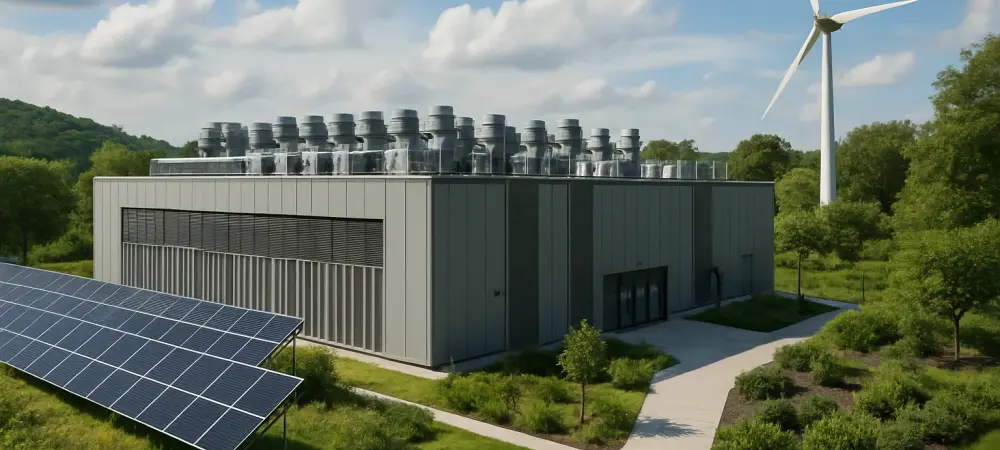
Looking ahead, Virginia’s data center market is poised for continued evolution, with sustainability emerging as a defining theme. Developers are increasingly investing in renewable energy solutions and water-efficient cooling technologies to address environmental concerns that have plagued Northern Virginia. These innovations could become differentiators in securing approvals and community buy-in, particularly in emerging markets like King George County. Projections suggest that over the next two years, from 2025 to 2027, adoption of green practices will rise sharply as a response to both regulatory pressures and public expectations.
Growth trajectories also point to an acceleration of decentralization, with rural counties expected to capture a larger share of new data center investments. Industry forecasts indicate that while Northern Virginia will retain its status as a global hub, its growth rate may slow as developers diversify their portfolios. King George County and similar regions could see a surge in activity, provided infrastructure keeps pace with demand. This redistribution of investment offers a chance to balance economic development across the state, though it requires coordinated efforts between local governments, utility providers, and private entities.
A final projection centers on the competitive intensity within new markets. As more players enter regions outside traditional hubs, differentiation through strategic partnerships and modular design will become critical. Companies that can adapt to local conditions—whether through scalable infrastructure or community-focused initiatives—stand to gain a foothold. The market is likely to see a blend of collaboration and rivalry, with outcomes hinging on how well stakeholders anticipate and address the unique challenges of less developed areas. This dynamic promises to shape the industry’s direction for years to come.
Reflecting on Market Insights and Strategic Pathways
Looking back, the analysis of Virginia’s data center market revealed a pivotal transition, as developers moved away from Northern Virginia’s saturated landscape toward emerging regions like King George County. The economic promise of projects like Oasis Digital Properties’ Dahlgren campus, coupled with community and political pressures in established hubs, underscored the necessity of decentralization. Sustainability emerged as a critical factor, alongside the need for robust infrastructure to support growth in rural areas.
For stakeholders, several strategic pathways stood out as actionable next steps. Developers were encouraged to prioritize early community engagement and invest in green technologies to preempt opposition and align with regulatory trends. Local governments in emerging markets needed to focus on strategic planning, leveraging state partnerships to fund infrastructure upgrades without overextending resources. Businesses eyeing investment in regions like King George County had to account for longer timelines in building connectivity, while capitalizing on lower costs as a competitive edge. These considerations offered a roadmap for navigating the complexities of a shifting market, ensuring that growth and community needs could coexist in Virginia’s digital future.