

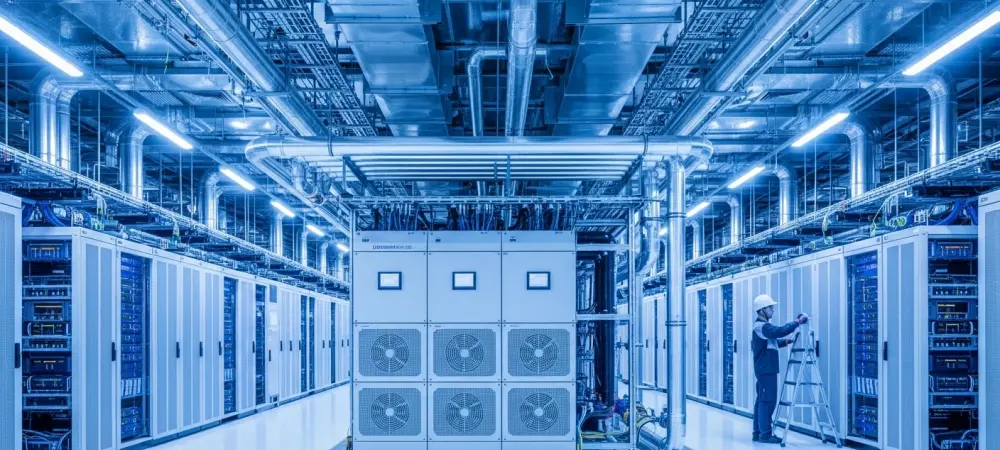
A sprawling 96-acre former textile mill in North Carolina is becoming the epicenter of a tectonic shift in the technology landscape, where the brute force of cryptocurrency mining is being repurposed to power the sophisticated brains of artificial intelligence. This transformation is not an isolated experiment but a calculated, multi-million-dollar strategic pivot, signaling a profound realignment in the world of digital infrastructure. The convergence of crypto’s power-hungry hardware expertise with AI’s insatiable demand for computation is creating a new class of data center titans from the most unlikely of origins.
What an 865 Million Dollar AI Bet Signals About the Future of Tech
A landmark ten-year deal valued at $865 million serves as the most potent evidence of this industrial metamorphosis. In this agreement, “neocloud” provider Nscale has committed to leasing an initial 40 megawatts of capacity from WhiteFiber’s forthcoming NC-1 data center, with an option to double that to 80MW. This is not merely a real estate transaction; it represents a massive capital bet on the enduring demand for high-performance computing (HPC) infrastructure, financed by companies that once focused exclusively on digital currencies.
The entities behind this monumental deal both have roots deeply embedded in the cryptocurrency sector. WhiteFiber is the HPC-focused subsidiary of Bitcoin mining firm Bit Digital, while Nscale was spun out of another cryptomining company, Arkon Energy. Their partnership underscores a broader trend: the core competencies developed for mining crypto are now seen as invaluable assets in the race to build the foundational infrastructure for artificial intelligence.
How AIs Insatiable Demand for Power Created a New Gold Rush
The explosive growth of AI has created an unprecedented hunger for electricity and specialized cooling, a challenge that conventional data centers are struggling to meet. Generative AI models and other advanced workloads require densely packed racks of powerful GPUs that consume energy at a staggering rate. This has opened a lucrative opportunity for companies already accustomed to operating at the frontier of energy-intensive computing.
This shared need for massive-scale power has forged an unlikely alliance between the volatile world of cryptocurrency and the corporate giants of AI. Crypto miners are masters of securing large power purchase agreements, managing extreme heat loads, and rapidly deploying infrastructure in remote locations. These skills are perfectly transferable to serving the needs of hyperscale clients like Microsoft and OpenAI, which are the ultimate customers for the compute capacity Nscale will provide.
The Crypto to Cloud Pivot A Strategic Breakdown
The fundamental business model is shifting from mining rigs to AI superclusters. Instead of using computational power to solve cryptographic puzzles for a reward, these firms are now leasing that same class of infrastructure as a service. This represents a move away from a speculative, commodity-driven market toward a more stable, service-oriented revenue stream based on long-term contracts with cloud and AI companies.
A natural synergy exists between the old and new business models. The expertise required to build and operate a profitable crypto mining farm—negotiating complex energy contracts, engineering high-density cooling solutions, and managing rapid construction timelines—is precisely what is needed to build the next generation of AI data centers. These firms are not starting from scratch; they are leveraging a battle-tested operational foundation.
The partnership between WhiteFiber and Nscale is a case study in action. The NC-1 facility is being constructed on a former industrial site in North Carolina, a strategic redevelopment designed to harness existing power infrastructure. With an initial 99MW of power scalable to 200MW, the project is engineered specifically for the demands of hyperscale AI workloads, and Nscale’s anchor tenancy validates this forward-thinking approach.
Validating the Vision Through Industry Investments
For companies like Bit Digital, this pivot is a powerful de-risking strategy. The notorious volatility of cryptocurrency markets creates an unstable financial environment. In contrast, securing a ten-year, $865 million lease provides a predictable and robust revenue stream, insulating the business from the unpredictable price swings of Bitcoin and other digital assets.
Moreover, this deal serves as a blueprint for the future of hyperscale AI infrastructure. It validates a new model where specialized facilities are custom-built for the extreme density requirements of AI clients. This approach of engineering data centers specifically for AI workloads, rather than retrofitting existing designs, is now being proven as a viable and highly profitable strategy, attracting significant institutional investment.
The Playbook to Repurpose a Mining Operation for AI
The first and most critical step in this playbook is to secure power-rich real estate. This often involves acquiring and redeveloping former industrial sites, such as factories or mills, that are already connected to high-capacity electrical grids. Once a site is secured, the infrastructure must be engineered for a new kind of demand, adapting power distribution and implementing advanced cooling systems to handle the thermal density of modern GPU clusters.
With the physical infrastructure planned, the focus shifts to forging strategic partnerships. Establishing early-stage agreements with “neocloud” providers and major tech clients is essential to anchor the project, guarantee tenancy, and justify the massive capital expenditure required. This strategy is often complemented by a hybrid global expansion, balancing the construction of proprietary data centers with leasing capacity from others to scale quickly and meet demand across different regions.
The transformation of crypto mining operations into AI data centers marked a definitive response to the technological demands of the era. What began as a strategic pivot for a few pioneers became a validated playbook for creating stable, long-term value from energy-intensive infrastructure. This evolution demonstrated not only the adaptability of the digital infrastructure market but also cemented the critical link between power availability and the future of artificial intelligence.