

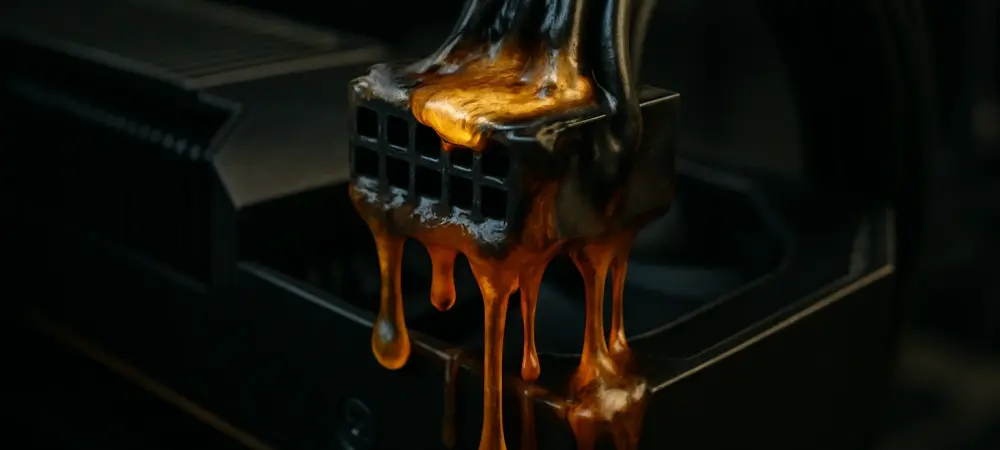
In the fast-evolving world of high-performance computing, a disturbing trend has emerged that threatens to undermine the reliability of cutting-edge graphics cards, specifically the Radeon RX 9070 XT, a GPU celebrated for its balance of power and efficiency in gaming and professional workloads. Reports of melting 16-pin power connectors on premium models from manufacturers like ASRock and Sapphire have sent ripples through the tech community, raising alarms about the safety and dependability of modern power delivery systems. This issue, tied to the 12VHPWR or 12V-2×6 connector, isn’t just a minor glitch; it points to deeper concerns about whether this new standard can handle the demands of today’s GPUs. As users push their hardware to the limits with intensive tasks, the recurring failures of these connectors have sparked debates over design flaws, user setups, and industry readiness for such advanced technology. This troubling phenomenon demands a closer look into the specific incidents, underlying causes, and broader implications for GPU enthusiasts and professionals alike.
Digging Into Reported Failures
The first notable incident that brought this issue to light involved the ASRock Radeon RX 9070 XT Taichi OC, a high-end model tailored for enthusiasts seeking top-tier performance. During regular use, the 16-pin connector on this GPU reportedly melted, causing significant concern among users who invest in premium hardware expecting flawless operation. While specifics about the user’s setup remain scarce, this case served as an early indicator of potential vulnerabilities in the power delivery system. The fact that a GPU with a relatively moderate power draw of around 300-350W could suffer such a critical failure suggests that the problem may not be tied solely to excessive load, but rather to how power is managed and distributed through the connector. This incident quickly became a topic of discussion in tech forums, with many questioning whether the design of the 16-pin connector is inherently flawed or if external factors played a significant role.
A more recent case, shared by a user on social media platforms, highlighted a similar issue with the Sapphire Radeon RX 9070 XT Nitro+ edition, another premium variant of this GPU lineup. This user had to resort to a 3x 8-pin to 12VHPWR adapter due to their power supply unit lacking a native 16-pin connection, a common scenario given the slow adoption of the new standard by PSU manufacturers. Despite the GPU operating within a power range of 300-350W, with a slight increase to 360W under a modified power limit, the connector still succumbed to heat and melted. This failure at such a manageable power level raises serious red flags about the reliability of adapters in maintaining stable power delivery. Unlike GPUs with much higher thermal design power (TDP), the RX 9070 XT should theoretically pose less risk, making this incident a stark reminder that the issue transcends raw power consumption and points to deeper systemic challenges in the connector’s implementation.
The Role of Adapters in Connector Issues
One of the recurring factors in these melting incidents is the reliance on adapters rather than native 16-pin cables, a necessity for many users whose power supplies haven’t yet adopted the newer standard. These 3x 8-pin to 12VHPWR adapters are often seen as a stopgap solution, but they appear to introduce significant risks, particularly in terms of load balancing across the connector’s pins. Uneven distribution of power can lead to localized overheating, which likely contributes to the melting seen in reported cases. For the RX 9070 XT, which doesn’t demand the extreme wattage of some flagship GPUs, this vulnerability is especially concerning as it suggests that even moderate power levels can overwhelm the adapter setup. The heat buildup at the connection point becomes a critical failure mode, one that users may not anticipate given the GPU’s relatively modest energy requirements compared to other high-end models on the market.
It’s worth noting that the majority of RX 9070 XT variants have sidestepped the 16-pin connector entirely, with many manufacturers opting to retain the traditional 3x 8-pin configuration, a design known for its stability over years of use. However, certain premium models from ASRock and Sapphire embraced the newer 16-pin standard, perhaps as a forward-looking move to align with emerging industry trends. Unfortunately, this decision has backfired as both brands have now encountered documented failures with their implementations. This contrast between models using different power connectors on the same GPU lineup underscores a hesitancy within the industry to fully commit to the 16-pin design. It also highlights a potential mismatch between innovation and practical reliability, suggesting that while the intent behind adopting new technology is commendable, the execution may still require significant refinement to ensure safety and performance under real-world conditions.
Broader Industry Implications
Looking beyond the RX 9070 XT, the issue of melting 16-pin connectors casts a shadow over the broader GPU landscape, affecting even the most powerful cards on the market, such as Nvidia’s RTX 5090 with its staggering TDP of 575-600W. This recurring problem across different brands and power ranges indicates a systemic challenge with the 12VHPWR standard, particularly in how it manages heat dissipation and sustained power delivery during intensive workloads. The design of the connector, intended to support the escalating demands of modern graphics cards, seems to struggle under certain conditions, whether due to inherent flaws or inconsistent manufacturing quality. As GPUs continue to push boundaries with higher performance requirements, the reliability of power delivery systems becomes paramount, and these failures expose a gap between ambition and execution in adopting cutting-edge connector technology.
While it’s tempting to attribute some of these failures to user error—such as improper installation, loose connections, or the use of substandard adapters—the sheer number of incidents suggests that the connector itself bears part of the responsibility. Even at the RX 9070 XT’s power draw of 300-360W, which is far below the extremes seen in other high-end GPUs, the system should be robust enough to prevent catastrophic failures like melting. This persistence of issues across varying power levels points to a need for reevaluation of the 16-pin standard, whether through improved design, stricter testing protocols, or better guidelines for integration with existing hardware. The industry must address these concerns swiftly to maintain consumer confidence, as repeated failures risk undermining trust in both the new connector technology and the GPUs that rely on it for safe, efficient operation.
Guidance for GPU Buyers and Owners
For those considering the purchase of a Radeon RX 9070 XT, a practical approach to avoiding the risks associated with melting connectors is to prioritize models equipped with the traditional 3x 8-pin power setup. This older configuration has a long-standing reputation for reliability, having supported countless GPU generations without the dramatic failures seen with the newer 16-pin standard. Many manufacturers have wisely chosen to stick with this design for most RX 9070 XT variants, recognizing the potential pitfalls of transitioning to an unproven technology. By opting for a model with 3x 8-pin connectors, buyers can sidestep the uncertainty surrounding the 12VHPWR implementation and enjoy the GPU’s impressive performance without the looming threat of power delivery issues. This choice offers peace of mind, especially for users who may not have access to power supplies with native 16-pin support and would otherwise need to rely on potentially problematic adapters.
For individuals who already own RX 9070 XT models from ASRock or Sapphire that feature the 16-pin connector, vigilance and adherence to best practices are essential to minimize the risk of failure. Ensuring that all connections are secure, avoiding overclocking or power limit adjustments beyond recommended levels, and maintaining proper cable management to prevent strain on the connector can help reduce the likelihood of overheating. Additionally, using high-quality power supplies and, if necessary, only manufacturer-approved adapters is critical to maintaining stability. However, it must be acknowledged that even with these precautions, the inherent vulnerabilities of the 16-pin design may still pose a threat, as evidenced by failures under normal operating conditions. Owners should stay informed about any firmware updates or manufacturer advisories that might address these concerns, while remaining cautious about the limitations of the current connector technology in their hardware.
Reflecting on Solutions and Future Steps
Looking back, the incidents of melting 16-pin connectors on Radeon RX 9070 XT models from ASRock and Sapphire revealed a critical flaw in the adoption of this new power delivery standard, echoing similar struggles across the GPU industry. These failures, often linked to adapter use and load balancing issues, underscored the gap between the promise of advanced technology and its real-world reliability. As a path forward, manufacturers were urged to prioritize rigorous testing and potentially revert to proven 3x 8-pin setups until the 16-pin design could be perfected. For consumers, the lesson was clear: opting for traditional configurations offered a safer bet, while those with affected models needed to exercise caution and follow strict guidelines. Moving ahead, collaboration between GPU makers, connector designers, and PSU manufacturers remains essential to refine the 12VHPWR standard, ensuring it can meet the demands of future hardware without compromising safety. This challenge, though significant, presents an opportunity to strengthen trust in evolving tech through innovation and accountability.