

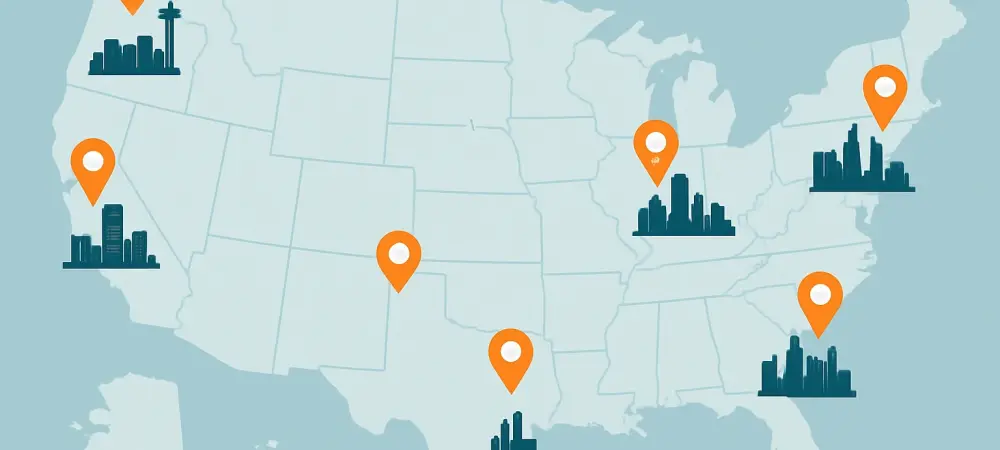
Imagine a landscape where artificial intelligence and data science are not just buzzwords but the backbone of every major industry, from healthcare to finance, reshaping how businesses operate and innovate. In 2025, the demand for skilled professionals in these fields has reached unprecedented heights, with thousands of roles opening across the United States. This roundup dives into the heart of this tech revolution, gathering opinions and insights from industry experts, career advisors, and market analysts to pinpoint the leading US cities for AI and data science jobs. The purpose is to provide a comprehensive guide for professionals seeking to navigate this dynamic job market and find the best locations to build their careers.
Exploring the AI and Data Science Job Boom
The surge in AI and data science roles has transformed the employment landscape, creating a competitive yet opportunity-rich environment. Industry leaders note that the integration of machine learning and big data analytics into everyday business operations has fueled a hiring spree, with companies scrambling to secure top talent. This trend is evident across diverse sectors, pushing cities with strong tech ecosystems to the forefront of job creation.
Beyond the obvious growth, analysts emphasize the importance of geographic strategy for job seekers. Choosing the right city can significantly impact earning potential, access to cutting-edge projects, and overall career trajectory. This roundup compiles varied perspectives on which urban centers are leading the charge, offering a balanced view of established hubs and emerging players in the tech space.
Powerhouses of Innovation: San Francisco, Seattle, and New York City
Unmatched Opportunities in Tech Giants’ Backyards
San Francisco, Seattle, and New York City consistently rank at the top for AI and data science careers, a consensus among tech recruiters and market researchers. Home to industry giants like Google, Amazon, and IBM, these cities offer unparalleled access to high-impact roles. Data from recent labor reports highlights San Francisco’s average salary for data scientists at around $160,000 annually, a figure that underscores the lucrative nature of positions in these metros.
However, experts caution that the benefits come with significant trade-offs. High living costs, particularly in San Francisco and New York City, often offset the impressive compensation packages. Career advisors suggest that while these locations provide exposure to groundbreaking projects and vast networking opportunities, professionals must weigh financial pressures against the prestige of working in such innovation-driven environments.
Balancing High Stakes with High Rewards
Another angle from industry observers focuses on the density of job openings in these areas. Seattle, for instance, stands out for its concentration of roles in cloud computing and e-commerce, driven by major players like Microsoft. Yet, some analysts argue that the intense competition for talent in these cities can make breaking into the market challenging for early-career professionals, urging a careful assessment of readiness before relocating.
Academic and Industry Fusion: Boston’s Distinct Advantage
A Hub of Learning and Innovation
Boston emerges as a unique contender, praised by academic and tech professionals for its seamless blend of world-class education and industry innovation. Universities like MIT fuel a steady pipeline of talent and research, often collaborating with local firms on AI applications in fields like healthcare. This synergy creates a fertile ground for cutting-edge job opportunities, a point frequently highlighted by career coaches.
The city’s strength lies in its ability to merge theoretical advancements with practical solutions, according to tech consultants. Partnerships between academia and businesses result in roles that are both intellectually stimulating and impactful, particularly in specialized sectors. This environment appeals to professionals who value continuous learning alongside career growth.
Challenges in a Competitive Climate
Despite these advantages, some industry voices point out drawbacks such as a highly competitive job market and a less welcoming climate compared to warmer regions. Experts advise potential candidates to prepare for rigorous selection processes and consider lifestyle factors before committing to Boston. The consensus is that while the city offers a robust foundation for AI and data science careers, it demands resilience and adaptability from newcomers.
Emerging Contenders: Austin, Denver, and Atlanta’s Tech Surge
Affordable Growth in Non-Traditional Hubs
Shifting focus to less conventional tech centers, Austin, Denver, and Atlanta receive high praise from startup founders and cost-of-living analysts for their affordability and rapid growth. Austin, in particular, is celebrated for its low expenses paired with a thriving ecosystem of AI startups, making it a magnet for young professionals. Experts in career planning often recommend these cities for those prioritizing financial ease alongside opportunity.
Denver’s appeal lies in its burgeoning number of tech firms focusing on AI solutions, a trend noted by regional economic analysts. The city’s balance of reasonable living costs and increasing job openings creates a welcoming atmosphere for mid-career professionals. Meanwhile, Atlanta’s strength in fintech and cybersecurity draws attention from industry specialists who see it as a gateway to niche, high-demand roles.
Redefining the Tech Landscape
A recurring theme among commentators is the challenge to the notion that elite tech careers are confined to coastal giants. These emerging hubs offer less saturated markets, allowing for greater visibility and faster career progression, as per insights from tech hiring managers. The diversity of opportunities in these cities signals a broader decentralization of tech talent, encouraging professionals to explore beyond traditional boundaries.
Specialized Markets: Washington, D.C., Chicago, and Los Angeles
Unique Industry Demands Shaping Careers
Washington, D.C., Chicago, and Los Angeles offer specialized opportunities that set them apart, according to policy advisors and sector-specific analysts. D.C.’s government-driven demand for machine learning experts results in competitive salaries and benefits, a point often raised by public sector recruiters. This focus on policy and security applications of AI creates a distinct niche for professionals with relevant expertise.
Chicago, on the other hand, is lauded by financial tech consultants for its emphasis on logistics and finance-driven data science roles. Los Angeles brings a different flavor with its entertainment industry’s growing reliance on AI, a trend highlighted by media tech specialists. Each city carves out a unique space, catering to specific professional interests and skill sets.
Potential for Sector-Specific Growth
Looking at future trajectories, some market forecasters speculate that these niche areas could see significant expansion in the coming years, potentially from 2025 to 2027. The targeted nature of roles in these cities may attract professionals seeking to specialize rather than compete in broader tech arenas. Career strategists suggest keeping an eye on evolving industry needs in these locations to capitalize on emerging opportunities.
Strategies for Navigating the Competitive Job Market
Expert opinions converge on the importance of aligning city choice with personal and professional goals. San Francisco and Seattle stand out for high earnings, while Austin and Denver appeal to those valuing affordability, as noted by relocation consultants. Tailoring job searches to match industry strengths—such as fintech in Atlanta or government tech in D.C.—can provide a strategic edge.
Practical tips from career advisors include tapping into local networking events and upskilling in tools or technologies prominent in target cities. Building connections through regional tech meetups or virtual forums is often recommended to gain insider knowledge. Additionally, staying updated on city-specific hiring trends can help candidates stand out in crowded applicant pools, a strategy endorsed by many hiring experts.
A broader insight from industry watchers is the value of flexibility in location choices. With remote work still influencing job markets, professionals are encouraged to consider hybrid opportunities that blend the benefits of specific cities with personal lifestyle preferences. This adaptability can open doors to roles in multiple hubs without the need for immediate relocation.
Reflecting on a Diverse Tech Job Landscape
Looking back, this roundup reveals a rich tapestry of insights into the AI and data science job markets across various US cities. Experts from different corners of the industry provided a multifaceted view, showing how established centers like San Francisco and emerging hubs like Austin each play vital roles in shaping career paths. The discussions underscored a clear trend of decentralization, with opportunities blossoming in unexpected places.
For those eager to dive into this vibrant field, the next steps involve researching specific city strengths and aligning them with individual aspirations. Exploring online resources or connecting with local tech communities could offer deeper clarity on where to plant professional roots. As the tech landscape continues to evolve, staying informed and adaptable remains key to seizing the right opportunities in this dynamic arena.