

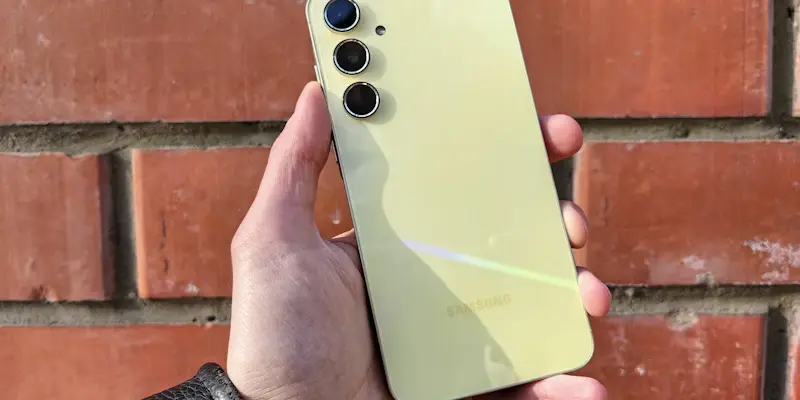
In the landscape of mobile photography, the race for the best triple camera smartphone has never been more competitive. With each leading manufacturer pushing the boundaries of technology, significant advancements have been made, enhancing both hardware and software capabilities. The latest models from Samsung, Apple, Google, OnePlus, and Xiaomi represent the forefront of innovation, offering unique features and performance levels that set them apart. It’s an exciting time for photography enthusiasts and tech lovers alike, as these exceptional devices cater to diverse needs and preferences. But which one will rise above the rest?
Samsung’s Flagship: Galaxy S25 Ultra
Cutting-Edge Sensor Technology
Samsung’s Galaxy S25 Ultra sets a new benchmark in mobile photography. Equipped with a massive 200MP primary sensor, this device ensures stunning detail and clarity in every shot. The periscope telephoto lens further enhances its capabilities with an impressive 50MP and offers 10x optical zoom. This allows users to capture distant subjects without losing quality. The 12MP ultra-wide lens rounds out the camera setup, providing flexibility for various photographic scenarios. Samsung’s commitment to innovation is evident in the Galaxy S25 Ultra’s AI night mode, which excels in low-light conditions, delivering crisp and vivid images that rival professional cameras.
AI-Powered Enhancements
The integration of artificial intelligence in the Galaxy S25 Ultra is designed to elevate the user experience. Samsung’s advanced AI algorithms analyze scenes in real-time, optimizing settings for the best possible outcome. This includes intelligent scene recognition, auto-adjustments for exposure, and precise focusing. The combination of AI and hardware results in a smartphone that’s not only powerful but also user-friendly, making high-quality photography accessible to everyone. Those who prioritize top-tier performance and cutting-edge features will find the Galaxy S25 Ultra to be a compelling choice in the realm of mobile photography.
Apple’s Offering: iPhone 15 Pro Max
Photonic Engine
The iPhone 15 Pro Max continues Apple’s legacy of exceptional camera quality with its latest innovations. Central to its success is the 48MP primary lens, a 12MP telephoto lens featuring 5x optical zoom, and another 12MP ultra-wide lens. These components work in harmony to deliver stunning photos with rich detail and vibrant colors. However, the real magic lies in Apple’s Photonic Engine. This cutting-edge technology enhances color reproduction and texture, ensuring that images are true-to-life. It’s no wonder that camera quality remains a primary buying factor for over 60% of iPhone users, as the iPhone 15 Pro Max consistently delivers outstanding results.
User-Friendly Photography
Apple has always been known for its user-centric approach, and the iPhone 15 Pro Max is no exception. The interface is intuitive, allowing even novice photographers to capture great shots with minimal effort. The device’s software intelligently manages image processing, ensuring that users don’t need to be photography experts to take professional-quality photos. Additionally, Apple’s ecosystem benefits, such as seamless iCloud integration and powerful editing tools, make the iPhone 15 Pro Max a reliable companion for both casual and professional photographers alike. Its blend of advanced technology and ease of use makes it a standout contender in mobile photography.
Google’s Vision: Pixel 9 Pro
AI Integration
Google’s Pixel 9 Pro is another strong candidate in the triple camera smartphone arena, known for its superior AI-driven features. This model includes a 50MP main sensor, a 48MP periscope telephoto lens, and a 12MP ultra-wide camera. Google’s AI capabilities are truly remarkable, with Night Sight mode standing out for its ability to produce sharp, clear images even in challenging lighting conditions. The Super Res Zoom feature also deserves mention, as it provides detailed close-ups without the need for a bulky telephoto lens. For those who enjoy natural and cinematic photography, the Pixel 9 Pro is a top choice.
Computational Photography
What sets the Pixel 9 Pro apart is its emphasis on computational photography. Google’s software algorithms enhance every shot, ensuring that images are well-balanced, vibrant, and sharp. The device’s intelligence can merge multiple frames into one optimized photo, effectively reducing noise and improving dynamic range. This level of precision is typically found in high-end cameras, showcasing Google’s commitment to pushing the boundaries of mobile photography. The Pixel 9 Pro is ideal for users who appreciate the fusion of cutting-edge hardware and sophisticated AI to achieve truly stunning results.
OnePlus’ Contender: 12 Pro
Hasselblad Partnership
The OnePlus 12 Pro leverages its partnership with Hasselblad to deliver exceptional camera performance. This collaboration has resulted in a 50MP primary camera, a 64MP periscope telephoto lens with 6x optical zoom, and a 50MP ultra-wide sensor. Hasselblad’s expertise ensures that color accuracy is unparalleled, providing photos that are both vivid and true to life. The HDR+ technology further enhances dynamic range, making this smartphone a favorite among photography enthusiasts who demand high-quality results without a prohibitive price tag. The OnePlus 12 Pro positions itself as a premium yet accessible option for those passionate about mobile photography.
Competitive Pricing
OnePlus has always been known for offering premium features at competitive prices, and the 12 Pro is no exception. This device provides a compelling blend of advanced technology and affordability, making it an attractive proposition for those who seek high-quality photography without breaking the bank. The Hasselblad-tuned cameras and HDR+ technology ensure fantastic image quality, appealing to both amateur and professional photographers. The OnePlus 12 Pro’s combination of performance, innovation, and value makes it a strong competitor in the crowded smartphone market.
Xiaomi’s Entry: 14 Ultra
Leica Optics
Xiaomi’s 14 Ultra stands out with its robust camera system, featuring a 50MP primary sensor, a 50MP periscope telephoto lens, and a 50MP ultra-wide lens. The collaboration with Leica enhances its photographic capabilities, ensuring that users can capture stunning images under various conditions. The 14 Ultra boasts a 10x hybrid zoom and 4K video recording, equipped with advanced stabilization for smooth footage. These features make it a versatile option for photography and videography enthusiasts alike, and Xiaomi’s continuous focus on camera innovation has paid off with a 30% increase in sales of its premium smartphone models.
Comprehensive Photography Solution
The Xiaomi 14 Ultra aims to provide a comprehensive solution for all photography needs. Its high-resolution sensors and advanced optics ensure that every shot is of the highest quality. Additionally, its user-friendly interface and robust software make it easy for both novice and experienced photographers to capture amazing images. Xiaomi’s commitment to pushing the boundaries of mobile photography is evident in the 14 Ultra, making it a worthy contender in the market. For those looking for a powerful, versatile, and affordable camera phone, the Xiaomi 14 Ultra is an excellent choice.
Future Considerations
In the realm of mobile photography, the competition for the best triple camera smartphone is fiercer than ever. Leading manufacturers are continually pushing the limits of technology, bringing about significant advancements in both hardware and software. The newest models from tech giants such as Samsung, Apple, Google, OnePlus, and Xiaomi showcase the peak of innovation. These devices come with distinctive features and varying performance levels, each setting a new standard in the market. This is an exhilarating period for photography enthusiasts and tech aficionados, as these remarkable smartphones cater to a wide range of needs and preferences. However, the big question remains: which of these advanced devices will emerge as the ultimate frontrunner in the battle for the top spot? The answer may well depend on the user’s unique requirements and the specific features they value the most. It’s a thrilling moment in mobile technology history, marked by unparalleled advancements and extraordinary choices.