

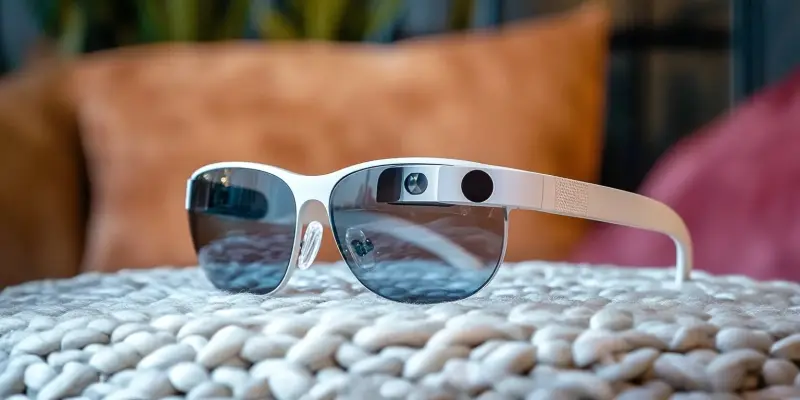
In the rapidly evolving world of wearable technology, smart glasses have emerged as a significant innovation, blending functionality with style. Two prominent contenders in this space are Halliday AI Glasses and Meta’s Ray-Ban smart glasses. Each of these cutting-edge devices offers a unique set of features and design philosophies, catering to different user needs and preferences. As the demand for smart eyewear continues to grow, the choice between these two brands can be pivotal in determining user experience and satisfaction. This article delves into a detailed comparison to help you decide which smart glasses suit you best.
Design and Aesthetics
When it comes to design, Halliday AI Glasses are crafted to resemble traditional eyewear, making them a discreet choice for everyday use. Weighing around 35 grams, they are lightweight and comfortable to wear for extended periods. Their sleek design helps them blend seamlessly with ordinary glasses, ensuring they do not draw undue attention. The glasses feature a discreet microdisplay called “DigiWindow,” placed in the upper-right frame, creating a 3.5-inch virtual screen visible even under bright sunlight. Additionally, these glasses support prescription lenses, adding to their practicality for users needing vision correction.
On the other hand, Meta’s Ray-Ban smart glasses prioritize a stylish design, leveraging the iconic Ray-Ban aesthetic. These glasses integrate cameras and speakers seamlessly into the frame without an integrated display, emphasizing a sleek, fashionable appearance that caters to the trend of minimalism. The goal is to provide users with a blend of fashion and technology without compromising the design integrity. The design appeals to users who value style and brand recognition, making them a popular choice among fashion-conscious consumers. Meta’s collaboration with Ray-Ban ensures a blend of luxury and technology, maintaining the brand’s iconic status within the eyewear industry.
Functionality and Features
Halliday AI Glasses stand out due to their proactive AI capabilities. They can analyze real-time conversations, provide translations in over 40 languages, and offer live navigation, creating an intelligent assistant experience wearable at all times. Additional features include voice-to-text transcription and synchronized lyrics display, offering hands-free access to various information. Interaction with these glasses can be conducted via voice commands, frame interface controls, or a novel trackpad ring, making them highly versatile for different user preferences. This combination ensures they cater to a wide range of users, from professionals to tech enthusiasts, who require on-the-go digital assistance.
Conversely, Meta’s Ray-Ban smart glasses excel in media capture and social interaction. They are equipped with built-in cameras and speakers for capturing photos, videos, listening to music, and making calls, thus transforming everyday eyewear into a multimedia device. Their voice-activated commands and functionalities like real-time translation and AI-generated influencer avatars facilitate hands-free operation, making these glasses a prime choice for content creators and social media enthusiasts. The glasses appeal significantly to those who prioritize capturing and sharing moments effortlessly, leveraging the integration with Meta’s platforms for seamless content sharing. This makes Meta’s Ray-Ban glasses an indispensable tool for the digital era’s creators and influencers.
Battery Life and Charging
Battery life is a critical consideration for wearable technology, influencing usability and convenience. Halliday AI Glasses deliver up to 12 hours of battery life with a standby time of 100 hours, designed for extended daily use. They also feature a one-hour charging time, ensuring minimal downtime between uses, which is vital for users who rely on their glasses throughout the day. This impressive battery performance makes these glasses suitable for users who require long-lasting functionality and advanced features without the frequent need to recharge, supporting productivity and continuous usage.
In contrast, Meta’s Ray-Ban smart glasses offer around six hours of usage depending on the activities performed, such as media playback and photo capturing. However, the glasses come with an included charging case that provides additional power, mitigating the shorter battery life to some extent. This feature is particularly useful for users who are frequently on the go and need a quick recharge option, extending the overall usage time beyond the initial battery capacity. The charging case’s portability and convenience align with the lifestyle of active users, ensuring the glasses remain powered wherever they go.
Pricing and Availability
Halliday AI Glasses fall within the $399 to $499 range, with pre-order discounts available and shipping expected in late March 2025. This pricing targets users seeking advanced features at a mid-range price point, balancing cost and functionality effectively. The innovative functionalities and practical design of Halliday AI Glasses justify the investment for tech-savvy users, positioning them as a valuable addition to the market for those who prioritize intelligent features and enhanced usability in their smart eyewear.
Meta’s Ray-Ban smart glasses are more affordable, starting at $299, and are widely available through various retailers. Their lower price point and stylish design contribute significantly to their popularity, especially among first-time smart glasses buyers who are dipping their toes into wearable technology. The accessibility and brand appeal of Meta’s Ray-Ban glasses make them an attractive option for a broader audience, ensuring they reach a diverse range of consumers—from fashion-forward individuals to digital enthusiasts. This strategy helps Meta capture a significant market share by combining affordability with iconic design.
User Experience and Applications
Halliday AI Glasses provide an intuitive experience driven by proactive AI, offering conversational prompts, fact-checking during discussions, and displaying notifications directly in the user’s field of vision. These glasses suit professionals, students, and multitaskers who benefit from hands-free access to critical information, enhancing productivity and situational awareness across various scenarios. The user-centric design ensures a seamless integration of digital assistance into daily life, making these glasses a powerful tool for individuals who seek to optimize their productivity and stay informed without constant manual input.
On the flip side, Meta’s Ray-Ban smart glasses are designed to enhance social experiences, enabling users to capture and share moments effortlessly. Their integration with Meta’s platforms allows seamless content sharing and interactions, garnering preference among influencers and social media enthusiasts. The glasses’ focus on media capture and social connectivity makes them ideal for users who prioritize staying connected and sharing their experiences. This emphasis on social media functionality aligns with the digital age’s preferences, ensuring Meta’s Ray-Ban glasses remain relevant and appealing within the context of contemporary user behavior.
Market Reception
In the fast-changing landscape of wearable technology, smart glasses have become a noteworthy innovation, marrying practicality with fashion. Leading the charge in this space are Halliday AI Glasses and Meta’s Ray-Ban smart glasses. Both of these advanced devices come packed with a variety of features and showcase distinct design philosophies, appealing to diverse user preferences and requirements. As the popularity of smart eyewear continues to rise, deciding between these two brands can significantly influence the user’s overall experience and satisfaction. This article offers a deep dive into a side-by-side comparison of Halliday AI Glasses and Meta’s Ray-Ban smart glasses, aiming to guide you in making the most informed choice for your specific needs. By examining their unique characteristics and technological advancements, you will be better equipped to discern which smart glasses are the perfect fit for you. With the growing market for smart eyewear, it’s important to understand what each brand brings to the table to ensure you invest in the optimal product for your daily life.