

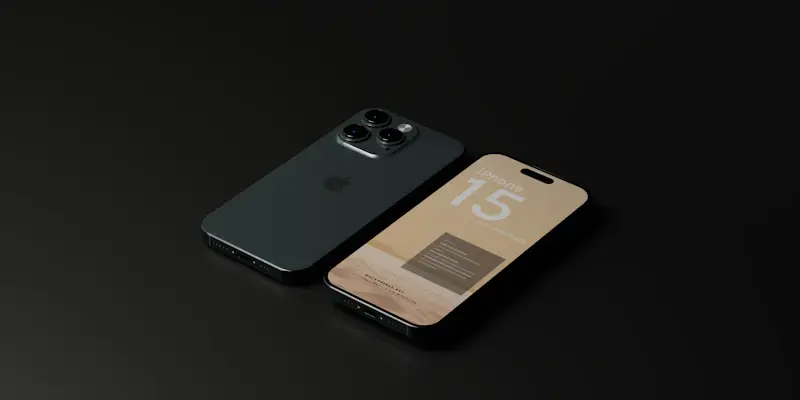
The iPhone 15 range has hit the market with a variety of deals and offers, making it essential for consumers to understand the best purchasing options available. Whether you’re a loyal Apple user or someone contemplating their first foray into the world of iPhones, navigating through the myriad of trade-in rebates, unlocked devices, and carrier plans can be overwhelming. The landscape of securing an iPhone 15 has changed recently, with a notable shift away from traditional trade-in requirements towards more flexible and varied purchasing options. This article delves into these different methods, providing consumers with a comprehensive guide to finding the most cost-effective way to get their hands on the new iPhone 15.
Trade-In Rebates: A Traditional Approach
Trade-in rebates have long been a favored method for obtaining discounts on new iPhones, and they remain relevant even with the launch of the iPhone 15 range. Carriers such as AT&T, T-Mobile, and Verizon often provide substantial rebates when you trade in your old device, which can significantly lower the initial cost of the new iPhone 15. This method is particularly attractive for consumers looking to upgrade from an older iPhone model or even a different brand of smartphone.
However, it’s crucial to understand that the trade-in value you get can vary considerably depending on the condition and model of your current phone. For instance, a well-maintained, recent-model iPhone will fetch a higher trade-in value than an older, worn-out device. Additionally, many trade-in deals require consumers to sign up for a service contract that can span several years, which may not suit everyone’s preferences. While these contracts often come with attractive perks such as discounted monthly rates or additional data, the long-term commitment might deter some buyers. Nonetheless, for those looking to save on upfront costs and willing to commit to a service contract, trade-in rebates are compelling.
Carrier Plans: Unlimited Data and Free Devices
In recent years, there has been a significant shift in how major carriers offer deals on new iPhones. Companies like Verizon have moved away from requiring trade-ins to provide free iPhone 15 devices, pivoting instead to deals that hinge on the purchase of an unlimited data plan. This change represents a notable trend where the focus is on bundling the device cost with comprehensive data plans, appealing to consumers who prefer a one-stop solution for their smartphone and connectivity needs.
It’s essential to carefully assess the total cost of these unlimited data plans, as the monthly fees can accumulate over time and become quite substantial. Compared to trade-in offers, these plans might present a higher immediate cost but with the benefit of receiving a new iPhone 15 without having to give up your old device. For some users, especially those with heavy data usage or multiple lines, the convenience and added benefits of unlimited data can outweigh the higher costs. On the other hand, for budget-conscious consumers, exploring other alternatives like smaller prepaid carriers or unlocked devices might be more advantageous. These plans can be an excellent option for families or individuals who consume large amounts of data and want to ensure they remain connected without worrying about overage charges.
Unlocked Devices: Flexibility and Freedom
For consumers who value flexibility and prefer not to be tied to a lengthy service contract, purchasing an unlocked iPhone 15 is an enticing option. Unlocked devices offer the freedom to choose any carrier and the ability to switch providers as needed, which can be particularly useful for people who travel frequently or seek to avoid the high costs tied to major carrier plans. This flexibility allows consumers to tailor their service to their actual needs, potentially leading to significant savings in the long run.
Although unlocked iPhones generally come with a higher upfront cost compared to carrier-subsidized devices, they can ultimately prove to be more economical. By having the freedom to select more affordable service plans that better fit their usage patterns, consumers can offset the initial investment. Another advantage of unlocked devices is their better resale value. Unlocked iPhones are often more appealing to buyers in the second-hand market, as they are not tied to a specific carrier. This can help recoup some of the cost when the time comes to upgrade to a newer model.
iPhone 15 Range: Upgrades and Features
The iPhone 15 range has seen substantial upgrades, making it a compelling choice for both new and existing iPhone users looking for the latest in technology and performance. Starting with the standard iPhone 15 and iPhone 15 Plus, these models now feature the Dynamic Island display, which was previously exclusive to the Pro models. This addition heralds a significant leap forward in user interface design, offering more immersive and interactive experiences. Additionally, these models inherit the 48MP main camera and A16 Bionic chipset from the iPhone 14 Pro, delivering a noticeable improvement in both photography and processing power.
The iPhone 15 Pro and Pro Max models are where the most significant upgrades can be found. Equipped with the new A17 Bionic Pro chipset and a Titanium chassis, these devices are tailored for users who demand high performance and durability. The Pro models are not only lighter but also power-packed, making them ideal for gamers, photographers, and anyone who uses their phone for resource-intensive tasks. The enhanced camera system, capable of 4K video at 60 FPS and 5x optical zoom, makes the Pro models a stellar choice for content creators and photography enthusiasts. These features collectively make the iPhone 15 range one of the most advanced and versatile lineups Apple has ever released.
Pricing and Storage Options
Pricing for the iPhone 15 range varies based on the model and storage capacity, providing options for different budgets and needs. The standard iPhone 15 starts at $799 for the 128GB model, with prices scaling higher for increased storage. The iPhone 15 Plus, iPhone 15 Pro, and iPhone 15 Pro Max follow a similar pricing structure, with the Pro Max starting at $1,099 for the 128GB model and reaching up to $1,599 for the 1TB version. This range of prices allows consumers to choose the model that best fits their storage needs and financial constraints.
When deciding which model to purchase, consumers should carefully consider their storage needs alongside their budget. For many users, the standard iPhone 15 offers a great balance of features and cost, making it a solid choice for those who need a reliable and capable smartphone without breaking the bank. On the other hand, users who require the highest performance and advanced features might find the iPhone 15 Pro Max to be worth the additional investment. Although it comes at a higher price point, the Pro Max delivers an unparalleled user experience with its extensive upgrades and capabilities.
Recommendations: Finding the Best Deal
The release of the iPhone 15 range has brought a slew of deals and offers, making it crucial for consumers to identify their best purchasing options. Whether you’re an Apple enthusiast or a newcomer to iPhones, the array of trade-in rebates, unlocked devices, and carrier plans can seem daunting. The process of securing an iPhone 15 has evolved, shifting from traditional trade-in requirements to more flexible and diverse purchasing choices. This change makes it easier for consumers to find a method that suits their needs and budget. In this article, we explore these various methods, offering a comprehensive guide to help you navigate the purchase process and find the most cost-effective way to own the new iPhone 15. Whether you prefer an unlocked device for greater freedom or are looking for lucrative trade-in rebates to make your investment more affordable, understanding these options is key. We aim to simplify the buying process, ensuring you can make an informed decision and get the most value for your money with the latest iPhone 15.