

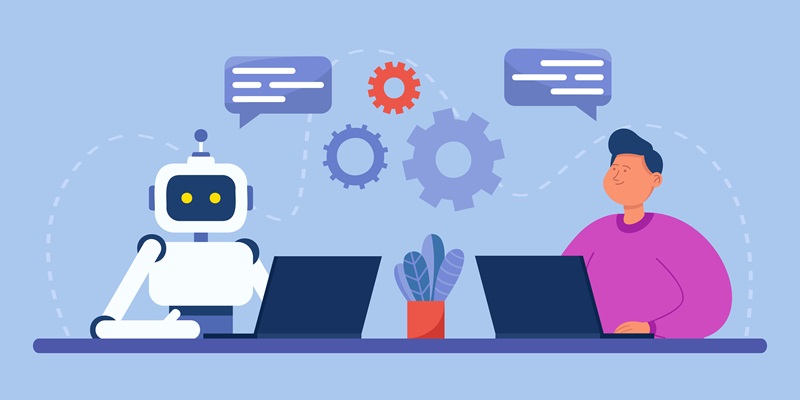
In the dynamic world of tech, AI stands out as transformative, particularly visible through leading platforms like ChatGPT and Perplexity AI. Each offers unique benefits that redefine our digital interactions. Whether it’s for multifaceted task handling, user-focused design, or sophisticated research utility, choosing between these AI giants is crucial for leveraging AI’s capabilities effectively.
In their distinct ways, ChatGPT and Perplexity AI epitomize the AI revolution. ChatGPT is renowned for its versatile applications and ease of use, while Perplexity AI specializes in advanced inquiry and data analysis. The impact of your choice between them extends to the quality and efficiency of your digital endeavors. Embracing either can be a step toward optimizing how we utilize artificial intelligence in everyday scenarios. Deciding on the right AI platform shapes our tech-enabled future and how we navigate the expanding digital cosmos.
Subscription Models and Pricing
In the competitive terrain of AI platforms, subscription models have become the norm for accessing cutting-edge capabilities. ChatGPT and Perplexity AI both present subscription-based services, meticulously crafted to deliver cost-effective solutions to their users. Perplexity AI Pro beckons the budget-minded individual, promising an attractive pricing structure without compromising on quality. It’s a lure for those who want high-caliber AI assistance without denting their wallets. Standing on the other side is ChatGPT Plus, a service tailored for users who value brand trust and are ready to pay a premium for a platform that boasts a vast user base and a robust track record of reliability.
As the battle for supremacy rages on, the pricing strategies of both platforms play a crucial role in user selection, with each endeavoring to balance affordability with the breadth of their offerings. It becomes a matter of financial preference and the perceived value of each service. A deep dive into the specific features and add-ons included in these subscription models will discern the chasm between cost and functionality, leading users toward the choice that best aligns with their fiscal outlook and their demand for AI services.
Usability and User Experience
Perplexity AI prides itself on creating a streamlined, user-centric platform. It excels at delivering an easy-to-navigate experience from the moment a user sets up their account, highlighting privacy and simplicity in its design. The system effortlessly guides users, ensuring a straightforward and protected digital environment.
In contrast, ChatGPT offers a uniquely customizable experience. It enables users to direct the AI with varied prompts, permitting a tailoring of conversations that can be intricately adjusted to individual preferences. This adaptability reflects ChatGPT’s dedication to user-driven personalization, offering a flexible and creative space for AI engagement. These platforms exemplify two different design ideologies. Perplexity AI is the go-to for a straightforward, secure AI journey, while ChatGPT caters to those who enjoy fine-tuning their digital interactions, showcasing a commitment to customizability and user empowerment in AI technology.
Image Generation Capabilities
Embracing the latest surge in AI-generated visual content, both ChatGPT and Perplexity AI have ventured into the realm of imagery creation. These platforms, each with its distinct artistic brush, allow users to transcend traditional barriers and bring their imaginative visions to life. However, they approach this from differing artistic touchpoints. Perplexity AI provides users with robust tools for image generation, though it operates within the confines of certain stylistic parameters, which, while proving to be powerful, may not cater to the tastes of all digital artists.
Conversely, ChatGPT’s integration with DALL·E propels it into a broader spectrum of creativity, offering users a vast expanse of image generation possibilities. It grants access to myriad styles and interpretations, ensuring that the generated visuals resonate closely with the user’s envisioned masterpiece. Whether seeking the exactitude of fine brushstrokes or the abstract allure of generative art, users will find these platforms offer contrasting palettes that will shape the decision on which AI to adopt based on their specific creative endeavours.
Features for Developers and Researchers
Perplexity AI and ChatGPT offer distinct benefits for developers and researchers. Perplexity AI shines with its high precision in search results and supports seamless coding, making it a beacon for efficiency in a sea of data. It focuses on delivering productivity with its set tools, even if it doesn’t allow as much customization in model instructions. On the other side, ChatGPT offers a playground of customizability. It attracts users who desire a more modifiable AI experience, enabling them to fine-tune their models and instructions to their exact liking.
For those deciding between the two, it’s a balance of the need for precise, efficient tools and the desire for flexibility. Each platform presents an approach to AI that caters to different aspects of digital work—Perplexity AI with its streamlined offerings and ChatGPT with its adaptable nature. The choice hinges on the level of control and adaptability desired, guiding users to the platform that aligns best with their objectives.
Community Support and Knowledge Base
ChatGPT stands out with a robust community full of support and knowledge, acting as a stronghold for both new and long-time users. This vibrant network is the backbone of the platform, aiding in problem-solving and knowledge sharing. On the other side, Perplexity AI possesses its own allure with an intuitive interface and advanced search capabilities, all wrapped in an affordable package. Its user experience is streamlined, appealing to those who prefer focus and a compact community.
While comparing ChatGPT and Perplexity AI, it’s evident that their unique features attract different audiences. Users must weigh the richness of the community and the knowledge base against their own needs to choose the right platform. The decision between these AIs isn’t solely about features; it’s about matching their capabilities with your specific requirements. This comparison aims to help you navigate through the attributes of each, facilitating an informed decision that best suits your digital pursuits.