

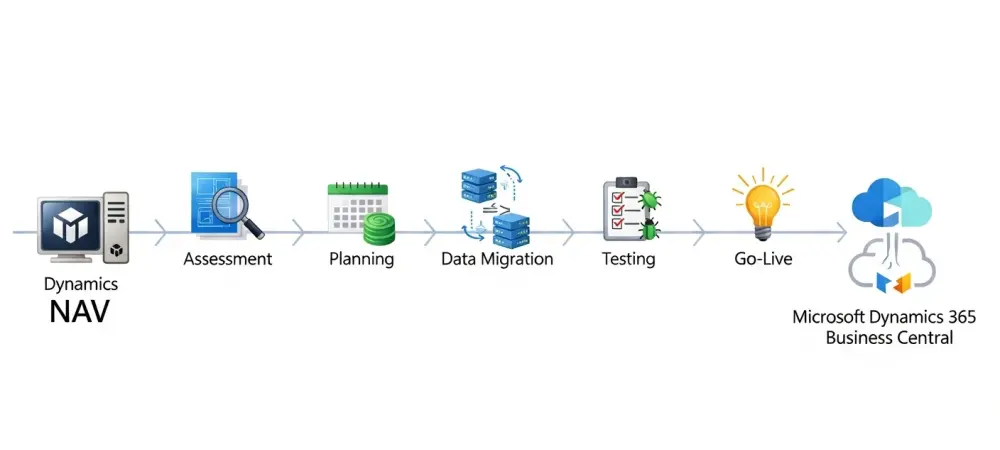
The silent erosion of a once-mighty enterprise resource planning system often goes unnoticed until the very moment a critical security breach or a failed audit exposes the fragility of the entire corporate foundation. Many organizations rely on Dynamics NAV because it feels familiar, but familiarity can breed a dangerous complacency that obscures the mounting technical debt and security risks inherent in aging software. While the system might successfully process invoices today, its inability to integrate with modern telemetry tools or satisfy contemporary cybersecurity protocols creates a silent liability. This discrepancy between functional appearance and structural integrity often surfaces at the worst possible time, such as during a high-stakes merger or a rigorous regulatory inspection.
The perspective of internal operations teams often clashes with the reality of modern digital governance. When a system handles daily transactions without crashing, leadership frequently mistakes operational continuity for system viability. However, an ERP that functions on the surface can be hollowed out by security gaps and compliance risks underneath. Shifting market demands require a level of agility that legacy platforms simply cannot provide, turning what was once a stable foundation into a strategic bottleneck. Organizations must recognize that the cost of maintaining the status quo involves not just licensing fees, but the potential loss of business value and operational resilience.
Beyond the Status Quo: Is Your Reliable ERP Actually a Liability?
Enterprise resource planning systems act as the central nervous system of a business, yet when they age, they tend to become rigid and brittle. Relying on a legacy platform like Dynamics NAV simply because it has not experienced a catastrophic failure recently is a strategy rooted in hope rather than risk management. Modern business environments demand real-time data visibility and seamless cloud connectivity, features that NAV was never designed to provide at scale. Consequently, what was once an asset becomes a bottleneck, restricting the ability of a company to pivot or adopt new technologies that could enhance its competitive edge.
Industry analysts emphasize that an aging ERP often lacks the robust telemetry and security protocols required for modern corporate governance. While the interface remains familiar to long-term employees, the underlying architecture is often incompatible with current cybersecurity standards. This gap creates significant vulnerabilities, particularly for firms in highly regulated sectors where unpatched software is a non-starter. Maintaining an outdated system essentially means operating on a foundation that is slowly sinking into obsolescence, which can jeopardize audits and even the overall valuation of the company during a sale or acquisition.
The 2031 Mandate: The Reality of the Support Lifecycle
Microsoft has officially set April 30, 2031, as the end-of-sale date for Dynamics NAV, but the clock is ticking much faster than that headline suggests. There is a critical distinction between the official end of sales and the actual end of support, as many legacy versions have already transitioned away from receiving essential security patches and regulatory updates. The five-year window between 2026 and 2031 provides a finite period for strategic action, as the risks associated with unpatched vulnerabilities and the inability to purchase additional licenses accumulate long before the software reaches its final expiration date.
Relying on a system that no longer receives mainstream support means that every new security threat discovered in the wild is a potential disaster waiting to happen. Furthermore, the inability to expand the user base or add functional modules limits the scalability of the entire organization. By the time the final deadline arrives, the pressure to migrate will be immense, likely leading to rushed implementations and higher costs. Understanding this timeline is vital for leadership teams who wish to maintain control over their technological roadmap rather than being forced into a reactive emergency response.
The Modernization Decision Framework: Four Lenses for Timing Your Move
To move away from reactive decision-making, leadership teams should evaluate their migration through a structured framework that balances technical necessity with specific business goals. One primary lens is risk exposure, which identifies how far a version has strayed from mainstream support. This is particularly crucial for firms that must adhere to strict regulatory compliance standards. Another lens focuses on alignment with upcoming business changes; moving to a modern system before an acquisition or major expansion ensures that the foundation is stable enough to support significant growth.
Financial incentives and talent availability also play a decisive role in timing the transition toward a modern cloud-based architecture. Programs such as “Bridge to Cloud 3” offer significant discounts for early adopters, rewarding those who take a proactive stance. Simultaneously, the shrinking pool of NAV specialists makes waiting until the final deadline a costly gamble, as the demand for experts will likely far exceed the supply. Evaluating internal bandwidth ensures the organization can manage a controlled transition rather than a high-pressure fire drill as the end-of-sale date looms closer.
Why “It Still Works” Fails the Test of Professional Due Diligence
External stakeholders, including auditors, security reviewers, and potential investors, view legacy software with far less sentimentality than internal operations teams. During corporate due diligence, an outdated ERP system is frequently flagged as a significant operational risk, suggesting that the company lacks the infrastructure for modern governance and data security. The “it still works” mentality ignores the fact that modern corporate health is measured by the ability to defend against sophisticated cyber threats and the capacity to generate accurate, real-time financial reporting. Transitioning to Dynamics 365 Business Central is not a rebuild from zero but a strategic evolution that preserves data lineage while satisfying the rigorous demands of modern standards. Because Business Central shares a common lineage with Dynamics NAV, the migration process allows for a more streamlined transfer of critical business data. This evolution provides the telemetry and automated controls that modern auditors demand, transforming the ERP from a potential liability into a transparent and secure asset. Professional due diligence requires a system that is not only functional but also compliant and resilient against modern threats.
Strategic Steps: Toward a Controlled and Cost-Effective Transition
A successful migration required a proactive approach that prioritized long-term stability over short-term convenience. Organizations that categorized their current pressure levels early were able to set firm review dates and avoid the disruption of a last-minute project. By securing technical talent well in advance, these businesses leveraged financial incentives and ensured that their staff received comprehensive training before the system went live. The ideal window for most mid-market companies existed within a 12-to-24-month timeframe, which allowed for thorough testing and a seamless transition that minimized operational downtime.
The transition toward a modern cloud-based architecture provided a clear path for organizations to shed their legacy constraints before the pressure of the 2031 deadline became overwhelming. Leadership teams that initiated their projects within this timeframe successfully avoided the inflated consulting fees and chaotic implementation cycles common with late-stage upgrades. This proactive strategy transformed a looming technical expiration into a significant competitive advantage, protecting corporate value and ensuring that the digital foundation was robust enough for future expansion. Ultimately, the decision to modernize was not just a technical update but a commitment to the ongoing health and security of the entire enterprise.