

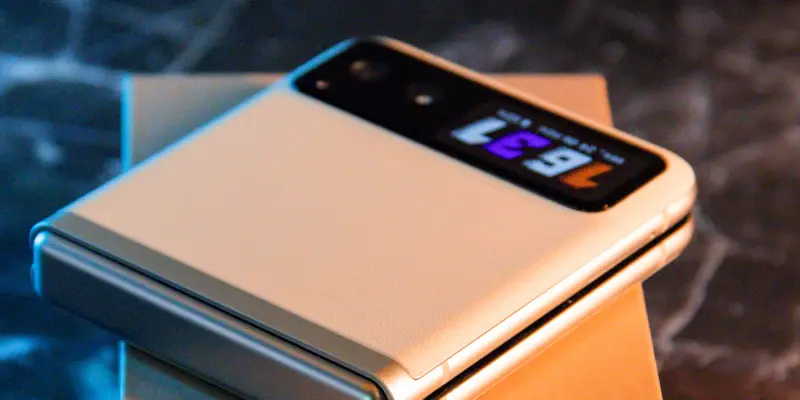
In a world where smartphone technology is constantly evolving, Motorola is set to introduce exciting improvements and significant upgrades to its next-generation foldable phone, the Motorola Razr 60 Ultra. Positioned to rival other flagship devices, this upcoming smartphone includes advancements that aim to enhance the user experience considerably. From faster charging times to upgraded connectivity options, the Razr 60 Ultra is designed to make a substantial impact in the foldable phone market. With details verified through 3C regulatory database entries and FCC certifications, the anticipation for this device continues to grow.
Advancements in Charging Technology
One of the most anticipated features of the Razr 60 Ultra is its enhanced wired charging capabilities, which are a massive step up from its predecessor, the Razr 50 Ultra. The new model will be powered by Motorola’s 68W TurboPower charger, a notable improvement over the previous model’s 45W charging capacity. This upgrade promises users the convenience of quicker charging times, allowing them to spend less time tethered to an outlet and more time using their devices. Official certification has indicated that the Razr 60 Ultra will feature dual batteries to support its clamshell design. These batteries, labeled RS13 and RS35, further contribute to the phone’s efficient power management and long-lasting performance.
Despite the advancements in charging technology, some specifics like the exact battery capacity of the Razr 60 Ultra remain uncertain. Nevertheless, the approval for the use of the 68W charger at full power strongly suggests a significant boost in charging performance. Users can look forward to a more seamless and efficient charging experience, a crucial factor for anyone on the go. With these improvements, Motorola continues to push the boundaries of what’s possible with foldable smartphone technology, setting a new standard for rapid and reliable charging.
Connectivity and Design
Not only does the Razr 60 Ultra promise faster charging, but it also offers cutting-edge connectivity options that keep it in line with the latest technological trends. The smartphone is expected to support Wi-Fi 7, the next generation of wireless networking that offers faster speeds and more stable connections. In addition to Wi-Fi 7, the Razr 60 Ultra will also support 5G, ensuring that users can take full advantage of the fastest mobile data speeds available. Bluetooth and NFC connectivity are expected, rounding out a comprehensive suite of options that keep users connected in a variety of ways.
Aesthetically, the Razr 60 Ultra is rumored to closely resemble its predecessor, the Razr 50 Ultra, maintaining the sleek and innovative design that has made the series popular. While there may be some variations in color and texture, including a possible vegan leather backing, the primary focus of the upgrades seems to be on internal enhancements. This approach underscores Motorola’s commitment to not just maintaining but elevating the quality and performance of its foldable phones, ensuring that the Razr 60 Ultra is as functional as it is stylish.
Technological Advancements and Future Expectations
In an era where smartphone technology is rapidly advancing, Motorola is gearing up to unveil significant enhancements and notable upgrades to its next-generation foldable phone, the Motorola Razr 60 Ultra. This upcoming device is poised to stand toe-to-toe with other flagship smartphones, boasting improvements that aim to greatly elevate the user experience. Featuring faster charging capabilities and enhanced connectivity options, the Razr 60 Ultra is meticulously crafted to make a considerable impact in the foldable phone arena. Verified through entries in the 3C regulatory database and FCC certifications, the excitement and anticipation for this new device continue to build. With its sleek design and cutting-edge technology, the Razr 60 Ultra is expected to attract tech enthusiasts and loyal Motorola consumers alike. As Motorola continues to push the boundaries of smartphone innovation, the Razr 60 Ultra is set to serve as a testament to the brand’s commitment to excellence and its vision for the future of mobile technology.