
What’s New in Apple’s Latest watchOS and macOS Updates?

Article Highlights
Off On

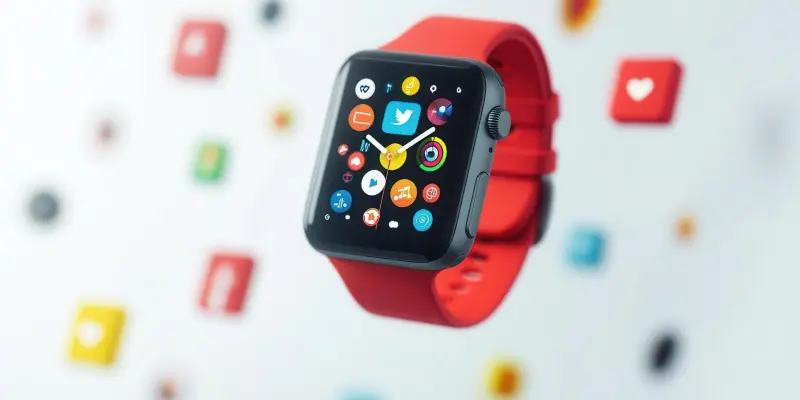
Apple continues to solidify its position at the forefront of technological innovation with the latest updates to its watchOS and macOS platforms. Users of Apple devices are in for a treat as watchOS 11.5 introduces novel features intended to enhance digital convenience and customization. One of the standout additions is the Pride Harmony wallpaper, representing Apple’s ongoing commitment to inclusivity and diversity, allowing users to express their identities in subtle but powerful ways. The improved always-on display on the Apple Watch Series 10 promises a more efficient user experience, facilitating accessibility without compromising battery life. This update underscores Apple’s dedication to providing seamless functionality and a rich user experience across its ecosystem. Moreover, the digital purchasing process has been refined with an intuitive button on the Apple Watch, permitting smoother content acquisition via the Apple TV app on various third-party devices, including Android TVs and smartphones.

Enhanced Parental Controls and Future Prospects

The macOS 15.5 update intensifies security with enhanced parental controls, particularly through a new notification feature. This system alerts parents whenever a Screen Time passcode is entered on their child’s device, preventing unauthorized access and securing a safe digital space for young users. Excitement for the upcoming Worldwide Developers Conference is building, as users look forward to unveiling new operating systems: watchOS 12, macOS 16, and iOS 19. These anticipated releases are expected to deepen the integration of artificial intelligence into Apple’s ecosystem, promising smarter device management and seamless user experiences.

Apple’s strategy centers on creating a cohesive ecosystem, ensuring consistent functionality across its product lineup. This approach is set to improve both user interface customization and security, striking a balance between personalization and safety. As the technology landscape evolves, Apple’s updates offer a forward-looking view of an interconnected future where device intelligence enhances user experience, signifying the company’s commitment to innovation.

Explore more

Hotels Must Rethink Recruitment to Attract Top Talent

With decades of experience guiding organizations through technological and cultural transformations, HRTech expert Ling-Yi Tsai has become a vital voice in the conversation around modern talent strategy. Specializing in the integration of analytics and technology across the entire employee lifecycle, she offers a sharp, data-driven perspective on why the hospitality industry’s traditional recruitment models are failing and what it takes

Trend Analysis: AI Disruption in Hiring

In a profound paradox of the modern era, the very artificial intelligence designed to connect and streamline our world is now systematically eroding the foundational trust of the hiring process. The advent of powerful generative AI has rendered traditional application materials, such as resumes and cover letters, into increasingly unreliable artifacts, compelling a fundamental and costly overhaul of recruitment methodologies.

Is AI Sparking a Hiring Race to the Bottom?

Submitting over 900 job applications only to face a wall of algorithmic silence has become an unsettlingly common narrative in the modern professional’s quest for employment. This staggering volume, once a sign of extreme dedication, now highlights a fundamental shift in the hiring landscape. The proliferation of Artificial Intelligence in recruitment, designed to streamline and simplify the process, has instead

Is Intel About to Reclaim the Laptop Crown?

A recently surfaced benchmark report has sent tremors through the tech industry, suggesting the long-established narrative of AMD’s mobile CPU dominance might be on the verge of a dramatic rewrite. For several product generations, the market has followed a predictable script: AMD’s Ryzen processors set the bar for performance and efficiency, while Intel worked diligently to close the gap. Now,

Trend Analysis: Hybrid Chiplet Processors

The long-reigning era of the monolithic chip, where a processor’s entire identity was etched into a single piece of silicon, is definitively drawing to a close, making way for a future built on modular, interconnected components. This fundamental shift toward hybrid chiplet technology represents more than just a new design philosophy; it is the industry’s strategic answer to the slowing