

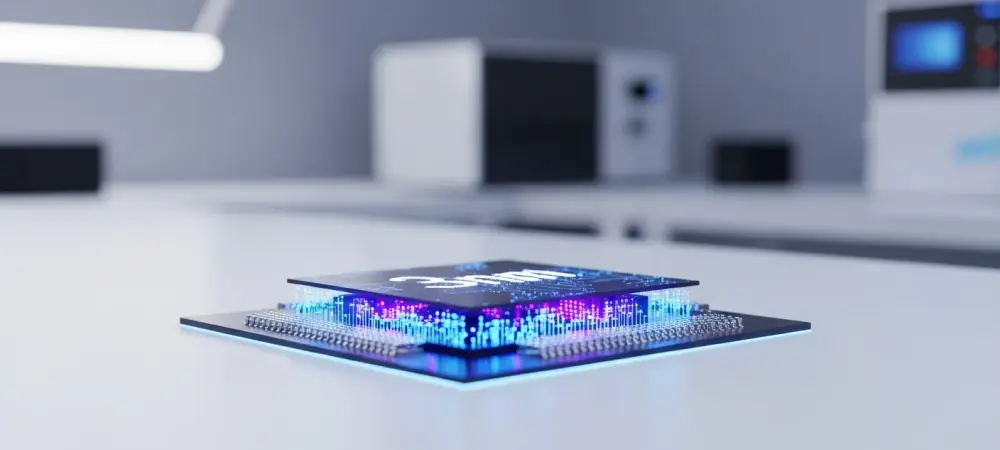
As the smartphone industry prepares for its next major evolution, the heart of the conversation inevitably turns to the silicon engine that will drive the next generation of mobile experiences. With Samsung’s Galaxy Unpacked event set for the fourth week of February in San Francisco, the spotlight is intensely focused on the forthcoming Galaxy S26 series and the chipset that will define its capabilities.
Beyond the Spec Sheet: Setting the Stage for Samsung’s Next Powerhouse
The yearly refresh of flagship smartphones has become a familiar rhythm, yet beneath the surface of brighter displays and refined cameras lies the processor—the single most critical component dictating a device’s potential. This internal powerhouse is the foundation upon which every feature is built, from the fluidity of the user interface to the intelligence of its software. The choice of chipset is not merely a technical detail; it is a strategic decision that shapes the entire user experience.
This year, the stakes in the chipset battle are higher than ever, with implications that extend far beyond raw processing speed. The rivalry between Qualcomm’s Snapdragon and Samsung’s own Exynos platforms directly influences everything from the sophistication of on-device “Galaxy AI” features to the crucial metric of all-day battery longevity. The processor’s efficiency and specialized cores determine how intelligently and sustainably a phone can perform its most demanding tasks.
Consequently, the narrative surrounding the Galaxy S26 is defined by a series of technological crossroads. Key among them are the strategic implications of a potential Snapdragon-exclusive Ultra model, the growing necessity of powerful on-device artificial intelligence, and the relentless pursuit of greater power efficiency. These elements will not only determine the S26’s success but also signal Samsung’s direction in the future of mobile computing.
Deconstructing the S26’s Performance Core
The Snapdragon vs Exynos Conundrum: A Strategic Fork in the Road? Rumors surrounding the Galaxy S26 Ultra point toward a significant strategic decision: the exclusive use of Qualcomm’s next-generation Snapdragon 8 Elite Gen 5 chipset. Such a move would aim to eliminate the performance disparity that has sometimes existed between regions receiving Snapdragon-powered devices and those with Exynos variants. For consumers, this would mean a globally consistent, top-tier experience on the flagship model, simplifying the value proposition.
Leaked benchmark data and expert analysis of the new 3nm architecture suggest a substantial leap in both performance and efficiency. This advanced fabrication process allows for more transistors in the same physical space, translating to faster processing and reduced power consumption compared to previous generations. The potential of the Snapdragon 8 Elite Gen 5 sets a new high-water mark for what users can expect from a flagship device.
This development, however, casts a shadow over Samsung’s own Exynos program. While lower-tier S26 models may still feature an Exynos chip in certain markets, reserving the premier Snapdragon processor for the Ultra model raises questions about Samsung’s confidence in its in-house silicon for competing at the highest level. It suggests a pragmatic approach, leveraging the best available technology for its most important product while continuing to develop its own chipset ambitions in parallel.
Fueling the Future: How Next-Gen AI Will Redefine the S26 Experience
At the center of the next evolution of “Galaxy AI” is the Neural Processing Unit (NPU), a specialized core within the chipset designed for machine learning tasks. The Snapdragon 8 Elite Gen 5 is expected to feature a significantly more powerful NPU, enabling Samsung to run more complex AI models directly on the device. This shift from cloud-based to on-device processing is crucial for delivering faster, more private, and context-aware intelligent features.
This enhanced on-device intelligence will manifest in tangible, real-world applications. Expect improvements in computational photography, where AI can better analyze scenes to optimize photos and videos in real time. Other features, such as live translation without an internet connection and predictive user interfaces that anticipate user needs, will become more seamless and responsive, fundamentally changing how users interact with their smartphones.
In this arena, Samsung is in a tight race with its main competitors. Apple’s A-series chips have long benefited from a powerful Neural Engine that drives its ecosystem’s intelligent features, while Google’s Tensor Processing Units are custom-built to power the AI-first experience of its Pixel phones. The capabilities of the S26’s NPU will be a critical factor in determining whether Samsung can match or exceed the on-device AI prowess of its rivals.
The Race for In-House Silicon: Is Samsung Breaking Away from the Pack?
The broader industry is trending toward fully custom processors, a strategy that allows for unparalleled optimization of hardware and software. Samsung’s long-term “Dream Chip” project represents its ambition to join this exclusive club, developing a chipset tailored specifically for Galaxy devices. This initiative signals a desire to gain more control over its product roadmap and user experience.
A truly bespoke chipset could unlock the kind of seamless hardware-software integration that has been a key advantage for Apple’s ecosystem. By designing the silicon and the software in tandem, Samsung could achieve new levels of performance, efficiency, and unique features that are impossible to realize with off-the-shelf components. This vertical integration is seen by many as the ultimate goal for any major hardware manufacturer.
However, this path is fraught with challenges. The immense investment and risk involved in developing a competitive custom chip lead many to question if it is a worthwhile endeavor when powerful options like Qualcomm’s Snapdragon are available. For Samsung, the decision to pursue its “Dream Chip” is a high-stakes gamble on whether the rewards of a perfectly integrated ecosystem outweigh the security of relying on established partners.
Marathon, Not a Sprint: Translating Raw Power into All-Day Endurance
While peak performance benchmarks are impressive, the true test of a modern flagship is sustained efficiency. The advanced 3nm architecture of the S26’s rumored processor is designed not just for speed but for delivering that power without rapidly draining the battery. This focus on efficiency is critical for ensuring that the device’s advanced features can be used throughout the day without compromise.
The Galaxy S26 Ultra is anticipated to be powered by a 5,000mAh battery, a capacity that has become the standard for high-end devices. However, raw capacity is only part of the equation. The synergy between the chipset’s advanced power management features and Samsung’s software optimizations will be what ultimately determines its real-world endurance, especially when compared against competitors who are also pushing the boundaries of battery life.
Looking ahead, the new chipset serves as a platform for future innovations in power. Its architecture could better support emerging charging technologies or more advanced battery management systems. The goal is no longer just about lasting a full day but ensuring that the immense power of the device is available and managed intelligently, providing performance when needed and conserving energy when it is not.
Decoding the Hype: What the S26’s Power Means for Your Next Upgrade
For consumers, the technical advancements inside the Galaxy S26 translate into direct, tangible benefits. A more powerful and efficient processor means faster app launches, smoother multitasking, and the ability to run demanding games without lag. Furthermore, the enhanced AI capabilities will result in smarter photos, more useful real-time assistance, and a more intuitive overall experience. Potential buyers should evaluate their personal needs against the capabilities of the S26 lineup. For those who demand the absolute best in performance, photography, and AI-driven features, the Snapdragon-powered Ultra model appears poised to be the leading option. For others, the standard S26 models will likely offer a compelling balance of cutting-edge technology and value.
As the first reviews emerge following the launch, key performance indicators will be crucial in validating Samsung’s promises. Observers should watch for real-world battery life tests, assessments of the new “Galaxy AI” features in daily use, and direct performance comparisons against other flagship devices. These metrics will ultimately reveal whether the S26’s new engine delivers a truly next-generation experience.
The S26 Power Play: A Glimpse into the Future of Mobile Computing
The engine powering the Galaxy S26 is far more than a simple component; it is a clear statement about Samsung’s vision for the future of mobile technology. The choices made—from processor selection to the emphasis on AI—reflect a strategy aimed at creating a more intelligent, efficient, and seamlessly integrated user experience.
These developments have broader implications for the entire smartphone industry. As on-device AI and power efficiency become the new primary battlegrounds for innovation, the focus shifts from raw clock speeds to intelligent performance. The S26 is a key player in this transition, pushing competitors to respond and accelerating the evolution of what a smartphone can be. Ultimately, the technological decisions embedded within the Galaxy S26 will have a lasting impact. The advancements in its processor set a new baseline for flagship performance and intelligence, shaping the capabilities and user expectations for the devices that will be carried in pockets for years to come.