

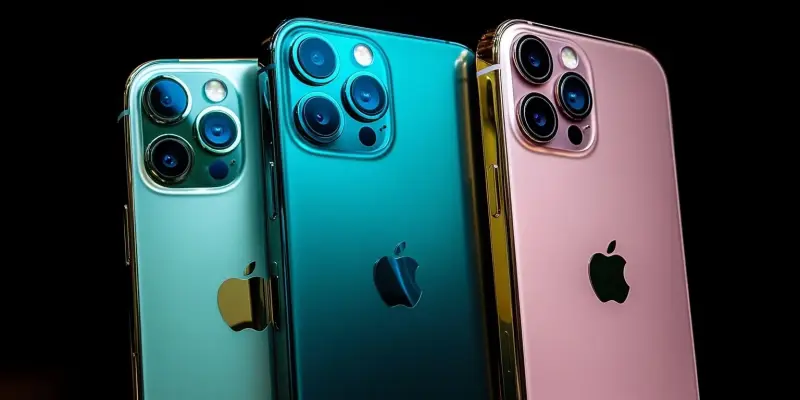
The ever-evolving world of smartphone technology is set to experience another leap forward with the anticipated release of Apple’s iPhone 17 series in 2025. Early leaks and speculations paint a promising picture of the innovations Apple fans can expect to see, sparking considerable excitement among tech enthusiasts and loyal consumers alike. Apple appears poised to deliver significant upgrades in both display and camera technology, potentially setting new standards and further distinguishing its flagship devices from the competition, particularly from rivals like Samsung.
Enhanced Display Technology
One of the most talked-about enhancements expected for the iPhone 17 series pertains to its display technology. A notable rumor suggests that Apple will incorporate Samsung’s advanced M14 OLED panels in the iPhone 17 lineup. This advanced display technology promises remarkable improvements in brightness, contrast, and color accuracy, offering a significantly better visual experience than previous models. The adoption of M14 OLED panels could give the iPhone 17 series a competitive edge, especially considering that Samsung’s own Galaxy S25 series might still rely on older display technologies.
Unlike the iPhone 16 series, where only the Pro models benefited from cutting-edge display panels, it appears that both the standard iPhone 17 and the rumored iPhone 17 Air will feature these advanced displays. This democratization of superior display technology across more models in the lineup is a strategic move by Apple to provide a wider range of consumers access to premium visual quality. These enhancements are expected to not only improve the user experience for everyday tasks but also make activities such as streaming, gaming, and content creation more enjoyable and visually striking.
Camera Redesign and Improvements
The iPhone 17 series is also expected to bring significant advancements in camera technology. Apple is rumored to be focusing on major redesigns and improvements for the entire camera system. This might include new sensor technology, enhanced zoom capabilities, and improved low-light performance. These upgrades could result in photos and videos with higher clarity, richer colors, and more detail than ever before. With these potential enhancements, Apple aims to cater to both casual users and professional photographers, solidifying the iPhone’s position as a top choice for mobile photography.
These rumors have created quite a buzz, hinting at potential upgrades that could revolutionize the user experience. The excitement surrounding the iPhone 17 series exemplifies the ongoing rivalry in smartphone innovation, with Apple striving to maintain its edge. If these speculations prove accurate, 2025 could be a milestone year for Apple, cementing its position as a leader in the industry and offering users an unprecedented blend of performance and design.