

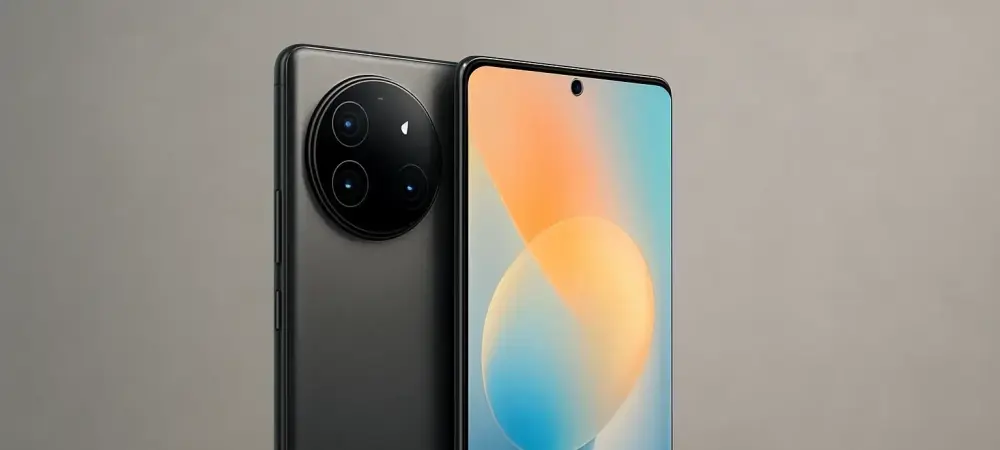
In a world where smartphones are more than just tools—they’re extensions of personal expression and productivity—how does a brand stand out in an oversaturated market? Picture a device that not only captures life’s fleeting moments with unparalleled clarity but also powers through the most demanding tasks with ease. Enter Vivo’s latest marvel, the X300 series, a lineup that has tech enthusiasts and casual users alike buzzing with anticipation. Launched first in China and now making waves globally, this flagship series promises to elevate expectations of what a smartphone can achieve. Let’s explore why this release is turning heads across the globe.
Why the Vivo X300 Series Matters
Beyond the hype of a new gadget launch, the X300 series represents a pivotal moment for Vivo as it cements its place among premium smartphone contenders. With certifications already secured from Singapore’s IMDA, Indonesia’s SDPPI, and Europe’s EEC authorities, the global rollout of models V2515 (X300) and V2514 (X300 Pro) signals a strategic push into key markets. This isn’t merely about releasing another phone; it’s about meeting the growing consumer demand for high-end performance at accessible price points, a trend shaping the industry in 2025.
The significance lies in Vivo’s ability to blend cutting-edge technology with user-centric design, challenging the dominance of long-standing giants. Industry watchers note that with 5G, Wi-Fi, Bluetooth, and NFC support confirmed via IMDA listings, the series is poised to deliver seamless connectivity. This positions Vivo as a brand not just following trends but setting them, especially in regions hungry for innovative yet practical devices.
Vivo’s Bold Leap Toward Global Influence
Expanding into diverse markets like Singapore, Indonesia, and Europe isn’t a small feat—it’s a calculated move to rival top-tier players. Vivo’s ambition with the X300 series reflects a broader goal of capturing the premium segment, where consumers prioritize flagship features over brand loyalty. Certifications across multiple regions underscore a commitment to accessibility, ensuring that users worldwide experience the same level of innovation shortly after the initial launch.
This global strategy aligns with a noticeable shift in consumer behavior, where value-driven purchases dominate. Vivo seems to understand that today’s buyers expect more than just specs; they want a device that integrates into their lifestyle. By targeting varied demographics with the X300 series, the company demonstrates an intent to build a universal appeal, a step that could redefine its standing on the international stage.
Unpacking the Powerhouse: Specs and Style of the X300 Series
At the heart of the X300 and X300 Pro lies MediaTek’s Dimensity 9500 SoC, a chipset hailed for its balance of speed and efficiency, ideal for everything from gaming to multitasking. Paired with Android 16-based OriginOS 6, the user interface promises a smooth, customizable experience tailored to modern needs. These technical advancements aren’t just buzzwords—they signal Vivo’s focus on delivering performance that keeps pace with user demands.
Design also plays a starring role, with both models boasting a sleek 7.95mm profile that marries elegance with portability. Yet, the true game-changer emerges in the camera department. The X300 features a staggering 200-megapixel main sensor, while the Pro variant ups the ante with an optional photography kit including a teleconverter for its 200-megapixel periscope telephoto lens. Add to that a “gimbal-grade” Sony LYT-828 primary camera, Zeiss-enhanced 2.35x telephoto zoom, and Natural Portrait mode, and it’s evident Vivo is targeting both casual photographers and serious enthusiasts.
These features aren’t mere additions but a testament to pushing boundaries. For instance, the collaboration with Zeiss for imaging tech sets a benchmark, as noted by tech analysts who predict the APO telephoto lens could redefine mobile photography standards. This blend of power, aesthetics, and innovation makes the series a standout in a crowded field.
What Experts Are Saying About the X300 Lineup
Though hands-on reviews remain pending, early impressions from industry insiders paint a promising picture. Analysts have spotlighted the MediaTek Dimensity 9500 as a formidable competitor to leading chipsets, emphasizing its potential to deliver flagship performance without draining battery life. This balance is crucial for users who rely on their devices for extended periods, whether for work or play.
Camera technology, particularly the Zeiss partnership, has also garnered significant attention. Experts suggest that features like the advanced telephoto capabilities could attract a niche of photography enthusiasts, a segment often overlooked by mainstream brands. Leaks from initial markets hint at a polished build and intuitive software integration, further fueling optimism that Vivo has crafted a holistic flagship experience rather than just a spec-heavy device.
Integrating the X300 Series Into Everyday Life
For those considering an upgrade, the X300 series offers tailored solutions depending on user needs. The base X300, with its impressive 200-megapixel camera and streamlined design, suits everyday users looking to capture high-quality images for social media or personal memories. Its lightweight build ensures comfort during prolonged use, making it a practical choice for on-the-go lifestyles.
Photography aficionados, however, might gravitate toward the X300 Pro for its superior telephoto features and optional kit, which elevate shots to near-professional quality. Both models support customization through OriginOS 6, allowing users to tweak settings for productivity apps or entertainment hubs. With robust connectivity options, integrating the device into a connected ecosystem—be it for streaming, contactless payments, or file sharing—becomes effortless, ensuring the X300 series adapts to varied routines.
Reflecting on a Flagship Milestone
Looking back, the rollout of the Vivo X300 series marked a defining chapter for the brand, showcasing a blend of technological prowess and strategic vision. The seamless fusion of MediaTek’s powerful chipset, innovative camera systems, and sleek design left an indelible impression on the smartphone landscape. It was a moment that highlighted Vivo’s readiness to compete at the highest level.
As users and industry observers moved forward, the focus shifted to how such advancements could inspire further innovation. Exploring the full capabilities of devices like the X300 and X300 Pro became essential, whether through experimenting with photography features or leveraging connectivity for smarter living. The legacy of this series served as a reminder that staying ahead in tech means anticipating user needs—something Vivo achieved with remarkable clarity.