

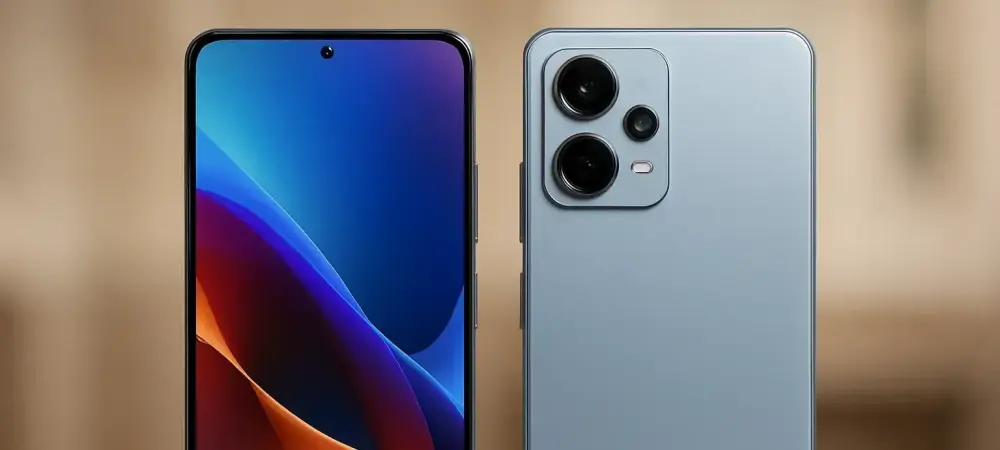
Welcome to an exciting deep dive into the world of mobile technology! Today, I’m thrilled to chat with Dominic Jainy, an IT professional whose expertise in cutting-edge technologies like artificial intelligence, machine learning, and blockchain also extends to a keen understanding of smartphone hardware. With the upcoming launch of the Redmi Note 15 Pro Plus, Dominic is here to break down the specs, features, and innovations that make this mid-range device a potential game-changer. We’ll explore everything from its powerful new processor and advanced cooling system to its impressive camera setup, display quality, and battery performance, all while uncovering what this phone means for tech enthusiasts and everyday users alike.
How does the upcoming launch event for the Redmi Note 15 Pro Plus on August 21, 2025, in China build excitement for fans and what might they look forward to?
I’m really pumped about this event. Xiaomi always knows how to create a buzz, and from what I’ve gathered, the launch on August 21, 2025, in China is going to be a big deal for fans of the Redmi series. Expect a showcase that not only highlights the Note 15 Pro Plus but also dives into how it fits into the broader mid-range market. I think attendees and online viewers can look forward to live demos of the phone’s key features, like its camera and performance capabilities. There’s also a good chance Xiaomi might tease additional products or accessories, keeping everyone on the edge of their seats.
What sets the Snapdragon 7s Gen 4 apart as a key upgrade in the Redmi Note 15 Pro Plus, and how does it elevate the user experience?
The Snapdragon 7s Gen 4 is a significant step forward for this device. Qualcomm has touted a 7% performance boost over the previous Gen 3, and while that might sound modest, it translates to smoother multitasking, faster app launches, and better efficiency. For users, this means less lag when switching between heavy apps or playing resource-intensive games. I’d say tasks like video editing, gaming, and even running multiple apps simultaneously will feel noticeably snappier, making this phone a solid choice for power users in the mid-range segment.
Can you elaborate on the enhanced cooling system in the Redmi Note 15 Pro Plus and its impact on performance?
Absolutely. Xiaomi has integrated a cooling area of 5,200 mm² in this phone, which is a huge upgrade compared to its predecessor. This larger surface helps dissipate heat more effectively, keeping the device cool during extended use. What’s even more impressive is the 3x higher thermal conductivity, which means heat is transferred away from critical components much faster. For gamers or anyone who pushes their phone hard with streaming or editing, this reduces the risk of thermal throttling, ensuring consistent performance even during long sessions.
What can you tell us about the camera system on the Redmi Note 15 Pro Plus and how it stands out in the mid-range category?
The camera setup on this device is shaping up to be a highlight. The primary sensor, the Light Hunter 800, is already proven in other models, and it delivers excellent detail and low-light performance for a mid-range phone. Paired with a 2.5x telephoto lens offering five focal lengths, it gives users versatility for zoomed shots without losing quality. While the third sensor hasn’t been officially confirmed, it’s likely an ultrawide, which would round out the system for capturing expansive landscapes or group shots. From the sample images Xiaomi shared, the phone seems to handle colors and dynamic range really well, which is exciting for photography enthusiasts on a budget.
How does the display of the Redmi Note 15 Pro Plus enhance the overall user experience with its specific features?
The display is another standout feature. With a 1.5K resolution, it offers a crisp and vibrant viewing experience, perfect for streaming, gaming, or just browsing. What really catches my eye is the 3,200 nits peak brightness— that’s incredibly high for a mid-range device. It means you can use the phone comfortably even under harsh sunlight, whether you’re navigating outdoors or watching videos. This kind of clarity and visibility isn’t something you often see at this price point, and it really elevates the overall usability.
What makes the battery and charging capabilities of the Redmi Note 15 Pro Plus noteworthy compared to other phones in its class?
The 7,000 mAh battery is a beast, especially for a mid-range phone. Most competitors in this segment hover around 5,000 mAh, so this capacity offers exceptional longevity—think two days of moderate use without needing a charge. Coupled with 90 W fast charging, you’re looking at minimal downtime to get back to full power. This combo is ideal for users who are always on the go or rely heavily on their phone for work and entertainment. It’s a feature that truly sets the Note 15 Pro Plus apart in terms of practicality.
What’s your forecast for the future of mid-range smartphones like the Redmi Note 15 Pro Plus in terms of balancing performance and affordability?
I’m optimistic about where mid-range smartphones are headed. Devices like the Redmi Note 15 Pro Plus are proof that you don’t need to shell out flagship money to get flagship-like features—whether it’s powerful processors, advanced cameras, or massive batteries. I think we’ll see even tighter competition in this space over the next few years, with brands pushing the boundaries of performance while keeping prices accessible. Innovations in cooling, display tech, and energy efficiency will likely become standard, making mid-range phones the go-to choice for most consumers who want value without compromise.