

Anticipation for the next major iPhone software release has reached a fever pitch, not merely for new aesthetic features, but for critical security and functionality enhancements that promise to reshape the daily mobile experience for millions of users globally. After a notable period of quiet following the last emergency patch, Apple is poised to deliver iOS 26.3, an update that addresses long-standing user concerns while laying foundational work for future interoperability and security protocols. This release is more than a routine incremental patch; it represents a significant step forward in performance, cross-platform communication, and digital defense.
Beyond the Hype Why This iPhone Update Demands Your Attention
The interval since iOS 26.2, released in mid-December, has felt unusually long for many iPhone users, particularly because that update addressed severe security flaws actively being used to deploy spyware. This waiting period has amplified the importance of iOS 26.3, which is expected to continue fortifying the operating system against a landscape of ever-evolving digital threats. The pressure on Apple to deliver not just new features but also a robust and secure platform has never been greater, turning this upcoming release into a focal point for both casual users and cybersecurity experts.
This update directly confronts the urgent need for enhanced digital security in a connected world. The exploits patched in the previous version served as a stark reminder that even the most advanced devices are targets. Consequently, iOS 26.3 is tasked with closing any remaining vulnerabilities and building a more resilient defensive framework. For users of newer devices capable of running the latest software, updating is no longer just about accessing new emojis or wallpapers; it has become a critical measure for safeguarding personal data against sophisticated attacks.
The Core Upgrades What’s New Under the Hood in iOS 26.3
A significant development within iOS 26.3 is the foundational work for Rich Communication Services (RCS) support, signaling an end to the long-standing silence from Apple on the matter. While the feature will not be fully active upon release, this update implements the necessary backend architecture to support the new cross-platform messaging standard. This move is a crucial first step toward enabling end-to-end encrypted, high-fidelity messaging between iPhone and Android devices, a feature that promises to enhance both functionality and privacy for all mobile users.
Beyond messaging, iOS 26.3 introduces several user-centric features designed to improve the quality of life for those within the Apple ecosystem and those looking to transition. A new wireless iPhone-to-Android transfer tool is included, simplifying what was once a cumbersome process of switching between the competing platforms. Furthermore, the update brings more personalization options, including a dedicated section for dynamic weather wallpapers that allows users to select from several styles that reflect real-time conditions, adding a subtle but appreciated layer of aesthetic customization.
Finally, this release is expected to address numerous performance issues that have been a source of user frustration. Community forums and social media have been rife with complaints about persistent problems such as accelerated battery drain, user interface lag, and an unresponsive keyboard. Apple appears to have listened, with iOS 26.3 specifically targeting these bugs to deliver a smoother, more reliable, and efficient user experience, which is particularly important for users who feel compelled to upgrade for security reasons but are wary of performance degradation.
A Renewed Focus on Fortifying Your iPhone’s Security
With the precedent set by iOS 26.2’s critical spyware patches, the security component of iOS 26.3 is under intense scrutiny. The update is widely expected to contain fixes for additional exploited vulnerabilities, continuing Apple’s proactive defense against emerging threats. By building on the previous release, Apple reinforces its commitment to user protection, ensuring that the latest software provides the most comprehensive defense available against malicious actors attempting to compromise user data and privacy.
The update also advances the concept of Background Security Improvements, a feature that will eventually allow Apple to deploy critical security patches automatically without requiring a full OS update. While this system is still being tested and is not yet fully independent, iOS 26.3 continues its development. For now, however, the responsibility remains with the user. Manually initiating the update as soon as it becomes available is the most effective way to ensure an iPhone is protected against the latest identified security risks.
Voices from the Community User Expectations and Expert Insights
Many long-time iPhone users have grown hesitant to install major updates immediately, fearing the introduction of new bugs that could hinder performance. This reluctance creates a dilemma, as delaying an update for stability reasons can leave a device exposed to security threats. iOS 26.3 aims to resolve this conflict by combining essential security patches with tangible performance improvements, providing a compelling reason for even the most cautious users to upgrade promptly and benefit from a more stable and secure system.
Discussions on platforms like Reddit highlight that battery life and system lag remain the top concerns for the user base. For many, a successful update is one that not only introduces new capabilities but also enhances the fundamental experience of using the device. The hope within the community is that iOS 26.3 will deliver on this promise of stability, providing a polished and optimized operating system that makes the mandatory upgrade for security purposes a welcome improvement rather than a necessary chore.
Getting Prepared How to Secure and Install iOS 26.3
Following the mid-December release of the last update, the launch of iOS 26.3 is imminent, with industry watchers anticipating its arrival before the end of January. Initial speculation about an interim iOS 26.2.1 patch did not materialize, consolidating all near-term fixes and features into this single, more substantial release. Users should be prepared for the update to become available any day, likely through an over-the-air notification.
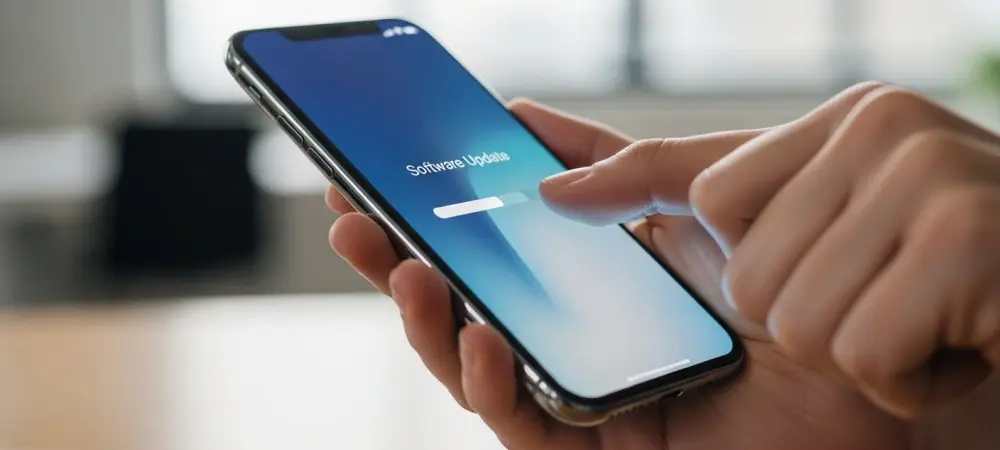
To ensure a device is ready, users should periodically check for the update manually by navigating to Settings > General > Software Update. Given the critical security enhancements included, installing iOS 26.3 as soon as it is released is highly recommended. The process is straightforward, but it remains the most vital action a user can take to protect their device. The forthcoming update was more than a simple refresh; it was a necessary evolution in both function and defense, marking a pivotal moment for the platform’s commitment to a secure and seamless user experience.