

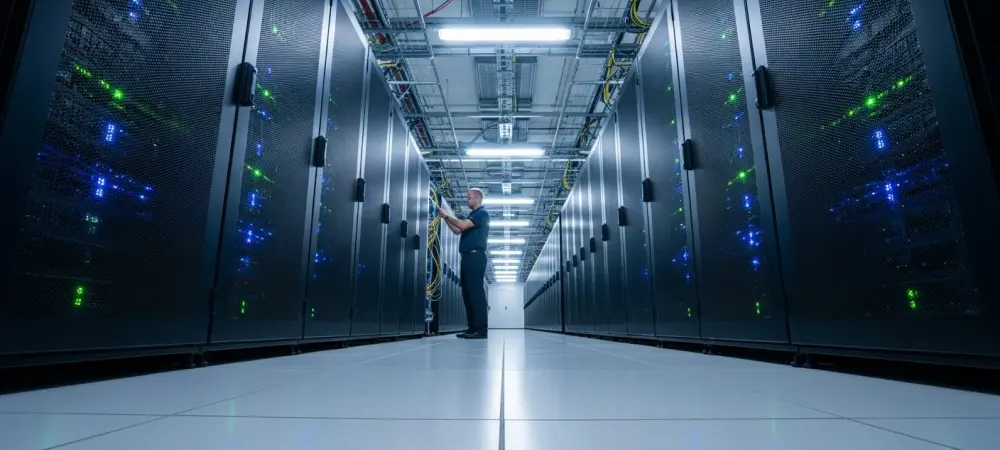
Beneath the seamless surface of our hyper-connected digital experience lies a colossal and rapidly expanding physical reality of steel, silicon, and immense electrical power. The global data center sector is in the midst of an unprecedented expansion, with a projected capital need of at least $3 trillion over the next five years. This monumental investment is not merely about adding more servers; it is about constructing the fundamental infrastructure required to power the next wave of technological innovation, driven by the insatiable demands of artificial intelligence and cloud computing.
A Half Trillion Dollar Bet on the Future
A new technological gold rush is underway, and its chief prospectors are the giants of the tech industry. Six U.S.-based hyperscalers—Microsoft, Amazon, Alphabet, Oracle, Meta Platforms, and CoreWeave—are leading a massive investment charge, poised to spend a collective $500 billion on data centers this year alone. This spending spree is a strategic imperative, a high-stakes race to build the capacity needed to dominate the next generation of digital services.
This immense capital outlay reflects a global competition for technological supremacy. As nations and corporations vie for an edge in AI and cloud capabilities, the ability to deploy vast, powerful, and efficient data infrastructure has become a critical measure of economic and strategic strength. The current level of investment underscores a shared belief that whoever builds the most robust digital foundation will lead the future.
The Physical Foundation of a Digital World
The explosive growth is fueled by the twin engines of cloud computing and artificial intelligence. The cloud created a centralized model for data storage and access, while AI introduced an unprecedented need for computational power to train and run complex models. Together, they have forged an almost limitless demand for data processing, creating a direct need for more physical data centers to house the required hardware.
This demand is not an abstract concept; it is woven into the fabric of daily life. Every video stream, social media interaction, and query posed to a generative AI model translates into a workload processed within a data center. The invisible infrastructure that powers our digital habits requires a constant, and now rapidly accelerating, expansion of tangible assets—buildings, cooling systems, and power grids.
Anatomy of a Three Trillion Dollar Build Out
The multi-trillion-dollar price tag extends far beyond the cost of servers and networking gear. A significant portion is allocated to the construction of physical facilities, which must be engineered for extreme reliability and security. However, the most critical and challenging component is securing access to power. The energy consumption of modern, AI-focused data centers is so immense that their development is now inextricably linked to the construction of new power generation capacity.
This build-out has a truly global footprint. While U.S. tech giants are leading the charge, the race to add capacity is happening worldwide, from Northern Virginia to Singapore. This geographic diversification is driven by the need to reduce latency for users, comply with regional data sovereignty laws, and tap into new sources of energy and talent, transforming local economies in the process.
Sustainable Growth or an Inevitable Bubble
The sheer scale and speed of this investment have naturally raised questions among investors about a potential AI-fueled bubble. The concern is that if the adoption of new AI technologies underperforms expectations, the massive capital poured into specialized infrastructure could see diminished returns. This debate forces a critical examination of whether the current boom is built on sustainable demand or speculative hype.
Despite these concerns, expert analysis suggests the build-out is still in its “early stages.” Projections indicate sustained global growth for at least the next 12 to 18 months. The consensus is that while the precise pace of adoption for emerging, compute-heavy technologies is difficult to predict, the long-term need for this expanded capacity is a certainty. The digital transformation of the global economy guarantees a foundational level of demand for decades to come.
Financing the Next Technological Revolution
Meeting such unprecedented capital requirements has pushed the industry beyond the limits of traditional financing. While established banks remain crucial partners, the scale of investment necessitates co-lending from a broader pool of institutional investors to fund new construction and operations.
To bridge this gap, the industry has turned decisively toward alternative credit markets. Asset-backed securities (ABS), particularly those collateralized by data center construction loans, have seen a surge in issuance. Alongside private credit and commercial mortgage-backed securities, these innovative financial instruments are becoming the primary vehicles for refinancing existing facilities and funding the development of next-generation data centers, ensuring the vision for a more intelligent digital future has the capital it needs to become a reality.
The path forward was forged not by code alone, but by a strategic convergence of concrete, capital, and computational theory. The investment decisions and financial innovations of this period established the physical bedrock for the next era of technological integration. This monumental build-out was not just a response to current demand; it was a foundational act that shaped the economic and digital landscape for the foreseeable future.