

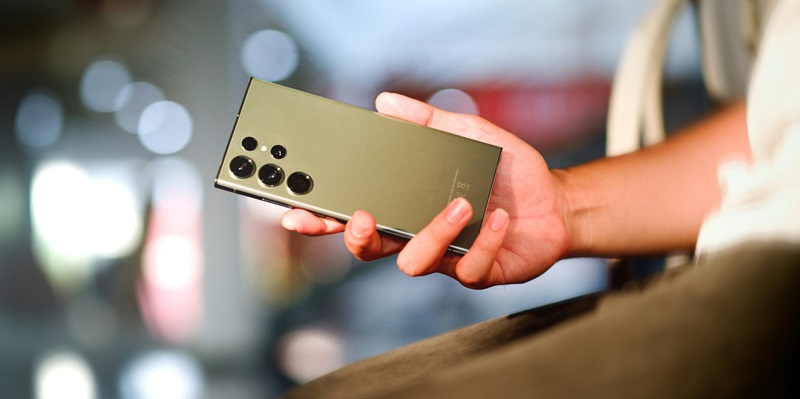
The much-anticipated release of Samsung’s One UI 7 beta for the Galaxy S24 series has started, and users in Germany, Korea, India, Poland, the US, and the UK can now experience the new Android 15 update. Eligible users can join the beta program through the Samsung Members app, although there’s no confirmation whether more regions will be included later. This update promises to bring extensive improvements and enhancements, elevating the overall user experience on Samsung’s flagship devices.
Enhanced Camera and AI Features
One of the standout features in the One UI 7 beta is the redesigned camera app, which now offers a more intuitive user experience with significant improvements to the Pro mode. The update introduces a new zoom control designed to provide smoother transitions, thus enhancing the user’s ability to capture high-quality photos and videos. Additionally, the update integrates several AI-backed functionalities, including advanced writing assistance tools capable of performing spelling and grammar checks, content summarization, and automatic note formatting. These improvements aim to streamline the users’ content creation process, offering seamless and smarter ways to document and share their experiences.
In the domain of communication, the Android 15 beta brings upgraded call features. This includes the introduction of call transcripts, which enhances the user experience by providing a textual record of conversations. These transcripts can be incredibly beneficial for those who need to revisit or reference past calls, thus adding a new layer of convenience and efficiency. The combination of these features not only elevates the overall functionality of the Galaxy S24 series but also aligns with Samsung’s commitment to integrating cutting-edge technology in their devices.
Customization and User Interface Improvements
Customization has always been a key aspect of Samsung’s UI offerings, and the One UI 7 beta is no exception. One of the most notable additions is the new lock screen feature called Now Bar, which showcases real-time activities from various apps such as Music and Stopwatch directly on the lock screen. This provides users with a quick glance at important information without needing to unlock their device, thus enhancing convenience and accessibility. Additionally, the update brings a simplified home screen layout, featuring redesigned widgets that offer a more streamlined and aesthetically pleasing user interface.
This emphasis on customization extends to other areas of the UI as well. The home screen, for instance, now supports larger widgets and a more organized look, making it easier for users to navigate and access their favorite apps. These changes not only improve the visual appeal of the interface but also contribute to a more efficient and user-friendly experience. The updated design language, combined with the enhanced functionalities, underscores Samsung’s ongoing efforts to deliver a premium and cohesive software experience for Galaxy S24 users.
Conclusion: A Step Forward for Samsung
Samsung has begun the highly-anticipated rollout of its One UI 7 beta for the Galaxy S24 series. This beta release is now available to users in Germany, Korea, India, Poland, the US, and the UK, giving them the opportunity to experience the new Android 15 update ahead of the official release. Users who meet the eligibility requirements can participate in the beta program by signing up through the Samsung Members app. As of now, there is no information on whether the beta program will be extended to users in other regions.
The One UI 7 update is expected to bring a host of significant improvements and new features, aimed at enhancing the overall user experience on Samsung’s flagship devices. Users can look forward to better performance, improved battery life, and a more polished and intuitive interface. This update also aims to address several minor bugs and issues, providing a smoother and more reliable experience for users. With these enhancements, Samsung continues to solidify its commitment to delivering top-of-the-line technology and user satisfaction.