

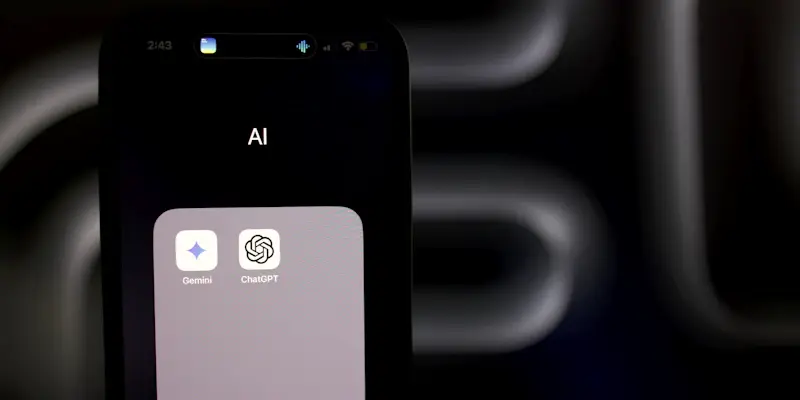
In a surprising move that has stirred discussions across the tech community, Google has officially removed the Gemini AI feature from its flagship iOS app. Previously, Gemini provided users with enhanced experiences through personalized assistance and simplified operations. However, Google has decided to shift this functionality to a dedicated app. This decision raises questions about what it means for the future of Google AI and how it will affect users and the broader tech landscape. The rationale behind this strategic move by Google, its potential benefits and drawbacks for users, and the implications for the future trajectory of Google AI are worth exploring.
Understanding the Change
Gemini was initially added to the core iOS app, aiming to elevate user experiences with its advanced AI capabilities. These included personalized support tailored to individual user needs, making operations more straightforward and convenient. Despite the popularity and effectiveness of Gemini within the main app, Google has now opted to have users install a standalone version of the AI assistant. By doing this, Google seems intent on enhancing the user experience and focusing on the specific attributes that a dedicated Gemini environment can provide. This transition raises numerous questions about the driving forces behind Google’s decision and what users can expect moving forward.
The key motivation behind removing Gemini from the iOS app and positioning it as a standalone entity likely involves performance and user experience optimization. A dedicated application allows for more frequent updates and innovative enhancements without being restricted by the core app’s framework. It also opens up possibilities for deeper personalization and integration with other Google services. These considerations suggest that Google is strategizing to ensure that Gemini can operate at its full potential, free from the limitations often encountered in a multipurpose app environment. Furthermore, this decision reflects the competitive nature of the AI market, where focusing on a single product can provide a significant edge against rivals like Apple’s Siri and Amazon’s Alexa.
Reasons for the Removal
A significant factor in removing Gemini from the iOS app is the enhancement of user experience. By developing a specialized app, Google aims to offer a more focused and potent experience for Gemini users. This separate app can receive tailored updates and performance enhancements that might not be feasible within the core application. Consequently, users will benefit from faster response times and more responsive interactions with the AI assistant. This approach not only improves the existing functionality but also paves the way for new, sophisticated features that would be challenging to implement within the constraints of the main app.
Another critical reason for this shift is performance optimization. A dedicated Gemini app can be fine-tuned for maximum efficiency, ensuring that users experience superior performance compared to the integrated version. This includes quicker load times, less lag, and a generally smoother interaction with the AI. Additionally, operating as a standalone app enables Google to introduce features that are not possible within the broader framework of the main app. Users can expect deeper personalization and more comprehensive integration with other Google services, providing a more cohesive and enriched user experience.
Implications for Users
For current users of the Google iOS app who have grown accustomed to relying on Gemini, this change might seem inconvenient initially. However, there are several potential benefits that could ultimately enhance their interaction with the AI assistant. One of the primary advantages is the introduction of new features tailored specifically for Gemini in its standalone form. This dedicated focus allows Google to innovate and introduce functionalities that can significantly improve the user experience, making the initial inconvenience worthwhile.
Additionally, the performance improvements offered by a standalone Gemini app are likely to be substantial. Users can expect faster performance, more responsive interactions, and a generally smoother experience. Over time, as they adapt to the new app, the intuitive design tailored for Gemini will likely result in a more seamless and enjoyable user interface. By focusing solely on Gemini, Google can continually refine and enhance the app based on user feedback, leading to ongoing improvements and a more satisfying experience for users.
How to Make the Switch to the Standalone App
Transitioning to the standalone Gemini app is designed to be user-friendly and straightforward. The new Gemini app is readily available for download in the App Store. To make the switch, users simply need to search for “Gemini” and download the app onto their iOS devices. Once installed, users must either sign in with their existing Google account or create a new account if they do not already have one. This process ensures that users can seamlessly transition to the new app with minimal disruption.
Upon downloading and signing into the new app, it is advisable for users to spend some time familiarizing themselves with the new features and functionalities. Google has designed the standalone Gemini app to offer a more focused and powerful user experience, incorporating enhancements that were not possible in the integrated version. By taking the time to explore these new capabilities, users can fully appreciate the benefits of the dedicated app and adjust to the new interface. This transition period will also provide valuable feedback to Google, helping to shape future updates and improvements.
What’s Next for Google AI?
Google’s decision to separate Gemini from the core iOS app raises questions about the broader future of Google AI technology. One of the immediate implications is a heightened focus on AI development. By dedicating resources to a standalone app, Google can accelerate advancements in AI functionality, continually improving Gemini’s capabilities. This focused approach is likely to result in more frequent updates and innovative features that enhance user experience.
Additionally, the standalone Gemini app opens up possibilities for greater integration with other Google services. Future updates may enable deeper connections with Google Assistant, Gmail, Google Calendar, and other services, providing users with a more unified and seamless experience. This level of integration will not only enhance the functionality of Gemini but also strengthen the overall ecosystem of Google services, making it more appealing to users. Furthermore, user feedback will play a crucial role in shaping the future of Gemini. As users adapt to the standalone app and provide feedback, Google can quickly implement changes and enhancements based on user needs and preferences.
Conclusion
In a move that has caught the tech community off guard, Google has officially removed the Gemini AI feature from its main iOS app. Previously, Gemini provided users with enhanced experiences by offering personalized assistance and making operations simpler. However, Google has now decided to switch this functionality to a standalone app. This decision raises several questions about the future of Google AI and the impact on users and the larger tech ecosystem. Understanding the reasoning behind this strategic shift by Google is crucial, as it could bring both benefits and drawbacks for users. It also opens up a discussion on how this change will shape Google’s future developments in AI technology. Will this move enable Google to offer more specialized features or create a more fragmented user experience? The tech community is keen to explore the potential outcomes of this shift and what it means for the broader AI landscape. As Google moves forward, it will be interesting to see how users adapt to the new dedicated app and what this means for Google’s commitment to innovation.