

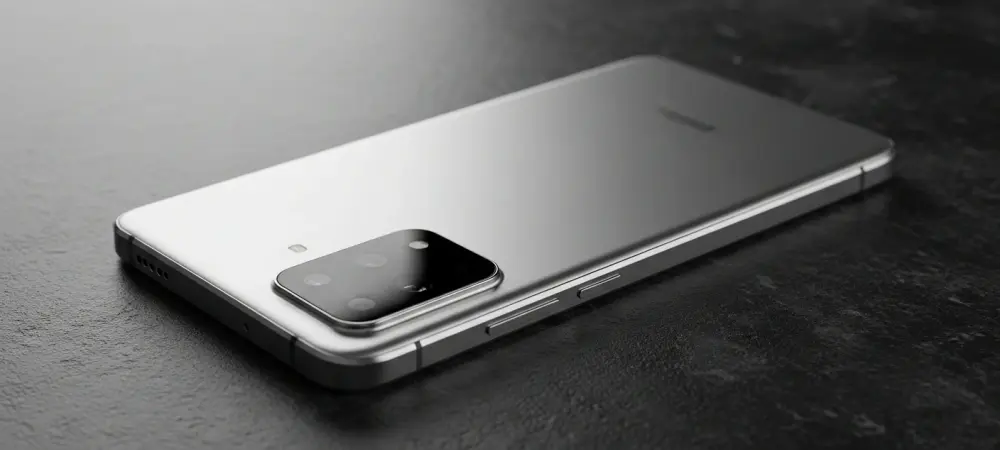
A recently surfaced promotional poster has seemingly pulled back the curtain on one of the year’s most anticipated flagship smartphones, offering a detailed and comprehensive preview of the Samsung Galaxy S26 Ultra well ahead of its official debut. This significant leak provides a wealth of information, suggesting that the upcoming device is poised to introduce substantial upgrades across its design, internal hardware, and aesthetic options. Shared by a reliable industry tipster, the image not only showcases the top-tier Ultra model but also hints at its imminent launch alongside the standard Galaxy S26 and S26+ variants, setting the stage for a major refresh of the company’s premium lineup. The revealed details point toward a device that refines its established formula while embracing new design cues, potentially signaling a new direction for the flagship series and giving enthusiasts a clear glimpse into the technology that will define the high-end market for the coming year.
A Refined Aesthetic and Bold Color Palette
The most striking evolution revealed in the promotional materials is a completely redesigned rear camera system, which moves away from the individual floating lenses of its predecessors. The Galaxy S26 Ultra is depicted with a clean, unified, and pill-shaped camera island that vertically stacks three large lenses, a design choice that evokes the sophisticated look of the Galaxy Z Fold 7. This consolidated module is further complemented by two smaller sensors and an LED flash positioned neatly to the side. Each optical element is encased in a slightly raised metallic ring, adding a touch of premium contrast to the housing. Beyond the camera, the leak confirms continued support for the integrated S Pen stylus, shown in a classic black that starkly contrasts with the phone’s main body. The device itself appears to adopt a flat frame with subtly chamfered edges, a combination that promises a modern feel and a comfortable grip. A new hero color, dubbed Cobalt Violet, takes center stage in the poster, joining a vibrant palette of previously rumored options that include black, white, silver shadow, sky blue, and pink gold, offering a wide range of choices for consumers.
Under the Hood Performance Upgrades
Beyond its updated exterior, the leaked specifications suggest the Galaxy S26 Ultra is engineered for top-tier performance, built around the powerful and highly anticipated Snapdragon 8 Elite Gen 5 chipset. This next-generation processor is expected to deliver significant gains in processing speed, efficiency, and AI capabilities, positioning the device as a formidable powerhouse. To support this advanced silicon, the phone is rumored to house a substantial 5,000mAh battery, a capacity designed for all-day use. More importantly, this is paired with a significant upgrade to 60W wired charging, a welcome improvement that should drastically reduce refueling times. The visual experience is anchored by a rumored 6.9-inch QHD+ Dynamic AMOLED display, which promises vibrant colors, deep blacks, and exceptional clarity, all enhanced by a fluid 120Hz refresh rate. The camera hardware appears to be just as impressive, featuring a versatile quad-lens setup that included a massive 200MP primary sensor for incredible detail, a 50MP ultrawide shooter for expansive shots, a 50MP periscope telephoto lens with 5x optical zoom, and an additional 10MP telephoto lens with 3x zoom, creating one of the most comprehensive camera systems on the market.