

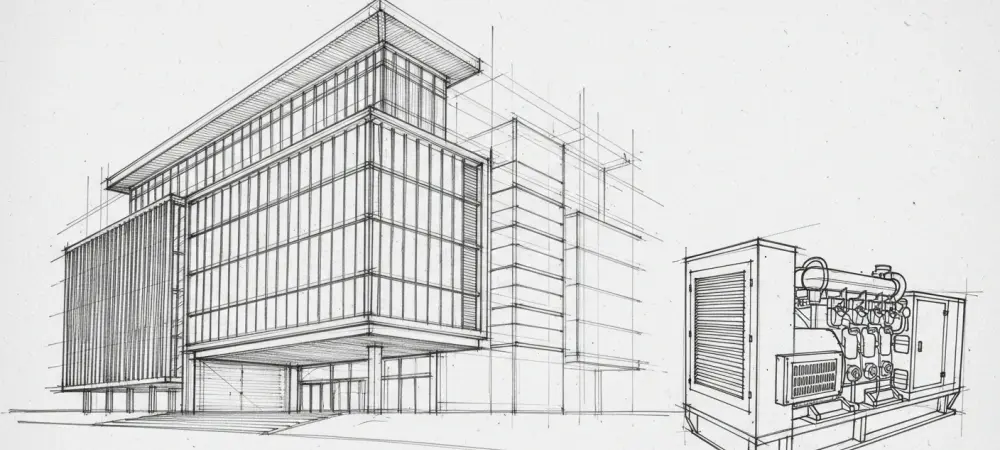
The development of new data centers often represents a significant economic opportunity for local communities, but the path from a preliminary proposal to a fully operational facility is frequently fraught with complex logistical and regulatory challenges. In a move that highlights these potential obstacles, US real estate developer Oppidan Investment Company has formally retracted its early-stage plans to establish a data center in North Mankato, Minnesota. The project, which was still in a purely exploratory phase, never advanced to a formal application, with the company having yet to provide the city with crucial details regarding the facility’s potential footprint, location, or its projected consumption of electricity and water. This quiet withdrawal, occurring several months ago, underscores a critical friction point between the rapid deployment needs of the technology sector and the measured, often lengthy, processes of municipal oversight, particularly concerning the essential infrastructure that powers the digital world. The cancellation serves as a case study in how potential regulatory hurdles can halt a major development before it ever breaks ground.
A Regulatory Snag
The primary catalyst for Oppidan’s decision to abandon the North Mankato project was a significant concern over the anticipated timeline for securing permits for essential backup power generators. For any data center, uninterruptible power is non-negotiable, making diesel generators a critical component for ensuring continuous operation during grid outages. However, the permitting process for these systems can be intricate and time-consuming, subject to environmental regulations and public review. Oppidan’s assessment suggested that navigating this specific regulatory landscape in North Mankato would introduce unacceptable delays, jeopardizing the project’s financial viability and speed to market. By withdrawing its proposal before formally entering the application process, the company made a strategic decision to avoid a protracted and uncertain bureaucratic engagement. This preemptive move illustrates a broader industry trend where developers are increasingly scrutinizing local regulatory environments as a key factor in site selection, prioritizing jurisdictions that offer a clear and efficient path to approval for all critical infrastructure components.
Shifting Focus and Future Prospects
Despite the termination of this specific proposal, the outlook for both Oppidan and North Mankato remains dynamic. City officials have clarified that while a hyperscale data center is not considered a suitable fit for the community, the door remains open for smaller-scale facilities. Attention has now turned to the 679-acre Northport Industrial Park, which is being evaluated for development as a “technology park” aimed at attracting various high-tech industries, potentially including more modestly sized data centers in the future, although no active proposals are currently under consideration. In the meantime, this withdrawal did not signal a retreat from the market for Oppidan. The Minnesota-based firm continues to be a formidable player in the data center sector, actively advancing projects in other Minnesota cities like Eagan and Apple Valley. Moreover, its development pipeline includes numerous other facilities across the United States, with new sites planned for El Paso, Texas; Chicago, Illinois; Reno, Nevada; and Albuquerque, New Mexico, underscoring that the North Mankato decision was a localized calculation rather than a shift in corporate strategy.