

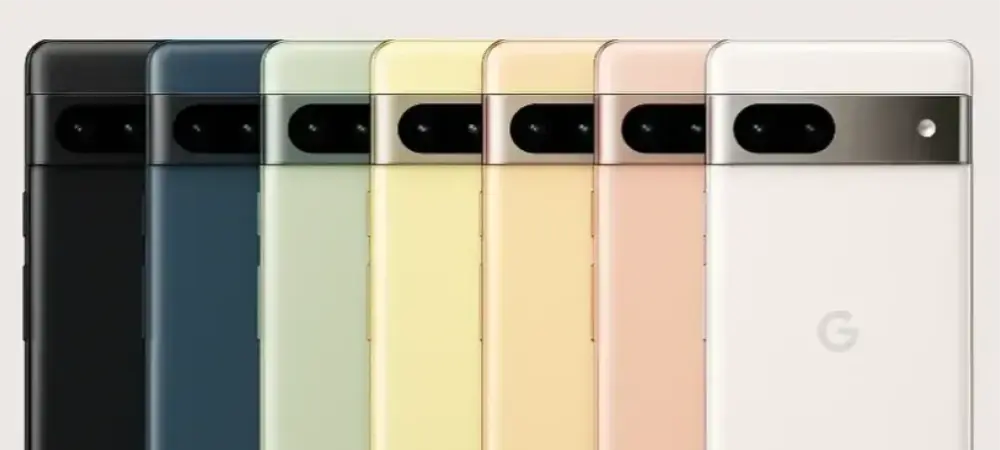
The tech world is buzzing with anticipation of Google’s upcoming Pixel 10 series, an annual highlight for enthusiasts and industry observers alike. Expected to launch during Google’s much-anticipated “Made by Google” event, possibly on August 20, the lineup is set to redefine expectations. With rumors swirling around the offerings, the Pixel 10, Pixel 10 Pro, Pixel 10 Pro XL, and Pixel 10 Pro Fold models promise not just top-notch technological advancements but also a refreshing aesthetic overhaul. One of the most intriguing aspects of this new release is the potential departure from classic color schemes that have been a staple in previous iterations. Leaked information has hinted at a colorful palette that could mark a significant shift in design philosophy, providing a brand-new identity for Google’s flagship mobile devices.
Anticipated Color Variants for Google Pixel 10
The upcoming Pixel 10 series presents an exciting opportunity for Google to surprise consumers with its color choices. Moving away from the familiar Obsidian and Porcelain hues from the Pixel 7 series, the Pixel 10 is likely to be offered in a range of modern shades. Rumored colors for the device include Iris, Limoncello, Midnight, and Ultra Blue. Each hue seems carefully selected to cater to a wide audience, from those preferring understated elegance to fans of more vibrant, expressive tones. Meanwhile, the Pixel 10 Pro and Pixel 10 Pro XL are expected to share some variations, including Light Porcelain and Midnight, while adding more sophisticated options like Smoky Green and Sterling Grey. The introduction of such refined colors suggests a strategic approach, reflecting both current consumer preferences and emerging trends in tech design.
Google Pixel 10’s Strategic Aesthetic Shift
The shift in Google’s color palette extends beyond aesthetics to signify a new design philosophy. The Pixel 10 Pro Fold’s exclusive hues, Smoky Green and Sterling Grey, highlight an emphasis on elegance and modernity. Aligning with an industry trend, this move offers premium devices in distinctive colors catering to discerning consumers. Such strategic choices are likely crafted to boost the device’s marketability, setting the Pixel series apart from competitors by blending functionality with an artistic touch. Google’s departure from traditional color schemes reflects an evolving narrative, where technological excellence pairs with visual allure. Anticipation builds among fans eager to see these devices, as Google’s commitment to innovation extends to design art. In essence, the imminent launch of the Pixel 10 series excites not just for features but its bold approach to color. By unveiling a new palette, Google paves the way for a fusion of style and sophistication that may reshape consumer expectations, reinforcing Pixel’s distinctiveness in mobile tech’s dynamic arena.