
What Can We Expect from AMD’s Upcoming Radeon RX 9000 GPU Launch?

Article Highlights
Off On

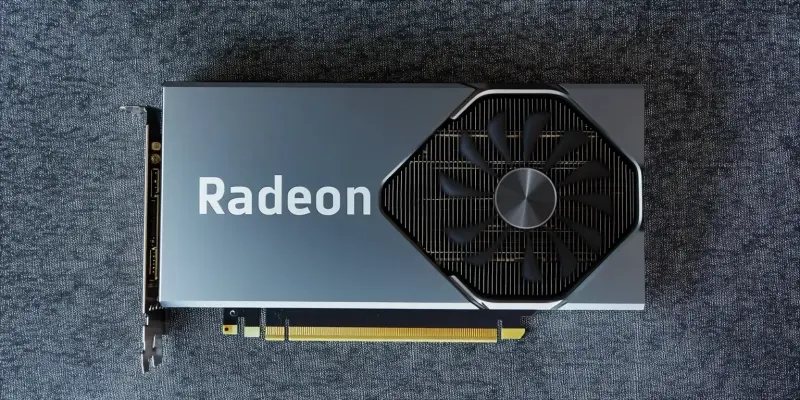
As the launch of AMD’s next-generation Radeon RX 9000 series GPUs powered by the RDNA 4 architecture approaches, anticipation is palpable among the tech community and gaming enthusiasts alike. Set to be unveiled during a live event on AMD’s Gaming YouTube channel on February 28 at 8 AM EST, this launch promises to deliver crucial insights into the new graphics cards, covering everything from specification details to performance capabilities and pricing strategies.

Central to the excitement are the Radeon RX 9070 XT and RX 9070, which are expected to draw the majority of the spotlight. These GPUs primarily feature the Navi 48 die and come equipped with a substantial 16 GB of GDDR6 memory that operates on a 256-bit bus. Additionally, there are rumors hinting at a potential 32 GB edition, which could further elevate these GPUs’ appeal to high-end users and professionals who require hefty memory capacities for demanding applications.

Key Specifications and Expectations

The RX 9070 XT targets the enthusiast market, showcasing impressive specifications that highlight its power. It features 8,096 Shader Processors (SPs), a PCI-E 5.0 interface, and a boost clock of 3.1 GHz. Early performance hints from synthetic benchmarks suggest that the RX 9070 XT could rival NVIDIA’s RTX 4080 Super.

Pricing will play a key role in the RX 9070 series’ success in the competitive GPU market. AMD has hinted at competitive pricing strategies, potentially making it an attractive option for those seeking a cost-effective alternative to NVIDIA’s products.

The upcoming Radeon RX 9000 lineup will include models such as the RX 9060 XT and RX 9060, all using 4nm process technology. Detailed specs for the RX 9060 variants are yet to be revealed, but they are expected to feature Navi 44 dies and 8 GB of GDDR6 memory, making them appealing to mainstream gamers and users who don’t need the high power of the RX 9070 series.

Anticipation is high as we wait for the official unveiling. AMD has clearly invested heavily in the Radeon RX 9000 series to advance GPU performance and innovation. Early reviews, expected as pre-launch review embargoes lift, will offer deeper insights into these cutting-edge graphics cards, guiding consumer expectations and purchase decisions ahead of the official release in early March.

Explore more

Agentic AI Redefines the Software Development Lifecycle

The quiet hum of servers executing tasks once performed by entire teams of developers now underpins the modern software engineering landscape, signaling a fundamental and irreversible shift in how digital products are conceived and built. The emergence of Agentic AI Workflows represents a significant advancement in the software development sector, moving far beyond the simple code-completion tools of the past.

Is AI Creating a Hidden DevOps Crisis?

The sophisticated artificial intelligence that powers real-time recommendations and autonomous systems is placing an unprecedented strain on the very DevOps foundations built to support it, revealing a silent but escalating crisis. As organizations race to deploy increasingly complex AI and machine learning models, they are discovering that the conventional, component-focused practices that served them well in the past are fundamentally

Agentic AI in Banking – Review

The vast majority of a bank’s operational costs are hidden within complex, multi-step workflows that have long resisted traditional automation efforts, a challenge now being met by a new generation of intelligent systems. Agentic and multiagent Artificial Intelligence represent a significant advancement in the banking sector, poised to fundamentally reshape operations. This review will explore the evolution of this technology,

Cooling Job Market Requires a New Talent Strategy

The once-frenzied rhythm of the American job market has slowed to a quiet, steady hum, signaling a profound and lasting transformation that demands an entirely new approach to organizational leadership and talent management. For human resources leaders accustomed to the high-stakes war for talent, the current landscape presents a different, more subtle challenge. The cooldown is not a momentary pause

What If You Hired for Potential, Not Pedigree?

In an increasingly dynamic business landscape, the long-standing practice of using traditional credentials like university degrees and linear career histories as primary hiring benchmarks is proving to be a fundamentally flawed predictor of job success. A more powerful and predictive model is rapidly gaining momentum, one that shifts the focus from a candidate’s past pedigree to their present capabilities and