

With the mobile world buzzing over a fresh leak from a Finnish retailer, we’re getting our first concrete look at the upcoming Samsung Galaxy S26 series. The details, from storage options to a potential launch timeline, paint a vivid picture of Samsung’s next-generation flagships. To help us decipher these clues, we’re joined by Dominic Jainy, a leading analyst in mobile technology. We’ll explore the implications of a long-awaited storage upgrade for the base model, dissect Samsung’s complex color strategy, and question the unique positioning of the Enterprise Edition models within the new lineup.
The base Galaxy S26 is reportedly doubling its starting storage to 256GB, a long-awaited upgrade. What market pressures are driving this change now, and how might it influence both the final retail price and the everyday user experience? Please detail the practical benefits for consumers.
This is a change that consumers have been feeling the need for, and frankly, it was long overdue. The pressure is twofold. First, competitors in the premium space have been making 256GB the standard, and for Samsung to continue with 128GB on their flagship line felt increasingly outdated. Second, the way we use our phones has fundamentally changed. With 4K and even 8K video recording, high-resolution photos, and graphically intense games becoming the norm, a 128GB phone fills up alarmingly fast. For the everyday user, this upgrade is a massive quality-of-life improvement. It means less time spent worrying about deleting precious photos or offloading files, and more freedom to simply use the device as intended. It’s the difference between constantly managing your digital life and just living it.
Initial information points to four core colors for the S26 Ultra, while other leaks suggest extra options like Silver Shadow and Pink Gold. Can you explain Samsung’s typical strategy for regional and online-exclusive colors? Please share some specific examples from past Galaxy launches.
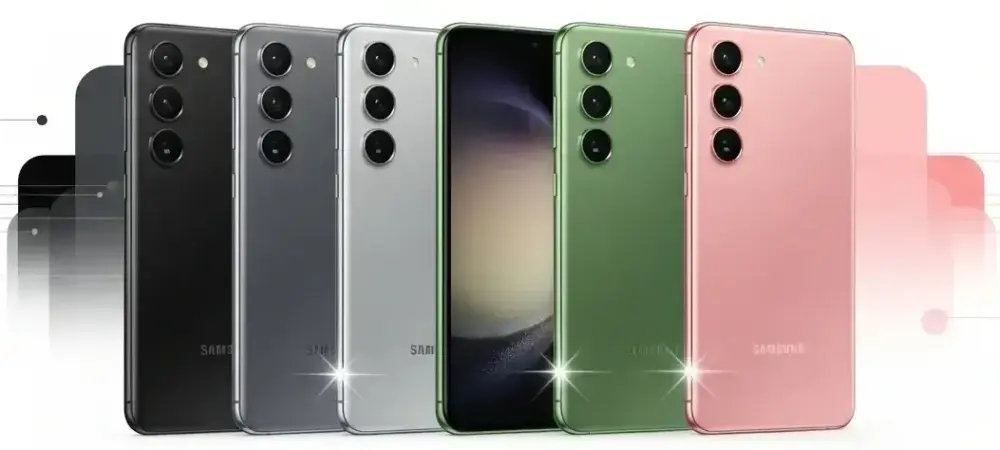
Samsung has mastered the art of the tiered color launch, and this leak fits their playbook perfectly. They establish a set of core colors—in this case, Black, White, Sky Blue, and Cobalt Violet—that will see a wide global release through carriers and retailers. This is for mass-market appeal. But the real excitement often comes from the online exclusives, colors you can only get by ordering directly from Samsung.com. We saw this with the S25 Ultra, which had stunning options like Jade Green and Titanium Pink Gold reserved for direct buyers. This strategy serves multiple purposes: it drives traffic to their own sales channels, creates a sense of exclusivity, and allows them to experiment with bolder shades without committing to massive production runs. It’s very likely that the Silver Shadow and Pink Gold colors will be this year’s online-only gems.
Enterprise Editions are noted for the Galaxy S26 and S26 Ultra, but not the S26+. What specifically distinguishes these business-focused models from the standard consumer versions, and what might this targeted release strategy tell us about Samsung’s corporate sales focus for this cycle?
Enterprise Edition devices are built from the ground up for the corporate world. While they look identical on the outside, the key differences are in software, security, and support. These models come with an extended commitment to security updates, often guaranteeing an extra year or two beyond the consumer versions, which is critical for protecting sensitive company data. They also include tools that make it easier for a company’s IT department to configure, deploy, and manage a fleet of devices. The decision to offer these for the base S26 and the top-tier S26 Ultra, while skipping the S26+, suggests a very deliberate sales strategy. Samsung is likely targeting bulk deployments for general employees with the more cost-effective S26, and a premium option for executives with the feature-packed S26 Ultra, effectively bracketing the market and leaving the S26+ for the prosumer.
The Galaxy S26 and S26+ appear to share an identical four-color palette. How does Samsung differentiate the “Plus” model to justify its position between the base S26 and the feature-packed Ultra? Could you walk us through who the ideal customer is for this particular model?
The Galaxy S26+ has always occupied a fascinating middle ground, and its differentiation goes beyond color. The ideal customer for the “Plus” model is someone who wants more than the base experience but doesn’t need every single bell and whistle of the Ultra. Typically, the primary upgrades are a larger screen and a bigger battery, which are significant draws for power users and media lovers. It’s for the person who spends hours watching videos or gaming on their commute and wants that extra screen real estate and battery endurance without paying the full premium for the Ultra’s advanced camera system. By keeping the color palette the same as the base model, Samsung simplifies its supply chain while focusing the value proposition of the S26+ squarely on size and battery life.
A potential timeline suggests a February 25 Unpacked event, followed by a pre-sale in early March. Based on Samsung’s history, how does this schedule align with their typical global rollout? Explain the key logistical steps and marketing efforts that occur between the announcement and store availability.
This timeline feels perfectly in sync with Samsung’s traditional early-year launch cadence. An Unpacked event on February 25th provides the big, splashy reveal. Immediately following the presentation, the marketing machine goes into overdrive. You’ll see a flood of hands-on videos from tech influencers, a massive digital ad campaign, and carrier partners announcing their pre-order deals. The period between the announcement and the pre-sale—in this case, from February 25th to March 5th—is a critical window for building hype. Logistically, this is when final shipments are moving from factories to regional distribution centers. The pre-sale from March 5th to the 10th allows them to gauge demand and gives early adopters a chance to secure their device, often with bundled promotions. Finally, the open sales date of March 11th marks the moment the phones are physically on store shelves and the initial wave of pre-orders starts arriving at customers’ doorsteps.
What is your forecast for the Samsung Galaxy S26 series’ market performance?
I’m quite optimistic about the S26 series, particularly because of the strategic upgrade to the base model. Making 256GB the starting storage is a powerful statement of value that addresses a major consumer pain point. It shows Samsung is listening. While the Ultra will continue to be the hero product for enthusiasts who want the absolute best, the improved base S26 has the potential to drive significant volume and attract users who may have been holding onto older devices. If they can maintain competitive pricing, this lineup is well-positioned to be one of Samsung’s most successful launches in recent years by blending cutting-edge innovation on the high end with truly meaningful practical improvements at the entry point of the flagship line.