

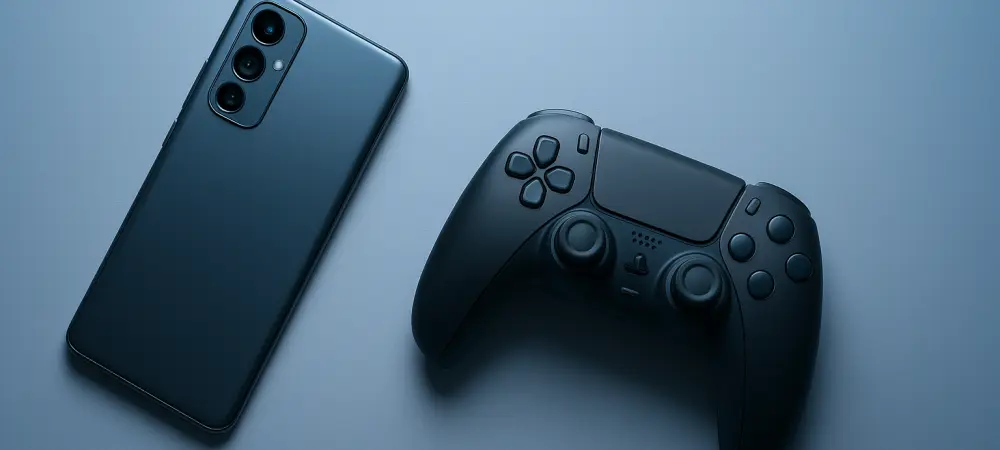
The unprecedented convergence of cutting-edge hardware and aggressive e-commerce pricing has fundamentally rewritten the value proposition for Indian smartphone buyers navigating the current premium-midrange market. This specific price bracket, once a territory of compromise, has transformed into a high-stakes arena where the latest engineering feats are made accessible to a broader audience. Market analysts suggest that the current year represents a turning point where the distinction between a flagship and a mid-tier device is increasingly determined by marketing labels rather than functional capabilities. As consumers demand more for less, the industry has responded with a sophisticated mix of technical innovation and financial maneuvering.
Shifting Paradigms in the Indian Premium-Midrange Market
Industry observers note that the sub-Rs. 60,000 segment has become the focal point of the Indian mobile economy, acting as a bridge between high-volume budget devices and the low-volume luxury tier. Manufacturers are no longer viewing this price point as a dumping ground for older technology; instead, it is treated as a launchpad for specialized hardware that challenges the dominance of established premium brands. This shift is largely driven by a tech-savvy demographic that prioritizes performance benchmarks and display quality over brand legacy alone.
Furthermore, the physical design language of these devices has seen a dramatic upgrade, with features like titanium-alloy frames and quad-curved OLED panels becoming standard expectations. Experts in industrial design point toward a trend of “premium trickle-down,” where the aesthetic refinements of the most expensive models are integrated into mid-range devices within months rather than years. This rapid evolution ensures that the consumer experience remains modern and prestigious, regardless of whether the buyer spends Rs. 55,000 or Rs. 100,000.
The Rise of the Specialized Flagship Killer
The current market is characterized by a move away from generic, all-purpose handsets in favor of devices that excel in specific categories. Instead of trying to satisfy every possible user, brands are now carving out niches—such as mobile videography, competitive gaming, or extreme battery endurance—to attract dedicated power users. This strategy allows companies to allocate their bill-of-materials budget more effectively, placing the best possible components where they matter most to the target audience.
Performance Sovereignty and the Gaming Revolution
In the realm of raw processing power, the iQOO 15R has set a new benchmark for what a performance-focused device should offer under the Rs. 60,000 threshold. Initially positioned at a much higher price, its recent adjustment to Rs. 53,999 reflects a strategic move to capture the massive mobile gaming community in India. Hardware reviewers have frequently highlighted the device’s thermal management systems, which allow for sustained high-frame-rate gaming without the throttling issues common in thinner, more aesthetic-focused handsets.
Moreover, the integration of dedicated display chips and ultra-responsive touch sampling rates has made professional-grade gaming peripherals almost redundant for the casual user. While some critics argue that these performance gains come at the expense of camera versatility, the market data suggests that a significant portion of buyers in this segment values silicon efficiency above all else. This focus on “performance sovereignty” ensures that even as software becomes more demanding through 2026 and 2027, these devices remain relevant and capable of handling complex multitasking.
The Democratization of Professional Mobile Photography
The gap in imaging quality has narrowed significantly as manufacturers integrate large-format sensors and computational photography suites into their sub-Rs. 60,000 offerings. A prime example is the Oppo Reno 15 Pro Mini 5G, which has garnered attention for its focus on portrait ergonomics and skin-tone accuracy. By utilizing AI-driven processing that mimics the bokeh effect of professional DSLR lenses, such devices provide a photography experience that was previously unattainable at this price. Photography enthusiasts now find that the software stack is often as influential as the physical lens in determining the final image quality.
In addition to portraiture, low-light performance has become a major battleground for brands like OnePlus and Xiaomi. The democratization of high-end optics means that consumers are no longer forced to pay a “luxury tax” to capture professional-quality memories, as the hardware in this segment now rivals that of the most expensive flagships in everyday shooting scenarios.
Erosion of MSRP and the Dominance of Dynamic Pricing
A notable trend observed by retail analysts is the decreasing relevance of the Manufacturer’s Suggested Retail Price as a static figure. The industry has transitioned toward a model of event-driven pricing, where the actual cost of a device fluctuates based on e-commerce cycles and festive windows. The Redmi Note 17 Pro Max 5G exemplifies this trend, with its price dropping from a high launch figure to a more competitive Rs. 49,998 during major sales. This approach creates a “wait-and-watch” culture among consumers who anticipate significant reductions shortly after a product’s debut.
This dynamic pricing environment challenges the traditional concept of a device’s value, turning the purchase process into a strategic exercise in timing. While this volatility can be frustrating for early adopters, it provides a massive advantage to the patient shopper who can secure top-tier tech at a fraction of the cost. However, the rapid depreciation associated with these frequent price cuts remains a point of concern for those who look at their smartphone as a resale asset rather than a long-term tool.
Financial Ecosystems as a Barrier to Entry Lowering
The accessibility of premium smartphones in 2026 is heavily supported by a complex web of financial incentives that mask the true cost of the hardware. Banking partnerships with institutions like SBI and ICICI have become essential, offering instant discounts that often bridge the final gap between a “mid-range” and a “premium” budget. When combined with fintech-led cashback programs and “Buy Now, Pay Later” schemes, the out-of-pocket expenditure for a Rs. 60,000 phone often feels comparable to that of a much cheaper device.
Additionally, aggressive exchange programs have turned old hardware into a viable form of currency. Consumers are increasingly encouraged to treat their current devices as trade-in equity, significantly reducing the financial burden of upgrading. This trend toward “asset liquidation” has shortened the upgrade cycle for many users, as the high trade-in values offered during festive seasons make the transition to new technology feel like a minor incremental cost rather than a major investment.
Strategic Buying Guide for the Festive Season
To navigate this hyper-competitive market successfully, seasoned shoppers emphasize the importance of “incentive stacking.” The most effective strategy involves combining a base sale discount with a specific credit card offer and a high-value exchange bonus to maximize savings. For instance, the Redmi Turbo 5, already discounted to Rs. 45,999, becomes an even more compelling purchase when additional bank cashbacks are applied. Monitoring price trackers and setting alerts for specific stock replenishments during the Great Indian Festival can often lead to savings that exceed 30% of the original launch price.
Beyond the immediate price tag, buyers should evaluate the long-term utility of the device by checking the manufacturer’s commitment to software updates and security patches. Prioritizing brands that offer at least four years of major OS updates ensures that the device remains secure and functional through 2029 and beyond, protecting the initial investment and maintaining a higher trade-in value for the next cycle.
Conclusion: The Future of Premium Affordability
The 2026 smartphone landscape demonstrated that the threshold for premium technology successfully moved toward the consumer. Market dynamics favored those who understood the rhythm of e-commerce sales and the power of financial stacking. Industry leaders observed that the focus shifted from sheer brand prestige to specialized utility, as devices like the iQOO 15R and Redmi Note 17 Pro Max redefined what was possible within a strict budget. Buyers who prioritized software longevity and trade-in potential ultimately secured the highest value for their expenditure. This transition period proved that a clear understanding of personal technological priorities was the most effective tool for navigating a market defined by rapid innovation and aggressive pricing strategies.