

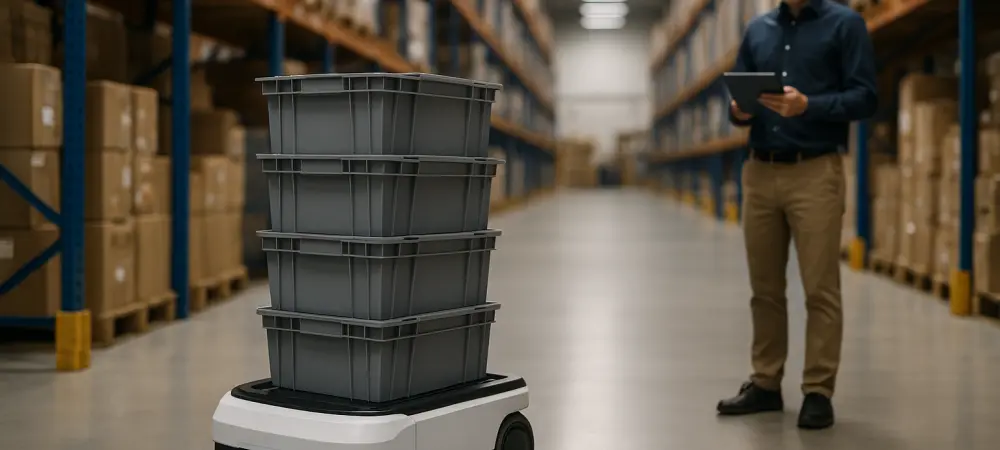
The relentless acceleration of global supply chains has transformed the warehouse picking process from a simple logistical task into a complex exercise in data synchronization and operational precision. Warehouse picking optimization is no longer a luxury for large-scale distributors but a fundamental requirement for any organization aiming to maintain relevance in a competitive market. This technology represents a convergence of sophisticated software algorithms, robust hardware integration, and streamlined human workflows, all designed to eliminate the friction that typically plagues manual fulfillment centers.
Traditional picking methods, often characterized by paper lists and reliance on the memory of experienced personnel, are increasingly viewed as a liability. These outdated systems introduce vulnerabilities, such as mispicked items, incorrect quantities, and inefficient travel routes, which cascade into higher operational costs and diminished customer loyalty. The shift toward digital optimization addresses these challenges by creating a transparent, real-time environment where every movement is guided by data. This review examines how modern platforms, specifically those built on the foundation of enterprise resource planning, redefine what it means to move inventory with speed and accuracy.
Introduction to Warehouse Picking Technology
Warehouse picking technology serves as the bridge between virtual inventory records and physical fulfillment actions. By digitizing the workflow, management gains total visibility into the status of every order, the location of every stock-keeping unit, and the productivity of every employee. This transparency is the cornerstone of modern logistics, allowing for a level of agility that was previously impossible.
The integration of software like Microsoft Dynamics 365 Business Central represents a shift from reactive to proactive warehouse management. Instead of workers discovering that an item is missing or in the wrong location at the moment of picking, the system uses continuous data validation to ensure that the physical reality of the warehouse matches the digital records. This synchronization is achieved through a structured hierarchy of warehouse documents and processes that govern everything from the initial receipt of goods to the final packaging. Consequently, the technology creates a stable environment where efficiency is a byproduct of the system’s design rather than just the individual effort of the workers.
Moreover, the adoption of picking optimization technology facilitates a move away from tribal knowledge. Optimization technology decentralizes this information, embedding the intelligence of the warehouse layout and the picking logic directly into the software. New employees can become productive in a fraction of the time, as the system provides clear, step-by-step instructions that guide them through the most efficient route and verify their actions at every turn.
Core Components of Picking Optimization Systems
Integrated ERP and Warehouse Management Systems
The efficacy of any picking optimization strategy is fundamentally tied to the depth of its integration with the broader enterprise resource planning environment. When the warehouse management system is an inherent part of the ERP, the flow of information is instantaneous, ensuring that the warehouse is always working with the most current information. A sales order placed by a customer immediately triggers a sequence of events: inventory is reserved, warehouse shipments are created, and picking instructions are generated based on real-time availability.
Within this framework, the concept of the “Warehouse Pick” document acts as a specialized instruction set tailored to the needs of the floor staff. These documents are optimized based on bin rankings and location priorities defined within the ERP, ensuring that every employee follows a standardized, high-performance methodology regardless of their personal experience level. For instance, the system might prioritize picking from “pickable” bins over bulk storage areas, or it might sequence the pick to ensure that heavier items are selected first to prevent damage during packing.
Advanced Inventory Tracking and Verification
One of the most transformative features of modern picking systems is the move toward granular verification through barcode technology and serial tracking. Barcode scanning eliminates human error by requiring a digital match before the pick can be confirmed, acting as a critical quality control gate at the point of action. If the wrong item is scanned, the system alerts the worker immediately, allowing for a correction on the spot rather than after the item has reached the customer.
Beyond simple item identification, advanced systems allow for the tracking of lot numbers and serial numbers, which is vital for industries with strict regulatory or warranty requirements. This capability ensures that the specific unit picked is the one recorded in the system, creating a permanent audit trail. For example, in the pharmaceutical or food industries, the ability to pick based on expiration dates through First-Expiry, First-Out (FEFO) logic is facilitated by this granular tracking.
Emerging Trends and Technological Innovations
The landscape of warehouse optimization is currently defined by a move toward hyper-mobility and the integration of smart algorithms. Mobile warehouse applications allow for real-time interaction with the ERP, eliminating the “dead time” between a physical action and a system update. This provides managers with a live view of warehouse throughput and potential bottlenecks as they emerge.
Furthermore, the industry is seeing the rise of directed picking algorithms that function similarly to GPS for a warehouse. These algorithms calculate the optimal path through the facility, taking into account the dimensions of the warehouse and current congestion to minimize travel time—which historically accounts for a vast majority of warehouse labor. Some advanced iterations also incorporate voice-picking, where employees receive instructions via headset and confirm their actions through voice commands, allowing them to keep their hands and eyes on the task at hand.
Another significant innovation is the integration of augmented reality (AR) and heads-up displays. While still in the early stages of widespread adoption in the 2026 to 2028 window, AR overlays can project picking instructions and pathfinding arrows directly onto a worker’s field of vision. Additionally, the data collected by these systems is being fed into predictive analytics engines that can forecast “picking hotspots” during peak seasons, allowing managers to reorganize the warehouse layout in advance.
Real-World Applications and Sector Impact
In the e-commerce and retail sectors, the impact of picking optimization is most visible in the ability to handle massive SKU counts with high accuracy. Optimization technology allows retail warehouses to manage complex “zone picking” or “wave picking” strategies, where multiple orders are picked simultaneously to maximize efficiency. This is particularly crucial for businesses dealing with apparel or consumer goods, where similar products can easily be confused without digital verification.
The manufacturing sector utilizes picking optimization to ensure that production lines are never stalled by missing components. By utilizing structured picks and bin management, manufacturers can ensure that the right parts arrive at the right station at exactly the right time, minimizing work-in-progress inventory. This Just-In-Time (JIT) approach reduces the risk of costly production delays caused by inventory discrepancies.
For the food and beverage industry, the primary benefit of optimized picking lies in the management of perishables and traceability. The ability to automate the selection of products based on their shelf life ensures that older stock is moved before it expires, directly impacting the bottom line by reducing spoilage. Moreover, in the event of a product recall, the granular data provided by serial and lot tracking allows companies to identify exactly which customers received the affected items.
Challenges and Implementation Obstacles
Despite the clear advantages, the journey toward a fully optimized warehouse is often hindered by the quality of foundational data. Organizations must dedicate significant resources to cleansing their master data and ensuring that every item in the catalog is accurately represented before the software can effectively manage the picking process. This “garbage in, garbage out” scenario is one of the most common reasons for implementation failure.
There is also a human element to consider, as the introduction of rigid digital workflows can meet with resistance from staff accustomed to more flexible, manual methods. Employees need to understand that the technology is designed to make their jobs easier—by reducing physical fatigue and the stress of making mistakes—rather than simply to monitor their every move. Without employee buy-in, even the most sophisticated picking system will struggle to achieve its potential throughput.
Finally, the initial investment in hardware and the complexity of warehouse reconfiguration can be daunting for smaller enterprises. While the long-term return on investment is often high due to reduced error rates and labor costs, the upfront “barrier to entry” remains a significant hurdle. However, as cloud-based ERP solutions and standardized hardware become more accessible, even mid-sized businesses are beginning to see the necessity of making these investments to stay competitive.
Future Outlook and Development Trajectory
Looking forward, the trajectory of picking optimization is clearly aimed toward deeper automation and the blurring of lines between human and robotic labor. The next stage of development will likely involve the widespread adoption of autonomous mobile robots (AMRs) that assist human pickers by handling the heavy lifting and transport of goods between the aisles and the shipping dock. This synergy addresses the labor shortages that have historically plagued the logistics sector.
Furthermore, the integration of artificial intelligence will move from basic path optimization to more holistic warehouse “orchestration.” Future systems will be able to analyze historical data to automatically suggest changes to bin placements through a process known as dynamic slotting. This self-optimizing warehouse concept will reduce the need for manual oversight and ensure that the facility is always operating at peak efficiency.
The long-term impact of these advancements will be a significant reduction in the environmental footprint of the global supply chain. By reducing picking errors, companies can drastically cut down on the carbon emissions associated with returns and redeliveries. As the industry moves toward 2030, the definition of a successful warehouse will be one that balances high-velocity fulfillment with a commitment to sustainable, data-driven operations.
Summary and Final Assessment
The transition toward automated picking frameworks and integrated ERP ecosystems proved to be a decisive moment for the logistics industry. By centralizing warehouse intelligence within platforms like Business Central, firms minimized their reliance on individual expertise and replaced it with a standardized, verifiable workflow. This shift not only reduced the direct costs associated with picking errors and returns but also enhanced the overall reliability of the supply chain. The evaluation of current warehouse performance suggested that the most effective next step for any enterprise is a comprehensive audit of their master data and bin structures. Since the technology relies on the integrity of the underlying records, maintaining high data standards became an essential prerequisite for any further investment in automation or robotics. Furthermore, the successful rollout of mobile scanning and directed picking required a balanced approach that combined technical configuration with intensive staff training.
Ultimately, the advancements in picking optimization laid the groundwork for a more autonomous future in warehousing. The actionable path forward for logistics leaders involved an iterative implementation strategy—starting with basic digital verification and gradually incorporating more advanced features like AI-driven slotting and robotic assistance. The legacy of this technological shift was a new standard for operational excellence that continues to drive the evolution of global commerce.