

The fundamental promise of UEFI Secure Boot relies on a chain of trust that ensures only verified, cryptographically signed code executes during the critical early stages of a computer’s power-on sequence. When this chain is compromised, the entire security foundation of a modern computing environment is placed at significant risk. Recent discoveries have highlighted vulnerabilities within several versions of the “shim” bootloader, which is a small software component signed by Microsoft to facilitate the loading of secondary bootloaders like GRUB on Linux systems. These vulnerabilities, particularly those categorized under memory corruption or logic flaws, allow an attacker to bypass the signature verification process entirely. By exploiting these weaknesses, a malicious actor can gain the ability to execute unauthorized code with high privileges before the operating system kernel has even loaded. This creates a scenario where a system can be infected with a persistent bootkit that remains invisible to standard security software. As of early 2026, these flaws represent a persistent threat to the integrity of both corporate and consumer hardware, necessitating an immediate and thorough reevaluation of how signed components are managed across the industry.
The Technical Impact: Why Signed Shims Pose a Risk
The core of the issue lies in the fact that the shim is designed to act as a bridge between the Microsoft Third-Party UEFI Certificate Authority and various Linux distributions. Because Microsoft signs these shims to ensure wide hardware compatibility, any vulnerability within the shim code becomes a universal bypass for the hardware-level protections. If an attacker can trigger a buffer overflow within the shim, they can redirect the execution flow to a custom payload that ignores the security certificates intended to gate the boot process. This architectural dependency means that even if a Linux kernel is secure, the mechanism used to launch it might be flawed. Furthermore, the remediation process is notoriously difficult because it requires updating the UEFI revocation list, or DBX, which is stored in a limited amount of non-volatile memory on the motherboard. If the revocation list becomes too large, it can cause the firmware to fail, leading to systems that no longer boot. Consequently, many manufacturers are slow to issue the necessary updates, leaving millions of devices exposed to exploits that have been publicly documented and analyzed since the start of 2026.
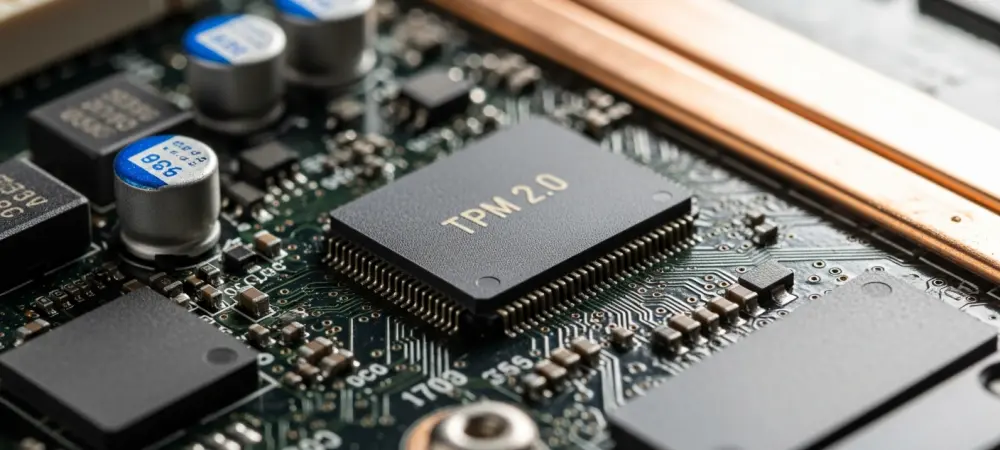
Security administrators addressed these systemic risks by implementing a multi-layered defense strategy that went beyond the mere application of firmware patches. They moved toward adopting Hardware-enforced Stack Protection and more advanced versions of Measured Boot, which allowed for the remote attestation of a system’s state before it was permitted to connect to internal networks. By 2027, organizations prioritized the deployment of Trusted Platform Module (TPM) 2.0 features to ensure that any tampering with the bootloader would be detected during the boot sequence, regardless of whether the shim was signed by a trusted authority. Experts also recommended a shift toward more modern, memory-safe implementations of boot-level software to eliminate the classes of vulnerabilities that plagued earlier shim versions. These proactive steps ensured that the root of trust remained intact even in the face of evolving exploit techniques. By focusing on hardware-backed integrity checks and reducing the size of the trusted codebase, the industry significantly improved the resilience of the boot process against persistent threats.